Choosing the best Full Port Ball Valve manufacturer in 2026 requires more than comparing catalog prices. Buyers must examine bore accuracy, pressure ratings, sealing materials, testing records, and long-term support. A valve may look identical on a specification sheet, yet perform differently after years of cycling, vibration, and temperature changes.
Michael R. Haines, a valve engineering consultant, puts the decision plainly: “A reliable valve protects flow, maintenance budgets, and operational confidence at the same time.” That principle guides this review of leading Full Port Ball Valve manufacturers. It also reminds us that “best” depends on service conditions.
A true full-port design should reduce unnecessary flow restriction. Its opening should closely match the connected pipeline diameter. Look for documented hydrostatic testing, torque data, material certificates, and traceable inspection procedures. API 6D, API 607, API 6FA, and ISO 5211 references may also matter, depending on the application.
The shortlist considers manufacturers serving oil and gas, chemical processing, water treatment, power, and industrial automation. It compares stainless steel, carbon steel, and alloy construction. It also examines soft seats, metal seats, fire-safe options, and sour-service suitability.
Details matter.
However, this comparison is not perfect. Manufacturer data can vary by model, region, and project configuration. Delivery promises may change with raw-material availability. A lower purchase price can also hide higher maintenance costs.
The strongest suppliers combine engineering depth, production consistency, responsive documentation, and practical after-sales support. This guide helps purchasers identify those differences before selecting a Full Port Ball Valve for critical service.
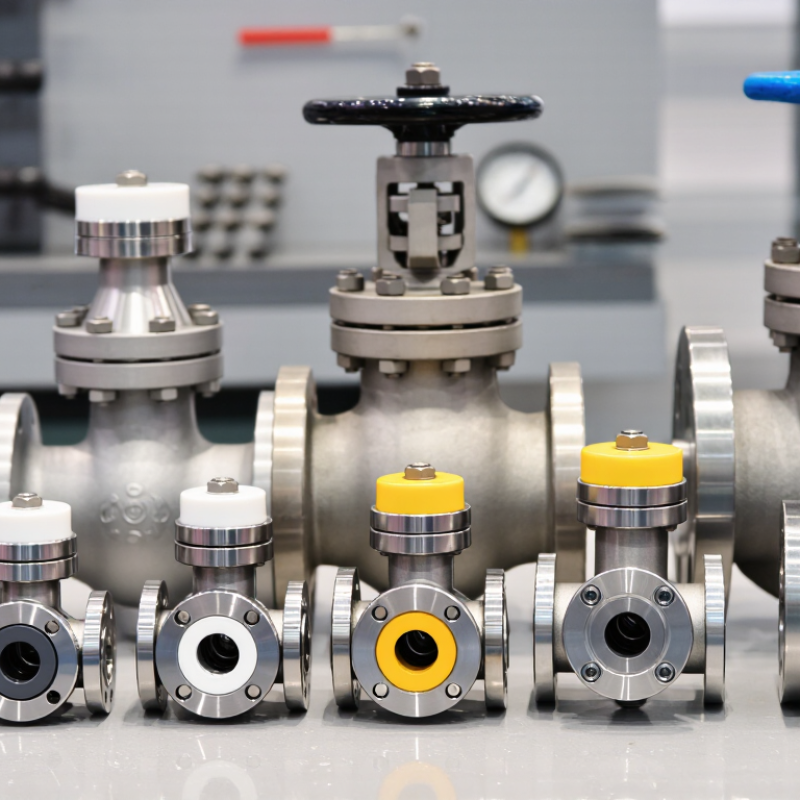
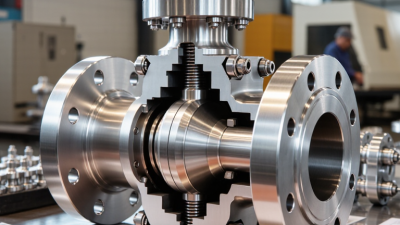
A full port ball valve has a ball with a bore matching the connected pipe’s internal diameter. When fully open, the bore creates a nearly straight flow path. This design reduces turbulence, pressure loss, and unwanted product retention. It can also help cleaning tools pass through some pipeline systems. However, full port does not mean zero resistance. Pipe size, fluid properties, and valve surface quality still matter.
Turning the handle 90 degrees rotates the ball around its stem. In the open position, the bore aligns with the pipeline. In the closed position, the bore turns across the flow, while the seats press against the ball and stop the medium. The stem seal limits leakage around the rotating shaft. Keep it simple. Do not use this valve for constant throttling unless the design specifically allows it. Frequent partial opening can damage seats through velocity and erosion.
When assessing full port ball valve manufacturers, buyers should examine pressure-test records, material certificates, dimensional accuracy, and traceability. A reliable manufacturer should clearly state pressure ratings, temperature limits, connection standards, and sealing materials. Practical experience matters too. A valve may look correct but fail when its seat material does not suit the fluid. This is an easy mistake. I would also question vague claims about “zero pressure drop,” because real piping includes fittings, welds, and installation errors.
A full port ball valve uses a ball opening that closely matches the connected pipe bore, helping minimize flow restriction. The chart below shows the theoretical flow-area index based on nominal bore size, with DN50 set as the reference value of 100. Actual flow capacity also depends on valve design, pressure, fluid properties, and installation conditions.
Flow-area index calculation: (nominal bore diameter² ÷ DN50²) × 100.
In 2026, full port ball valve quality means more than a wide bore. The relevant standards control design, materials, pressure testing, and traceability. ASME B16.34 defines requirements for pressure-temperature ratings, wall thickness, and valve construction. API 6D is widely referenced for pipeline valves where isolation reliability matters. These standards provide a technical baseline, not a marketing promise.
Testing deserves close attention. ISO 5208 classifies leakage rates during pressure tests, while API 598 details inspection and testing practices for many industrial valves. A full port design should maintain a nearly unrestricted flow path after machining and assembly. Inspectors can verify bore diameter with calibrated gauges and review hydrostatic test records.
Small details matter. Ball sphericity, stem alignment, sealing-surface finish, and cavity pressure relief can affect field performance. Yet certificates are not enough. Paperwork can look complete while dimensional records remain missing.
Material standards must match the service. ASTM specifications may identify suitable stainless steel, carbon steel, or alloy grades. Purchasers should confirm chemical composition and heat numbers. EN 10204 documents can support traceability when linked correctly to each valve. ISO 15848-1 may apply to fugitive-emission performance, depending on the installation. Buyers should compare torque data, fire-safe testing under API 607 or API 6FA, coating procedures, and cycle tests. Standards evolve, and editions differ. A careful review records the exact edition, test medium, pressure, temperature, and acceptance criteria before approval.
How to Evaluate Full Port Ball Valve Manufacturers
A full-port ball valve needs more than a catalogue check. In field reviews, compare bore continuity, wall thickness, seat material, stem design, and cleaning access. The bore should closely match the connected pipe. Otherwise, pressure loss and pigging problems may appear. Request dimensional drawings, pressure-temperature charts, and serialised test records. Show the evidence.
Market context helps, but it can mislead. Fortune Business Insights valued the global industrial valves market at about USD 76 billion in 2023, with growth expected through 2032. MarketsandMarkets estimated the market at roughly USD 79 billion in 2024. These figures cover many valve types, not only full-port ball valves. Use them as scale indicators, not quality proof. A manufacturer deserves deeper review when its claims lack product-level data.
Check API 6D or applicable ISO requirements, material traceability, hydrostatic testing, fugitive-emission testing, and documented torque results. Request sample certificates and inspect the test area when possible. Examine machining marks inside the bore; rough surfaces can trap debris. Ask how rejected castings are controlled. Small detail. Also assess lead-time history, spare-seat availability, warranty terms, and technical response time. My checklist is not perfect. Buyers often score price heavily while rating service vaguely. That decision can look efficient until a valve sticks during commissioning.
Use this evidence-based checklist to compare full port ball valve manufacturers without relying on brand names. A suitable manufacturer should demonstrate compliance with the required standards, pressure class, materials, testing procedures, traceability, and service requirements.
| Evaluation Dimension | What to Check | Practical Benchmark for Selection | Required Evidence | Suggested Weight |
|---|---|---|---|---|
| Full-Port Flow Design | Confirm that the ball bore is designed to provide a substantially unobstructed flow path and permit the intended pigging or cleaning operation where required. | The manufacturer should provide bore dimensions, valve size, end-to-end dimensions, and application-specific flow data. | Dimension drawings, product data sheets, internal bore drawings, and application references. | 10% |
| Applicable Design Standard | Verify the design standard used for the valve, including pressure-containing parts, dimensions, face-to-face length, and functional requirements. | Common pipeline and industrial references include API 6D, ASME B16.34, ISO 17292, or another clearly specified equivalent. | Valid certificates, design calculations, standard compliance statement, and controlled technical documentation. | 12% |
| Pressure and Temperature Rating | Evaluate the pressure class, maximum and minimum operating temperature, pressure-temperature derating, and suitability for the actual medium. | The published rating must cover the project design pressure and temperature with an appropriate engineering margin. | Pressure-temperature charts, rating tables, design calculations, and project-specific technical review. | 12% |
| Body and Trim Materials | Check body, ball, stem, seat, gasket, and bolting materials against corrosion, erosion, temperature, pressure, and media compatibility. | Material grades should be fully identified, with optional overlays or special alloys specified for corrosive or erosive service. | Material certificates, heat-treatment records, corrosion-resistance information, and trim-selection documents. | 12% |
| Pressure Testing | Review shell, seat, and low-pressure or high-pressure closure testing methods, including test medium, duration, acceptance criteria, and test direction. | Testing should follow the specified project standard, such as API 6D, ISO 5208, or an approved equivalent. | Signed test reports, calibrated gauge records, test procedures, and inspection release documents. | 14% |
| Sealing Performance | Assess seat construction, soft-seat or metal-seat configuration, fire-safe requirements, antistatic design, and stem sealing arrangement. | For hazardous or flammable service, fire-safe and antistatic features should be specified and independently verified where required. | Fire-safe test certificate, antistatic continuity record, seat-leakage results, and seal-material data. | 12% |
| Manufacturing Quality Control | Evaluate incoming inspection, machining control, welding procedures where applicable, assembly inspection, calibration, and nonconformance management. | A documented quality management system certified to ISO 9001 is a strong baseline for controlled production. | Quality certificate, inspection and test plan, process records, calibration certificates, and corrective-action history. | 10% |
| Traceability | Determine whether pressure-containing materials and finished valves can be traced from heat number through machining, assembly, testing, and shipment. | Complete material and production traceability should be available for every valve or defined production lot. | Heat-number records, material certificates, nameplate data, inspection dossiers, and serial-number system. | 8% |
| Actuation and Automation Support | Check actuator sizing, torque calculation, mounting interface, fail position, limit switches, solenoid valves, and control-system compatibility. | The actuator should be sized for breakaway, running, and emergency torque under the lowest design temperature and worst operating condition. | Torque calculations, actuator sizing sheets, interface drawings, functional test reports, and wiring diagrams. | 7% |
| Delivery and Spare-Part Capability | Review production capacity, lead-time reliability, spare-seat and seal availability, repair support, and documentation turnaround. | The manufacturer should provide a realistic delivery schedule, defined spare-part list, and documented after-sales process. | Capacity statement, delivery records, spare-part policy, warranty terms, and service-response procedure. | 7% |
| Application Experience | Assess experience with the actual service, such as oil and gas pipelines, water treatment, chemical processing, power generation, or general industrial use. | Relevant references should match the required valve size, pressure class, temperature range, media, and operating cycle. | Anonymized project references, case studies, operating data, and customer-approved performance records. | 6% |
Evaluation method: Assign each manufacturer a score from 1 to 5 for every dimension, multiply the score by the suggested weight, and compare only suppliers that satisfy all mandatory safety, material, pressure-rating, and testing requirements. A high weighted score should not override a failure in a critical compliance or safety requirement.
In 2026, leading full port ball valve manufacturers are defined by verified performance, not attractive catalogs. Their valves maintain a straight, unrestricted flow path, reducing pressure loss in water, chemical, and process piping. Experienced manufacturers publish pressure ratings, temperature limits, seat materials, and torque data clearly. They also provide batch-level traceability for bodies, stems, seals, and welding records.
Reliable producers operate controlled machining and assembly lines. Their quality teams inspect bore dimensions, surface finish, and stem alignment before testing. Hydrostatic and pneumatic tests should match recognized industrial standards.
Independent certification adds confidence, especially for demanding oil, gas, food, and utility applications. However, certificates alone are not enough. A factory may pass a test while offering weak after-sales support or inconsistent spare-part control.
The strongest manufacturers offer practical engineering assistance. They help buyers select stainless steel, carbon steel, or corrosion-resistant alloys for real operating conditions. Field experience matters here. A valve installed near abrasive slurry needs different protection than one used in clean water. I have seen specifications overlook cycling frequency and actuator torque. That mistake becomes expensive. Leading suppliers therefore review drawings, maintenance access, leakage requirements, and delivery records before production. Their documentation is detailed, but still readable. Clear answers matter.
Choosing a full port ball valve manufacturer starts with your process, not a catalog. Define the media, pressure, temperature, pipe size, and operating frequency. A valve for clean water may fail quickly in abrasive slurry. Ask for material certificates, pressure test records, and dimensional drawings. Reliable manufacturers explain their testing methods instead of offering vague assurances. Their engineers should also understand flow requirements, seat compatibility, and actuator sizing. Small details matter, such as cavity relief, stem design, and sealing performance.
Tips: Request a sample valve and inspect its machining, handle movement, and surface finish. Confirm traceability for every critical component. Check whether technical support responds with specific answers. Avoid selecting on price alone.
A strong supplier should provide consistent production records and realistic delivery information. Factory audits can reveal calibration practices, storage conditions, and inspection discipline. Independent certifications help, but they do not replace direct verification. I have learned that an impressive website proves very little. A polished brochure can still hide weak documentation or unstable quality. That uncomfortable possibility deserves attention. Compare warranty terms, replacement procedures, and field support before approval. Ask how the manufacturer handles a failed valve after installation. Their answer often reveals more than a sales presentation. Also, review previous applications with similar pressure and temperature conditions. The best choice is not always the largest producer. It is the manufacturer that can repeatedly match your specifications, prove performance, and communicate clearly when something needs correction.