
2026 Best Hydraulic Cylinder Parts Suppliers for Buyers

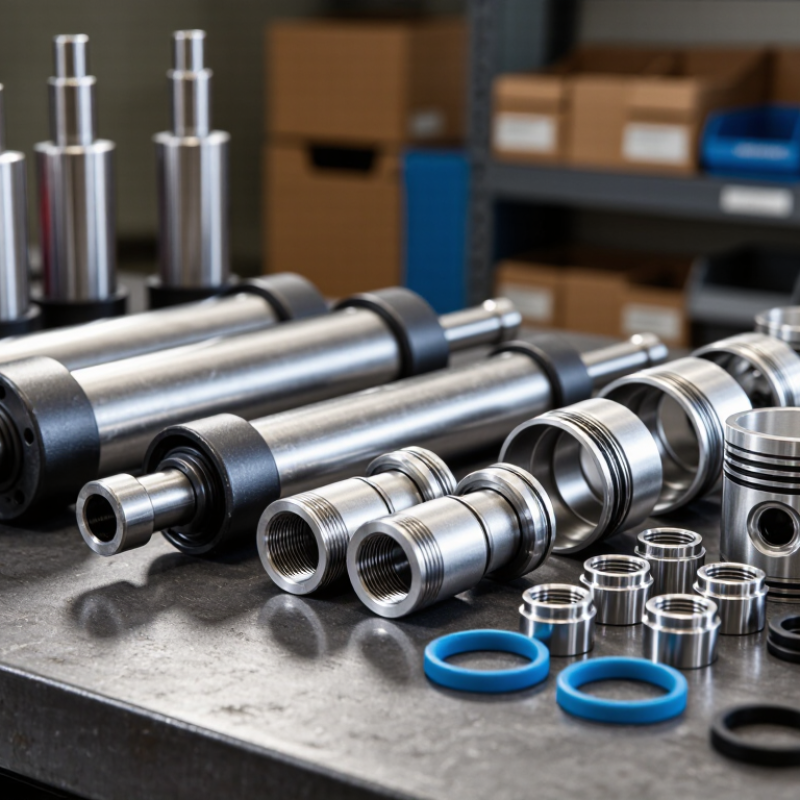
Choosing a hydraulic cylinder supplier in 2026 involves more than comparing unit prices. Buyers need components that match their equipment, operating conditions, and maintenance plans. Hydraulic Cylinder Parts can include tubes, rods, pistons, seals, glands, and mounting components, each with different fit and performance requirements. A few millimeters of dimensional mismatch can mean delays, rework, or premature wear. Fit matters.

This guide helps buyers compare suppliers using practical evidence, not broad promises. Check whether product drawings list dimensions, tolerances, materials, and compatible seal options. Ask how the supplier verifies quality, handles custom specifications, and confirms stock or production lead times. For critical applications, request relevant test records and traceability details. So does proof. Responsive technical support matters when a part number is unclear or an existing cylinder has no complete documentation.

The best choice depends on your use case. A repair shop may value readily available seals and rods, while an equipment manufacturer may need repeatable batches and engineering support. Compare warranty terms, shipping arrangements, communication, and return procedures alongside price. Details matter. No checklist catches every mismatch, and supplier information can be incomplete or difficult to compare. Treat this overview as a starting point: confirm specifications directly, review samples when appropriate, and assess each supplier against your own operating requirements before placing an order.
2026 Best Hydraulic Cylinder Parts Suppliers for Buyers

Hydraulic Cylinder Parts and Their Roles in Equipment Performance

A hydraulic cylinder turns fluid pressure into controlled linear force. Its performance depends on several parts working together. The barrel contains pressure, while the piston separates the two working chambers. The piston rod transfers force to the machine, so straightness and surface finish matter. Small parts matter.

Seals limit internal bypass and keep oil from escaping around the rod. Worn or poorly matched seals can cause drift, sluggish movement, or visible leakage. Guide rings and rod bearings help keep the rod aligned under side loads. They reduce metal-to-metal contact, but they cannot correct a badly aligned installation. That detail matters.

Ports and end caps affect how fluid enters, leaves, and remains contained. Buyers should check dimensions, material specifications, pressure ratings, and compatibility with the cylinder’s operating fluid. A part that fits on the bench may still fail under heat, vibration, or repeated cycling. Not always obvious. Supplier drawings and inspection records help verify critical dimensions, yet real equipment conditions can differ from test conditions. Allow room for that uncertainty. When replacing components, compare the original part’s measurements and failure pattern, not just its name. A scratched rod, for example, may damage a new seal quickly.

Key Criteria for Evaluating Hydraulic Parts Suppliers

A reliable hydraulic cylinder parts supplier should be evaluated on more than price and catalog range. Check whether the supplier can provide clear material specifications, dimensional tolerances, and pressure ratings for each part. For a piston rod, ask about surface finish and corrosion protection. For seals, confirm the stated fluid and temperature compatibility. Small details matter.

Quality evidence should be specific and traceable. Request inspection records, material certificates, and details of pressure or dimensional testing where relevant. Compare sample parts with drawings using suitable measuring tools, rather than relying only on photographs. Ask how nonconforming parts are handled. A polished catalog is not proof of consistent production.

Delivery performance and technical support deserve equal attention. Confirm lead times for standard and custom components, packaging methods, and how urgent replacement orders are managed. Notice whether answers are precise: vague replies about tolerances can signal a future problem. Keep written records of agreed specifications. No checklist catches everything; compatibility can still be overlooked when an existing cylinder has been modified. Share operating conditions and component dimensions before ordering, then verify critical measurements on arrival.

Supplier Types and Sourcing Options for Different Buyer Needs

Hydraulic cylinder buyers rarely need the same supplier. A farm-equipment repair shop may prioritize stocked seals and replacement parts. An equipment manufacturer may need custom dimensions, traceable materials, and repeatable testing. Grand View Research estimated the global hydraulic cylinder market at USD 14.6 billion in 2023, with a 4.8% forecast compound annual growth rate through 2030. Fortune Business Insights projected growth from USD 14.91 billion in 2024 to USD 22.35 billion by 2032. These estimates use different methods, but both suggest broadening demand and varied sourcing needs.

Distributors suit urgent maintenance orders, especially when buyers can identify the bore, rod diameter, stroke, and mounting style. Component specialists are useful for seals, pistons, rods, and tubes, but buyers should confirm compatibility with fluid, pressure, and temperature requirements. Direct manufacturers can support custom assemblies and production runs. Ask for dimensional drawings, material specifications, pressure-test records, and stated tolerances. A low unit price means little if the cylinder does not fit.

For low-volume projects, start with samples and a written inspection plan. For recurring orders, compare minimum quantities, production capacity, packaging, and replacement-part availability. Regional suppliers may simplify communication and freight; overseas sourcing may widen options but requires careful lead-time planning. One awkward reality: supplier questionnaires cannot prove consistent quality alone. Request recent inspection evidence, then verify critical dimensions on arrival. Fit still rules.

Comparing Quality, Pricing, Lead Times, and Support

For buyers comparing hydraulic cylinder parts suppliers in 2026, evaluate quality, pricing, lead times, and support together. A polished quote proves little without traceable material records, clear tolerances, and documented inspection results. Ask how suppliers check rod straightness, bore finish, and seal compatibility. Small differences can cause leaks or uneven wear.

The World Bank’s 2023 Logistics Performance Index reports an average port-to-port shipment time of about 44 days. That is a useful reminder: overseas freight can add weeks beyond a supplier’s production estimate. Compare quoted lead times by asking whether they include machining, inspection, packing, and transport. Compare prices on the same basis, including tooling, minimum quantities, and replacement terms. A low unit price can still cost more after rework. That matters.

Tips: Request a sample inspection report and a written delivery schedule. Ask who handles technical questions after shipment, and how quickly they respond. Check support with a real question before ordering. A vague answer is a warning sign, though it is not proof of poor performance. Keep the comparison imperfect but honest: document what each supplier confirms, and flag anything still unverified.

A Practical Checklist for Choosing a Supplier in 2026

2026 Best Hydraulic Cylinder Parts Suppliers for Buyers
A Practical Checklist for Choosing a Supplier in 2026

A reliable supplier should match parts to your cylinder’s operating conditions, not just its dimensions. Share the bore, rod diameter, stroke, working pressure, fluid type, and temperature range. Ask for material specifications, dimensional tolerances, and seal compatibility in writing. A rod that looks right may still wear quickly if its coating or finish is unsuitable.

Check how the supplier verifies quality. Request inspection records, material certificates, and pressure-test results for the parts you plan to buy. Grand View Research’s 2024 hydraulic cylinder market report projected a 4.2% compound annual growth rate from 2024 to 2030, pointing to continued demand and a need for dependable sourcing. Paperwork matters. Confirm how parts are identified and traced if a batch has defects.

Compare lead times, minimum order quantities, replacement policies, and packaging for transit damage. Ask whether sample parts can be measured against your drawings before placing a larger order. A polished quotation is useful, but it cannot show how a supplier handles a mismatch. I would still check the first delivery carefully; even a detailed checklist cannot prevent every production variation.

2026 Best Hydraulic Cylinder Parts Suppliers for Buyers — A Practical Checklist for Choosing a Supplier in 2026

Use this checklist to compare potential suppliers of hydraulic cylinder components. The suggested weights are a buyer-side evaluation framework, not supplier performance claims. Record evidence for each item and score suppliers consistently.

Evaluation Area What to Check Evidence to Request or Verify Suggested Weight Score
(1–5)
Notes
Product range Availability of the required cylinder parts, such as tubes, rods, pistons, glands, seals, and mounting components. Current catalogue or part list; supported sizes, materials, and configurations; confirmation that the parts match the buyer’s drawings and application. 15% ___ ________
Dimensional compatibility Compatibility of bore, rod, stroke, ports, mounting style, and interface dimensions with the existing cylinder or equipment. Dimensioned drawings and tolerances. Where applicable, confirm whether the design follows the relevant ISO 6020 or ISO 6022 mounting-dimension series; verify all dimensions against the actual assembly. 15% ___ ________
Materials and documentation Suitability of materials and coatings for the operating pressure, environment, fluid, and expected service conditions. Material specifications, coating details, and traceability records. If required by the purchase specification, request inspection documents such as EN 10204 type 3.1 material inspection certificates. 12% ___ ________
Manufacturing quality Controls for machining, surface finish, dimensional inspection, and prevention of contamination or damage. Inspection plans, sample measurement reports, process-control information, and the supplier’s method for identifying and handling nonconforming parts. 14% ___ ________
Testing and acceptance Ability to provide inspection or test evidence appropriate to the supplied component or assembled cylinder. Written test scope and acceptance criteria. For cylinder acceptance testing, check whether ISO 10100 is applicable to the product and agreed inspection requirements; confirm pressure and leakage limits in the purchase specification. 10% ___ ________
Seals and fluid compatibility Seal material and design compatibility with the specified hydraulic fluid, temperature range, pressure, and motion. Seal material identification and compatibility information for the actual fluid and operating conditions. Confirm the permitted temperature and pressure range for the selected seal configuration. 10% ___ ________
Capacity and lead time Ability to meet the required order quantity, delivery schedule, and repeat-order demand. Written lead-time estimate, stock or production status, minimum order quantity, and confirmation of how schedule changes or back orders are communicated. 8% ___ ________
Packaging and delivery Protection of precision surfaces and sealing components during storage and shipment. Packaging specification, corrosion-protection method where needed, part identification, and shipping documentation. Confirm that machined surfaces are protected from impact and contamination. 6% ___ ________
After-sales support Responsiveness to technical questions, dimensional issues, returns, and warranty claims. Documented warranty terms, return procedure, technical support contact process, and the information required to investigate a reported issue. 6% ___ ________
Commercial clarity Transparency of pricing, payment terms, quotation validity, and any additional charges. Itemized quotation stating part specifications, quantity, currency, delivery terms, taxes or fees where applicable, and quotation validity period. 4% ___ ________

Scoring guide: 1 = does not meet the requirement; 2 = major gaps; 3 = acceptable with conditions; 4 = meets the requirement; 5 = exceeds the requirement with verifiable evidence. Confirm applicable standards, test limits, and tolerances in the contract or purchase specification rather than assuming one requirement fits every application.