

In 2026, global construction buyers face a practical question: which Shuttering Magnet offers reliable formwork performance at a fair cost? This decision affects more than panel assembly. It influences production speed, concrete alignment, worker safety, and replacement expenses. A magnet that performs well in a clean factory may struggle with wet concrete, steel dust, vibration, or freezing temperatures. Real job sites are rarely as tidy as product catalogs suggest. This guide explores the details that deserve closer attention.
Drawing on manufacturing experience, supplier documentation, and common precast workflows, we examine the factors behind dependable magnet selection. These include holding force, dimensions, switching design, housing protection, corrosion resistance, and compatibility with existing formwork systems. Buyers should also request test data, material information, warranty terms, and evidence of batch consistency. Small details matter. A low quotation may exclude testing, packaging, spare parts, or technical support. That assumption can become expensive.
No single model fits every project. This is easy to forget. A high-force unit may suit heavy steel forms, while a compact magnet may work better for smaller panels and frequent repositioning. Regional climate, transport conditions, supplier communication, and after-sales service also deserve careful evaluation. Published holding figures can appear precise, yet testing methods may differ between manufacturers. Buyers should verify claims through samples, controlled trials, and qualified engineering review. The goal is not to promote one universal product. It is to identify a Shuttering Magnet that performs consistently, supports safer workflows, and remains practical throughout its service life. Mistakes are possible. Careful comparison reduces them.
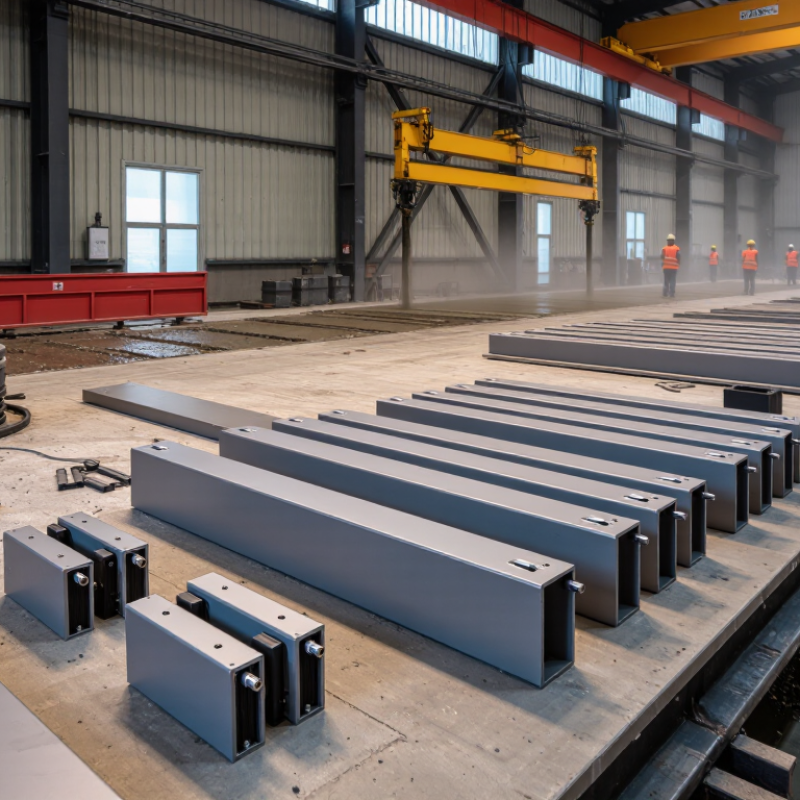
A shuttering magnet is a reusable fixing device for concrete formwork. It holds steel shutters in position without drilling, welding, or embedded anchors.
Inside its compact steel housing, permanent magnets create a strong magnetic field. This field passes through the base and grips the steel formwork surface.
The operator places the magnet on a clean, flat area. A lever or release mechanism activates and disconnects the magnetic force.
During casting, the magnet resists movement caused by wet concrete pressure and vibration. Its holding capacity depends on steel thickness, contact area, surface condition, and load direction.
Clean steel matters. Rust, paint buildup, gaps, or uneven plates can reduce performance considerably.
On busy precast sites, workers can reposition magnets quickly with basic hand tools. This may shorten setup time and reduce damage to reusable forms.
However, a magnet is not a universal solution. It should match the formwork design and the expected concrete pressure. Manufacturers’ test data should be checked against actual site conditions, not accepted blindly.
It is not magic. A small gap can create a large loss of force.
Still, mistakes happen when operators ignore inspection, safe lifting practices, or release instructions. Checking the housing, lever, and contact face before each pour remains practical.
For global buyers in 2026, durability, verified holding force, replacement access, and clear technical documentation deserve equal attention.
Choosing the best shuttering magnet in 2026 starts with matching its type to the formwork task. Push-button magnets suit fast, repeated placement on steel tables. Lever-operated magnets offer simple control and easy visual inspection. Pneumatic systems can improve production speed, but they need clean air and regular maintenance. Embedded magnet units work for specialized molds, although replacement can be less convenient.
Common sizes range from compact units near 120 × 120 × 60 mm to larger boxes exceeding 300 mm in length. Holding forces often fall between 450 and 2,100 kg, depending on design and contact quality. These figures are not universal. Steel thickness, surface rust, concrete pressure, and sliding loads can reduce real performance. A factory test is useful, but it does not perfectly represent a wet, vibrating production floor.
Check the magnetic circuit, housing steel, switch mechanism, and rated shear resistance. Neodymium magnet assemblies provide strong attraction in a compact body. Protective coatings help against moisture, cement dust, and repeated handling. Operating temperature limits also matter near curing equipment. Leave a practical safety margin instead of selecting the smallest acceptable rating. Stronger is not always better. It can increase handling effort and damage thin formwork plates. From site experience, many failures begin with poor cleaning or uneven contact. That detail is easy to underestimate. A reliable inspection routine should check cracks, loose switches, corrosion, and force loss before every production shift.
Before installation, inspect the magnet housing, switch, contact surfaces, and lifting points. Remove concrete dust, oil, and loose rust from the steel formwork. Measure the panel position carefully before activation. A small alignment error can affect wall thickness and panel joints. Place the magnet on clean steel, then activate it fully. Keep it clean. Confirm firm contact by checking movement at both ends. Never depend on a partially engaged magnet during lifting, positioning, or concrete placement.
During operation, follow the rated holding capacity and the approved formwork design. Secure adjacent panels with the specified connectors and supports. Pour concrete steadily to control pressure against the shutters. Excessive vibration can shift poorly positioned panels. Watch for movement, gaps, or unusual noise. Stop the pour if a panel begins to move. Release the magnet only after the concrete reaches the required handling strength. Use the designed release lever or tool. Do not strike the housing with hammers or improvised metal bars. That shortcut can damage internal parts.
After demoulding, remove cement residue before it hardens. Wipe the contact plate and check the switch for restricted travel. Inspect welds, fasteners, handles, and corrosion during every cleaning cycle. Test activation on a clean steel plate before the next use. Store magnets dry, protected from impact, and away from welding heat. Keep inspection records with service dates and observed defects. In practice, rushed checks still happen on busy sites. That weakness deserves correction, especially before high-cycle production. Replace damaged components through qualified maintenance personnel.
2026 Best Shuttering Magnet for Global Construction Buyers?
Safety begins with containment, not holding force alone. The International Labour Organization reported nearly 3 million work-related deaths globally in 2019. Construction remains a high-risk sector. A loose magnet can shift a form panel, damage concrete edges, or injure workers nearby. Check the safety factor, locking mechanism, surface condition, and operating instructions. Ask for test records, not attractive claims. ISO 12100 risk-assessment principles can help structure site checks, although shuttering magnets are not automatically certified by that standard.
Quality control should include pull-force testing, dimensional inspection, coating thickness, weld quality, and repeated-cycle testing. Test magnets on the actual steel formwork. Laboratory figures may not match dusty, uneven site conditions. A 2024 World Steel Association outlook still shows steel demand growth, which may increase formwork activity and replacement pressure. However, stronger is not always better. Excessive force can slow repositioning and increase handling strain. I have seen small alignment issues create expensive delays. That detail is easy to underestimate.
Tips: Compare total cost over several projects. Include labor, cleaning time, failed units, storage, transport, and downtime. Request batch traceability and a clear warranty process. If the magnet supports lifting operations, verify separate lifting-equipment requirements under applicable local rules. The cheapest unit may become costly after one damaged panel. Allow for that uncomfortable possibility.
| Magnet Configuration | Typical Rated Holding Force* | Typical Applications | Key Quality Checks | Safety and Compliance Considerations | Indicative Unit Cost Range** | Best Buyer Fit |
|---|---|---|---|---|---|---|
| Compact push-button magnet box | 900–1,500 kgf | Light and medium precast panels, small beams, embedded parts, temporary formwork | Release-button operation, flatness of contact plate, corrosion protection, pull-force test on a clean steel plate | Confirm stable placement, prevent accidental button activation, use lifting and handling procedures suitable for heavy components | US$25–70 | General-purpose precast factories seeking low initial investment |
| High-force shuttering magnet box | 1,500–2,500 kgf | Large wall panels, tunnel segments, double-wall elements, reusable steel forms | Magnetic circuit consistency, weld quality, housing deformation, force retention after repeated cycles | Verify the actual force under the site’s steel thickness, surface condition, air gap, vibration, and load direction | US$55–140 | High-volume plants prioritizing stability and fewer formwork adjustments |
| Adjustable side-rail magnet system | 1,000–2,000 kgf per unit | Variable panel widths, edge rails, column forms, flexible production lines | Rail straightness, adjustment tolerance, locking mechanism, repeatable positioning accuracy | Lock all adjustment points before casting and inspect for movement after vibration or impact | US$70–180 | Manufacturers producing several element sizes on the same casting bed |
| Magnetic chamfer and corner profile | 300–1,000 kgf per unit | Chamfered edges, architectural panels, controlled concrete corners and recesses | Profile dimensional accuracy, magnet seating, surface finish, resistance to concrete paste ingress | Check that the profile cannot shift during vibration and that removal does not damage the concrete edge | US$15–60 | Projects where visual finish and repeatable edge geometry are important |
| Heavy-duty multi-magnet assembly | 2,500–4,000+ kgf per assembly | Large precast beds, high-vibration production, thick steel shuttering, demanding alignment work | Combined force verification, frame rigidity, synchronized release, fatigue resistance, fastener security | Use a documented risk assessment, define exclusion zones, and never treat magnetic force as a substitute for mechanical restraints where required | US$150–400+ | Large-scale plants with strict production controls and high equipment utilization |
* Holding-force values are indicative ranges for common shuttering-magnet configurations and can vary significantly with steel grade, plate thickness, surface condition, air gap, test method, and load direction.
**Cost ranges are budgetary international purchasing estimates per unit in 2026, excluding freight, taxes, customization, tooling, and installation.