10 Best 90° Long Radius Elbow Manufacturers?
A 90° Long Radius Elbow can look simple on a drawing: a smooth turn, two weld ends, and a specified radius. In service, that geometry affects flow direction, pressure loss, stress distribution, and installation space. Buyers also need to check material grade, wall thickness, dimensional tolerances, and traceability. Small details matter.
The market backdrop is broad, not elbow-specific. The World Steel Association’s October 2024 Short Range Outlook forecast global steel demand of 1.751 billion tonnes for 2024. That figure signals the scale of steel use, but it does not measure elbow demand. For product dimensions, ASME B16.9 provides a key reference for factory-made wrought butt-welding fittings. It is a starting point, not a substitute for checking the project specification and operating conditions.
Piping specialist Charles Becht IV’s published work on process piping informs a practical editorial takeaway: “Select fittings for service conditions, not price alone.” This is a paraphrase, not a verbatim quotation. A responsible comparison should examine manufacturing capability, inspection records, material documentation, and delivery consistency. Ask how each manufacturer controls ovality and weld-end preparation. Request drawings and test documentation before ordering. Then compare like with like.
There is no single best supplier for every plant. A refinery line, a power station, and a compact skid have different constraints. Some buyers also overlook support loads and fit-up access. That deserves a second look. This guide compares ten manufacturers using practical selection criteria, while recognizing that availability, certifications, and product ranges can change. Verify current claims directly with each supplier.
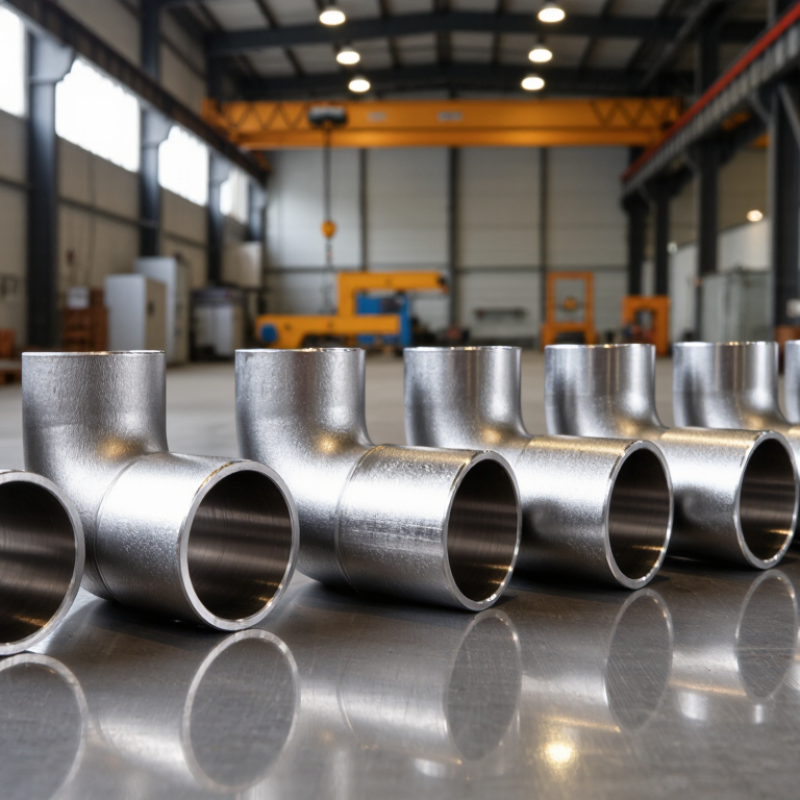
What Is a 90-Degree Long Radius Elbow?
A 90-degree long-radius (LR) elbow turns a pipeline through a quarter circle. Its centerline radius is typically 1.5 times the nominal pipe size, written as R = 1.5D. ASME B16.9, the industry standard for factory-made butt-welding fittings, specifies fitting dimensions and tolerances. Check the required size and schedule; not every elbow is identical. Here, D means nominal pipe size, not necessarily the measured outside diameter. Small distinction. Big consequences.
Compared with a short-radius elbow, an LR elbow spreads the turn over a wider curve. This geometry can reduce flow disturbance and pressure loss, but the actual result depends on flow rate, fluid properties, pipe condition, and nearby fittings. In a crowded pump room, its longer center-to-end dimension may require a reroute. I would check clearance and calculate system losses before choosing by radius alone. Drawings can hide this issue.
Tips: Confirm nominal size, wall schedule, material, end preparation, and design pressure against project documents. Request dimensional and material traceability records. Check the center-to-end length on the actual drawing. A long-radius elbow is not automatically the better fit.
How to Assess Long Radius Elbow Manufacturers
Assess a 90° long radius elbow manufacturer by examining process control, not brochure language. Ask how the elbow’s radius, wall thickness, and end dimensions are checked during production. Request a sample inspection report and compare its measurements with your project drawings. Details matter. A small mismatch at the bevel can complicate fit-up on site.
Material traceability is equally important. Check whether heat numbers follow each fitting through cutting, forming, and final inspection. Ask what tests are performed, how results are recorded, and who reviews nonconforming products. Clear answers should come with records, not vague assurances. For welded elbows, look for documented weld inspection and consistent seam placement. A tidy certificate pack is useful, but it does not replace product-specific evidence.
Review production capacity and communication before placing a large order. A supplier should explain lead times, packaging, and how it protects bevels from dents during shipping. Compare its stated tolerances with the requirements your engineers actually use. I would leave room for a second review; dimensions on paper can look deceptively clean. If a response seems incomplete, ask for clarification in writing. That extra exchange may feel slow, but it can reveal whether the manufacturer understands the fitting’s service conditions.
Ten Notable 90-Degree Long Radius Elbow Manufacturers
Ten Notable 90-Degree Long Radius Elbow Manufacturers
A strong shortlist of ten manufacturers should be judged by more than price. Check whether each supplier documents material grades, heat treatment, dimensional inspection, and traceability. ASME B16.9 defines dimensions for factory-made wrought butt-welding fittings; its long-radius elbow has a center-to-center radius of 1.5 times the nominal pipe size. Ask for inspection records, not just a catalogue. Small gaps in paperwork can matter later.
The World Steel Association’s World Steel in Figures 2025 reports 1,882.6 million tonnes of global crude steel production in 2024. This broad supply indicator does not measure elbow quality, but it highlights the scale of the material market behind these fittings. For ten candidate manufacturers, compare mill certificates, wall-thickness tolerances, weld-end preparation, and delivery consistency. Request sample reports for the exact size and grade you need. A polished brochure is not proof; even a capable supplier may have uneven documentation.
Tips: Confirm the elbow’s schedule, material grade, and radius against the piping specification. Check actual dimensions before installation. A quick visual check helps, but it cannot replace verified inspection data.
Comparing Product Range, Standards, and Manufacturing Capabilities
10 Best 90° Long Radius Elbow Manufacturers?
Comparing ten manufacturers starts with fit, not a polished catalog. Check nominal sizes, schedules, materials, and end preparations against your piping specification. Ask whether elbows are seamless or welded, and how forming affects wall thickness around the bend. A clear response is more useful than a broad product list. Details matter.
Standards and production controls deserve equal attention. Confirm the applicable dimensional standard, such as ASME B16.9, and request material test reports for the supplied grade. Ask how the factory verifies dimensions, heat treatment, and surface condition. For large orders, review sample inspection records or discuss a witness inspection. Manufacturing capacity also means dependable lead times, consistent batches, and suitable equipment for the required diameter and thickness. I would not treat a large advertised range as proof of capability; some details need checking.
Tips: Send suppliers the same specification and drawing for a fair comparison. Check marking, traceability, and packaging before shipment. If an answer feels vague, ask for a sample record. That extra step can save rework, though it may slow the selection process slightly.
How to Choose a Manufacturer for Your Project
Choosing a 90° Long-Radius Elbow manufacturer starts with the service conditions, not a catalog photo. Share the pipe size, schedule, material grade, design pressure, temperature, fluid, and connection type. Ask how the elbow’s radius and end dimensions are checked against your drawing. A dimensional report can help confirm the fitting will align with existing pipework. Request material test reports, heat numbers, and inspection records. For critical lines, ask what non-destructive examination is available and when it is performed. Confirm packaging protects bevels and surfaces during shipment.Small dents matter.
Tips: Send a marked-up drawing, not only a product name. Confirm tolerances, certificates, inspection scope, and delivery dates in writing. Resolve missing specifications before comparing quotations.
Price matters, but compare the same scope. Check whether testing, documentation, coating, and freight are included. Ask about production capacity and how schedule changes are handled. A capable manufacturer should explain limitations clearly instead of promising every option. If possible, review a sample or recent inspection report. One detail is easy to overlook: a long-radius elbow may reduce flow disturbance, but it must still suit the system design and installation space. Checks can miss a mismatch, so have the responsible engineer approve the final data before release.