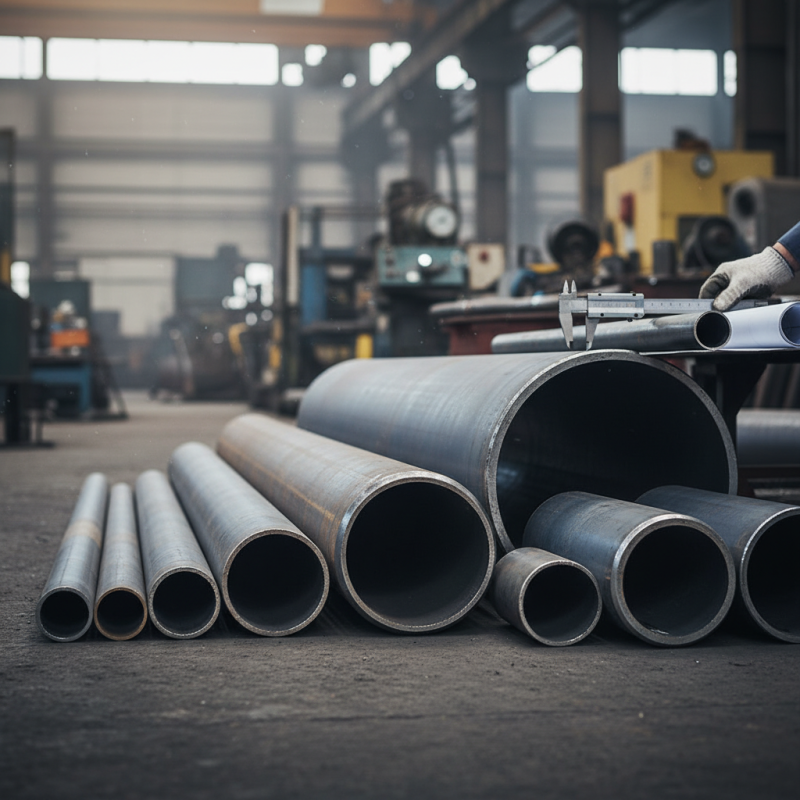
What is the Best Carbon Steel Pipe for Your Industry Needs?
When it comes to industrial applications, choosing the right materials is crucial. Carbon Steel Pipe stands out as a versatile option in several industries. Its combination of strength and affordability makes it ideal for various projects.
Selecting the best Carbon Steel Pipe can be challenging. Factors like thickness, diameter, and material grade must be carefully considered. Each industry has unique requirements that influence these decisions. The wrong choice can lead to inefficiencies or safety hazards, highlighting the need for informed decisions.
Experience and industry knowledge play critical roles in making these choices. Experts advise evaluating the specific needs of your project. Understanding the various properties of Carbon Steel Pipe can guide you toward the best option. Regular assessments and feedback are essential in refining your selections over time.
Understanding Carbon Steel Pipes: An Overview of Key Features
Carbon steel pipes are essential in various industries. They come in different grades and sizes tailored to specific applications. The key features of carbon steel pipes include strength, durability, and resistance to wear. Their composition mainly consists of iron with a small percentage of carbon, enhancing mechanical properties.
In the construction industry, these pipes are preferred for their high tensile strength. They can withstand heavy loads and extreme conditions. However, their susceptibility to corrosion can be a drawback. Proper coatings or treatments are often necessary to improve longevity.
Moreover, the versatility of carbon steel pipes extends to the oil and gas sector. They can handle high pressures, making them suitable for pipelines. Still, it's crucial to select the appropriate grade, as not all pipes perform equally under stress. There is often a need for careful evaluation to ensure safety and efficiency.
What is the Best Carbon Steel Pipe for Your Industry Needs?
This chart illustrates the tensile strength of various carbon steel pipes used across different industries. Understanding these properties can help you select the right pipe for your needs.
Types of Carbon Steel Pipes: Different Grades and Their Applications
Carbon steel pipes are critical in various industries, each requiring specific grades. The most common are ASTM A106, A53, and A333. ASTM A106 pipes are ideal for high-temperature applications. They can handle pressures up to 20,000 psi. A53 pipes are versatile, suitable for both structural and piping applications. They are commonly found in the construction and manufacturing sectors.
Different grades offer distinct mechanical properties. For example, A333 is often used in low-temperature environments. This grade maintains its toughness even at sub-zero temperatures. Industry reports indicate that the demand for high-grade carbon steel pipes is rising. This is due to increased infrastructure projects worldwide. Manufacturers often struggle to meet this demand while ensuring quality and compliance with standards.
Choosing the right grade requires careful consideration of application needs. Factors like temperature, pressure, and environmental conditions play crucial roles. Often, engineers face challenges in selecting the appropriate material. Not every application requires the highest grade. Assessing the true needs can lead to cost savings and better performance. Understanding these complexities is essential for making informed decisions.
What is the Best Carbon Steel Pipe for Your Industry Needs?
| Pipe Type | Grade | Application | Typical Specifications |
| Seamless Carbon Steel Pipe | A106 Grade B | High-Temperature Applications | ASTM A106, ASME SA106 |
| Welded Carbon Steel Pipe | A53 Grade B | Structural Applications | ASTM A53, ASME SA53 |
| Carbon Steel Square Pipe | A500 Grade B | Construction and Railing | ASTM A500, ASME SA500 |
| Carbon Steel Rectangular Pipe | A501 Grade B | Mechanical and Structural | ASTM A501, ASME SA501 |
| Friction Welded Pipe | A672 Grade B60 | High-Pressure Applications | ASTM A672, ASME SA672 |
Selecting the Right Carbon Steel Pipe for Industrial Use
Selecting the right carbon steel pipe for industrial use is crucial. Carbon steel pipes are widely used across industries for their strength and versatility. According to the Steel Pipe Institute, around 70% of all steel pipes used in construction are made from carbon steel. This is due to their durability and cost-effectiveness.
When choosing a carbon steel pipe, consider factors such as wall thickness, diameter, and corrosion resistance. The American Society for Testing and Materials (ASTM) provides standards that help ensure the pipes meet specific requirements. For example, ASTM A53 is a standard commonly used in structural applications. Selecting the right grade can greatly impact performance in high-pressure environments.
Industry reports indicate that improper selection can lead to costly failures. In fact, about 30% of all pipeline failures are attributed to material selection errors. Regular maintenance and proper installation are vital too, but starting with the right material sets the stage for success. It’s a step that shouldn’t be overlooked.
Factors to Consider When Choosing Carbon Steel Pipes
When selecting carbon steel pipes for your industry, various factors significantly impact your choice. One key consideration is the pipe's grade and type. For instance, ASTM A106 is frequently used for high-temperature applications, while ASTM A53 is common for low-pressure systems. Understanding these specifications ensures your pipes meet the required safety and performance standards. According to the American Society for Testing and Materials (ASTM), proper selection based on material properties is crucial to avoid premature failures, which can lead to costly downtimes.
Another critical factor is the pipe's diameter and wall thickness. These dimensions affect the pressure capacity and the overall strength of the pipe. The American Petroleum Institute (API) provides guidelines on these metrics, indicating that improper sizing can result in structural weaknesses. A well-documented report by the National Association of Corrosion Engineers highlights that corrosion resistance also plays a vital role. Depending on the environment, adding coatings or opting for higher alloy content is essential to prolong the lifespan of the pipes.
Finally, sourcing is a significant aspect to consider. Reliable suppliers offer quality assurance certifications, which can provide confidence in your selection. However, not all suppliers maintain consistent quality control. Reports indicate that failures often arise from undisclosed manufacturing flaws. Being diligent during procurement can save significant resources. It’s crucial to assess supplier reputations and verify compliance with industry standards.
Maintenance and Longevity of Carbon Steel Pipes in Industry
Proper maintenance of carbon steel pipes is crucial for extending their longevity in various industrial applications. Regular inspections help identify rust, corrosion, and other forms of wear. A thorough check should include joints, fittings, and overall structural integrity. These inspections are essential in preventing costly failures.
In addition to routine checks, applying protective coatings can enhance a pipe's lifespan. Coatings reduce exposure to harsh environments, which can lead to deterioration. However, improper application might lead to more damage. It's a delicate balance to maintain efficiency without risking integrity.
Cleaning practices also play a significant role. Regularly removing debris and buildup prevents blockages and promotes efficient flow. Neglecting this maintenance can result in unexpected downtime. Ultimately, establishing a routine with a skilled team can make a significant difference in a pipe's longevity. The industry often overlooks these aspects, yet they are vital for ensuring sustained performance.