Best Organic Fertilizer Options for Sustainable Farming Solutions?
In the quest for sustainable farming, the significance of Organic Fertilizer cannot be overstated. With the rise of eco-conscious farming methods, many farmers are seeking alternatives to synthetic products. Organic fertilizers offer a range of benefits. They improve soil health, enhance crop yield, and reduce chemical runoff. However, not all organic fertilizers provide equal advantages.
Farmers must navigate various options, from compost and manure to seaweed extracts and cover crops. Each choice has distinct characteristics and potential drawbacks. The challenge lies in selecting the right type based on specific soil conditions and crop needs. Misguided decisions can lead to ineffective results, wasting both time and resources.
Understanding the science behind organic fertilizer is essential. Expert knowledge and experience guide farmers toward effective use. Sustainable farming requires a commitment to ongoing education and adaptation. The journey of finding the best organic fertilizer options is one of trial and reflection. Farmers must remain open to learning and evolving practices for optimal results.
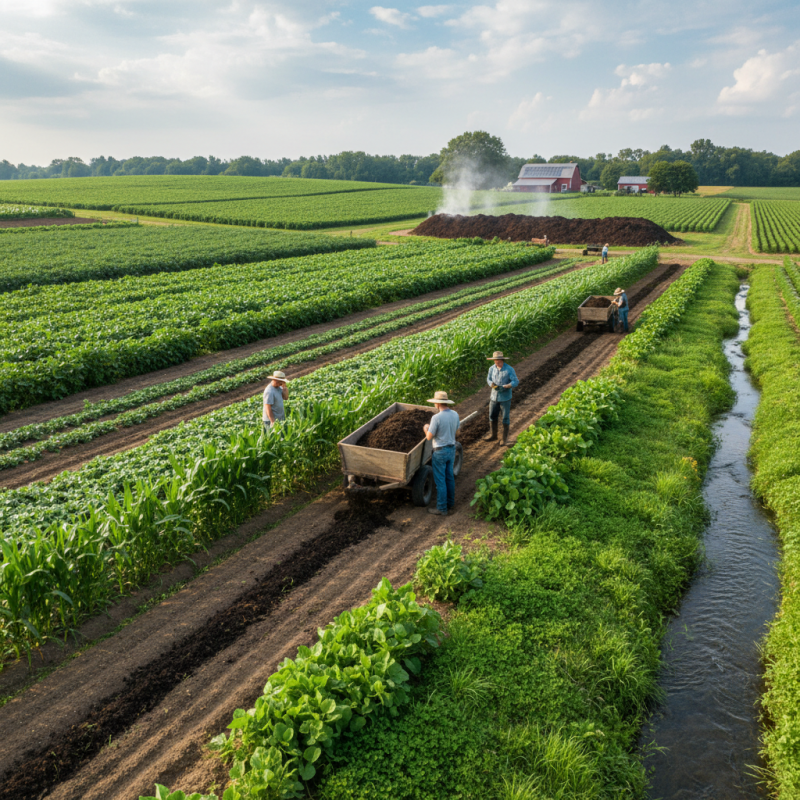
Understanding Organic Fertilizers: Definition and Importance in Farming
Organic fertilizers are vital for sustainable farming. They enhance soil health, improve crop yields, and reduce environmental impacts. Made from natural materials, organic fertilizers add essential nutrients back into the soil. This promotes a thriving ecosystem for plants and beneficial microorganisms.
Tips: Always test your soil before applying any fertilizer. This helps you understand nutrient deficiencies. Use compost and manure regularly, but ensure they are well-aged to prevent nutrient burn.
Understanding organic fertilizers also means recognizing their importance in reducing chemical exposure. Farmers who shift to organic methods can help promote biodiversity. This can be beneficial for both crops and local wildlife. Remember, transitioning takes time and patience. It’s essential to monitor soil health continuously.
Lastly, you may face challenges during this transition. Balancing soil nutrients can be difficult. Frequent soil tests can help guide your efforts. This process isn’t always perfect, and it’s important to remain adaptable. Be open to learning from each season’s results.
Types of Organic Fertilizers: A Comprehensive Overview of Options
Organic fertilizers come in various forms, each offering unique benefits for sustainable farming. Compost is a popular option. It enriches soil health and improves moisture retention. Additionally, compost supports microbial life, enhancing nutrient availability. However, creating quality compost can be time-consuming and may require a keen understanding of organic materials.
Another option is manure, a traditional organic fertilizer. It provides essential nutrients like nitrogen and phosphorus. Manure can enhance soil structure and fertility. On the downside, if not properly aged, it may introduce pathogens and an unpleasant odor. Farmers must be cautious in its application.
Natural amendments like bone meal and blood meal also play a role. Bone meal is rich in phosphorus, promoting root development. Blood meal, high in nitrogen, supports leafy growth. Yet, sourcing these materials sustainably can be challenging. Understanding these factors helps in making informed choices that align with sustainable farming practices.
Best Organic Fertilizer Options for Sustainable Farming Solutions
| Type of Organic Fertilizer | Nutrient Composition | Application Method | Benefits |
| Compost | High in organic matter, varies in NPK | Spread on soil, mix into garden beds | Improves soil structure, provides diverse nutrients |
| Bone Meal | High in phosphorus (10-12% P) | Mix into planting holes or soil | Promotes root development, flowering, and fruiting |
| Fish Emulsion | Low in NPK (about 5-1-1) | Dilute with water, spray on leaves or soil | Increases microbial activity, promotes overall plant health |
| Worm Castings | High in micronutrients and beneficial bacteria | Mix into soil or top dress | Enhances soil health, improves nutrient uptake |
| Seaweed Extract | Contains trace minerals, low NPK | Dilute and apply as a foliar spray | Stimulates growth, improves stress tolerance |
Nutrient Composition: Key Elements in Organic Fertilizers for Crop Health
Organic fertilizers play a crucial role in sustainable farming. Understanding nutrient composition is vital for promoting crop health. Key elements in organic fertilizers include nitrogen, phosphorus, and potassium (N-P-K). According to a report by the International Fertilizer Industry Association, balanced N-P-K supports strong growth and development in plants.
Thus, nitrogen is essential for leafy green growth. It helps plants synthesize proteins and enzymes. Phosphorus, on the other hand, is vital for root development and flowering. In contrast, potassium aids in water regulation and disease resistance. A well-rounded organic fertilizer should contain adequate levels of these nutrients to optimize plant vitality.
Tips: Always check the N-P-K ratio on the fertilizer label. Look for organic sources like compost or manure to improve soil health. Often, farmers overlook the importance of micronutrients like calcium and magnesium. These elements can significantly affect crop yields. An analysis of soil health can help identify nutrient deficiencies and improve fertilizer selection. This careful consideration ensures better crop production and environmental sustainability.
Best Organic Fertilizer Options for Sustainable Farming Solutions
Benefits of Using Organic Fertilizers for Sustainable Farming Practices
Organic fertilizers are gaining attention in sustainable farming. Their benefits are backed by research highlighting improved soil health, crop yield, and environmental impact. According to a study published by the Organic Farming Research Foundation, organic fertilizers can enhance soil organic matter by up to 40%, significantly boosting soil fertility.
Using organic fertilizers reduces chemical runoff. This minimizes water pollution, preserving local ecosystems. A report from the Soil Health Institute shows that organic practices can increase biodiversity in soil organisms, which play a vital role in nutrient cycling. Farmers adopting organic methods report healthier plants and better resilience to pests.
However, challenges remain. Organic fertilizers may have variable nutrient content. This requires careful planning and application to meet crop needs. Some farmers face difficulty in sourcing high-quality organic materials. These issues necessitate ongoing education and adaptation. Despite these challenges, the advantages of organic fertilizers for sustainable farming are compelling. The need for a more environmentally friendly approach is clear as the agricultural sector evolves.
How to Choose the Right Organic Fertilizer for Specific Crop Needs
Choosing the right organic fertilizer can transform your crops. Different plants have unique nutrient requirements. For example, leafy greens thrive on nitrogen-rich fertilizers. Fruits and flowers often need higher phosphorus. Knowing these details is crucial for success.
Soil testing is a vital step before selecting a fertilizer. It provides insight into existing nutrient levels. This guides you to choose the right organic option that addresses deficiencies. Additionally, consider the application method. Some fertilizers release nutrients slowly, while others act quickly. The timing of your application can also impact crop yield.
Organic fertilizers often contain valuable microbes. These enhance soil health over time. However, not all options are equal. Researching their sourcing and composition is essential. Some products may not perform as expected. Always observe how your plants react after application. Adjustments may be necessary to better suit specific crops.