
Choosing China’s best Ammonium Sulfate Nitrogen suppliers takes more than comparing prices. Buyers need to assess product quality, technical support, delivery reliability, and the clarity of supplier records. A competitive quote can look attractive, but it means little if specifications are vague or shipments arrive inconsistently.
Start by checking the product’s nitrogen and sulfur content, moisture level, granule size, and intended use. Request a recent certificate of analysis and confirm that its figures match the product specification. Ask how batches are tested and whether the supplier can provide traceable quality documents. Small details matter. Dust in a sample bag, uneven granules, or unclear packaging labels can signal questions worth resolving before an order.
This guide explains how to compare Chinese suppliers using practical, verifiable criteria. It considers manufacturing capability, export experience, communication, packaging options, and logistics planning without treating any single company as the automatic winner. Supplier claims should be checked against documents, samples, and clear written terms. No shortlist is perfect. Even careful checks may not reveal every production or transport issue, so buyers should agree on inspection procedures and remedies before confirming an order. The right partner is not simply the one offering the lowest price; it is the supplier whose product, paperwork, and service consistently fit the buyer’s requirements.
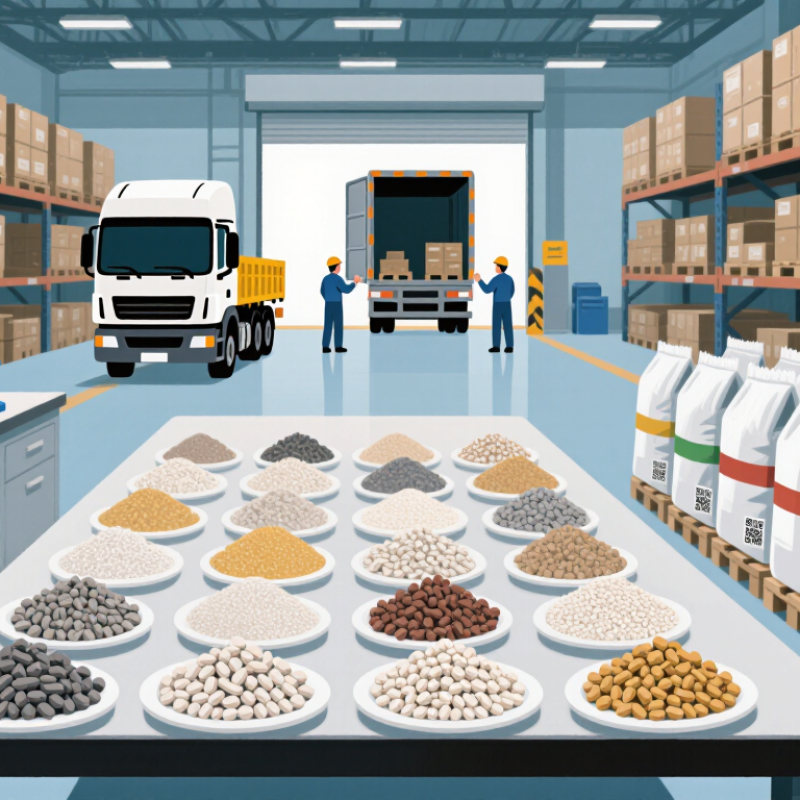
Ammonium sulfate is a granular fertilizer that commonly supplies about 21% nitrogen and 24% sulfur, though product analyses can vary. Check the label or certificate before calculating application rates. Its nitrogen is in ammonium form, while sulfur is supplied as sulfate. Both nutrients support crop growth: nitrogen helps build leafy tissue, and sulfur contributes to protein formation. Useful details, not just numbers.
After application, soil microbes gradually convert ammonium into nitrate. This process can lower soil pH over time, especially with repeated applications. The effect depends on soil type, crop needs, and management. A soil test helps show whether nitrogen or sulfur is actually needed; more is not automatically better. For example, a grower planning a field application should match the rate to test results and local agronomic advice, rather than relying on a general recipe.
When comparing suppliers in China, ask for current nutrient analysis, moisture data, granule-size information, and a representative product sample. Consistent granules can make spreading more even. Keep bags dry and sealed, since moisture can cause caking. Supplier documents matter, but they do not replace independent testing when quality is uncertain. That check can feel inconvenient, yet skipping it may cost more later.
China’s ammonium sulfate supply comes from several industrial streams, including caprolactam production, coking operations, and other chemical processes. This mix gives buyers multiple sourcing options, but it also means supply conditions differ by region and production route. Some suppliers offer crystalline material; others focus on granules suited to bulk handling. The appearance can vary.
Production volumes and availability may shift with operating rates in related industries. A plant making ammonium sulfate as a by-product may not adjust output solely to meet fertilizer demand. This matters during seasonal purchasing periods. Buyers should check current availability rather than rely on an old quotation or a broad market estimate.
Specifications deserve close attention. Ask for recent test results covering nitrogen content, moisture, free acidity, particle size, and relevant impurities. Confirm that the stated grade matches the intended application, and arrange representative sampling when consistency is important. Details matter. Packaging, loading capacity, and delivery timing also shape the practical value of an offer. A low price can look attractive, yet uneven granules or damp bags may create extra handling work. The supply picture is not perfectly transparent, so comparing documented specifications and shipment records is more useful than relying on promotional claims.
When comparing ammonium sulfate nitrogen suppliers, assess product consistency rather than relying on a single specification sheet. Review recent certificates of analysis for nitrogen content, moisture, free acidity, and particle-size distribution. Ask whether results represent routine production batches or a specially prepared sample. Ask for evidence.
Compare several batches, and check whether the figures remain within agreed limits. If possible, arrange independent testing before a large order. Packaging matters too: inspect bag strength, stitching, labels, and protection against moisture during storage and transport. Small details can reveal weak controls.
Production capacity needs the same scrutiny. Request monthly output records, current operating rates, planned maintenance schedules, and realistic lead times. A factory’s stated capacity may describe its equipment, not the volume it can consistently deliver. Check storage space, loading facilities, and access to transport, then confirm how the supplier handles seasonal demand or equipment downtime. A site visit can help verify these details, though one visit cannot prove year-round performance. It is easy to overvalue polished paperwork; repeatable test results and delivery records are more useful. Compare promised volumes with actual shipment histories, and leave room for uncertainty when forecasts change.
Common fertilizer-grade nutrient benchmarks for ammonium sulfate
How to use this: A common fertilizer-grade analysis is 21% nitrogen and 24% sulfur by mass. Compare each supplier’s current certificate of analysis with the required grade, and confirm testing methods and batch consistency. Production capacity is not represented by these nutrient figures; assess it separately using verified annual output, utilization, and shipment records.
A reliable supplier makes pricing easy to check. Compare the quoted nitrogen assay, moisture limits, granule size, and packaging—not just the price per tonne. Ask whether the quote includes inland transport, export handling, and port charges.
Costs can shift. Seasonal demand and freight availability may change the final landed price, so request a validity period and a clear breakdown.
Compliance needs practical checks. Request a current certificate of analysis, safety data sheet, product specification, and origin documents. Confirm that product labeling and fertilizer registration requirements match the destination market.
Rules vary by country. The importer should verify applicable customs classification and document requirements before the cargo ships. Paperwork matters.
International shipping can affect product quality. Ammonium sulfate should be protected from rain and damp storage to reduce caking. Confirm bag type, palletizing, container condition, loading photos, and expected transit time. Ask the supplier how claims are handled if bags arrive torn or wet.
A low quote may still be poor value when extra handling or delays are overlooked. One detail is easy to miss: agree on inspection and document deadlines before payment terms are finalized.
For agricultural purchasing, start with crop needs, soil tests, and application equipment rather than a low price alone. Ammonium sulfate commonly supplies about 21% nitrogen and 24% sulfur, but confirm the assay on each lot. Ask about granule size, moisture, caking tendency, and whether the product moves evenly through your spreader. Small details matter. A bag that hardens during storage can disrupt a carefully timed field operation. Request a recent certificate of analysis and a representative sample before approving a large order.
Industrial applications may need tighter limits for purity, moisture, or specific impurities. Describe the intended process clearly, then ask which product specifications the supplier can document. Check batch consistency, packaging options, delivery schedules, and access to safety data sheets. Good records help, but one sample cannot reveal every seasonal variation. Ask how the supplier handles out-of-specification material and whether batch numbers can be traced. I would not rely on a polished specification sheet alone; compare it with test results and the needs of your equipment. A lower quote can still cost more if product variability causes downtime or extra handling.
| Supplier profile | Typical product and composition | Common form and packaging | Best-fit application | Documents and checks | Buyer evaluation points |
|---|---|---|---|---|---|
| Bulk agricultural fertilizer supplier | Agricultural-grade ammonium sulfate, (NH4)2SO4. Commercial fertilizer commonly provides about 21% nitrogen and about 24% sulfur; confirm guaranteed values on the product specification and certificate of analysis. | Granular or crystalline product; bulk shipment or large bags are common options. Available packaging depends on the supplier and shipment. | Field fertilizer programs where both nitrogen and sulfur are required. Suitability depends on crop needs, soil conditions, and local agronomic recommendations. | Request a recent certificate of analysis (COA), product specification, safety data sheet (SDS), and batch identification. Confirm nitrogen and sulfur guarantees and applicable local fertilizer rules. | Compare delivered cost per unit of nutrient, batch consistency, loading capacity, moisture protection, and delivery schedule. |
| Water-soluble fertilizer supplier | Ammonium sulfate offered in a form intended for dissolution. Solubility, insoluble matter, and any limits on contaminants should be stated in the supplier’s specification; values can differ by grade. | Fine crystals or powder, typically in moisture-resistant bags. Confirm particle size and packaging with the supplier. | Fertigation or fertilizer blending where the product is dissolved before use, subject to irrigation-system and crop requirements. | Ask for COA results for solubility and insoluble residue, plus SDS and storage guidance. Conduct a dissolution test using the intended water and mixing conditions. | Check for clogging risks, caking, moisture ingress, batch-to-batch dissolution performance, and compatibility with other materials in the planned blend. |
| Technical-grade industrial supplier | Industrial ammonium sulfate supplied to a buyer-defined specification. There is no single purity limit that applies to every industrial use; confirm assay and impurity limits for the intended process. | Crystalline, granular, or powder form, selected to suit handling and process requirements. Packaging and particle-size limits should be agreed in writing. | Industrial processes that specify ammonium sulfate as a feedstock or process material. End-use suitability must be validated by the buyer. | Request a lot-specific COA with test methods, an SDS, traceability information, and written limits for relevant impurities. Verify that the analytical methods meet the buyer’s requirements. | Assess specification control, sampling procedures, change notification, production consistency, and the supplier’s ability to meet agreed impurity limits. |
| Custom-specification supplier | Product manufactured or selected against a negotiated specification, such as defined nitrogen content, moisture, particle-size distribution, or impurity limits. Requirements should be agreed before production. | Form and packaging depend on the purchaser’s handling, storage, and process needs. | Applications with documented performance, handling, or quality requirements that standard grades may not address. | Use a written specification, agreed sampling and test methods, COA acceptance limits, and a process for handling nonconforming lots. | Request a representative sample and confirm production lead time, minimum order quantity, specification-change controls, and remedies for out-of-specification material. |
| Export-oriented supplier | Agricultural or industrial grade selected for the destination market. Product guarantees and import requirements must be checked against the destination country’s rules and the purchase contract. | Bulk or bagged cargo; confirm container or vessel loading arrangements and packaging strength for the route. | International procurement where import documentation, transport planning, and delivery terms are important. | Confirm COA, SDS, commercial invoice, packing list, origin and other documents required by the contract and destination market. Verify applicable import and labeling requirements independently. | Compare the full landed cost, Incoterms, shipment schedule, cargo protection, demurrage exposure, and procedures for inspection or claims. |
Note: These are generic supplier profiles, not named or ranked companies. Product specifications vary by producer and grade; verify every value against a current, lot-specific COA and the requirements of the intended application.