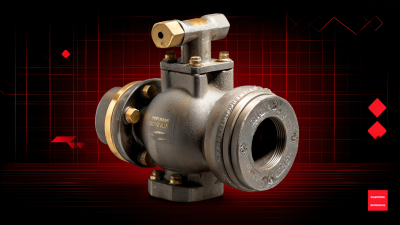
Choosing the China Top 10 Control Valve Ball Manufacturers requires more than comparing factory prices. A dependable supplier must combine material knowledge, machining accuracy, surface finishing, and repeatable inspection. These details affect sealing performance, torque, service life, and safety in demanding pipelines.
Dr. Richard W. Greene, a control-valve engineering consultant, once stated, “A valve ball is only as reliable as its finish, fit, and test record.” That principle guides this overview. The selected manufacturers are assessed through practical indicators, including stainless steel and alloy options, spherical accuracy, coating quality, CNC capacity, and pressure-testing procedures. Export experience also matters. So does technical support after delivery.
Small differences matter.
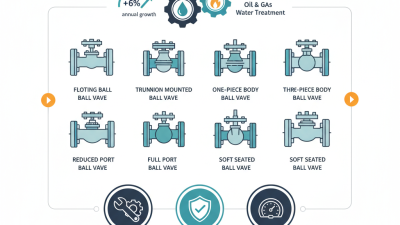
A well-polished ball can reduce friction and leakage. A poor coating may fail under abrasive media, heat, or corrosive chemicals. Some manufacturers specialize in floating-ball designs, while others support trunnion-mounted applications and customized geometries. Their strengths are not identical.
This ranking should not be treated as permanent. Supplier capabilities change, and public information is sometimes incomplete. That is an uncomfortable limitation. Buyers should verify certifications, sample reports, tolerances, inspection records, and actual application references before placing an order. Factory visits can reveal more than polished brochures. A close look at lapping equipment, measurement tools, and packing methods often exposes practical differences.
The following guide introduces ten notable Chinese manufacturers and explains where each may fit best. It focuses on evidence, engineering value, and realistic purchasing considerations rather than exaggerated claims.
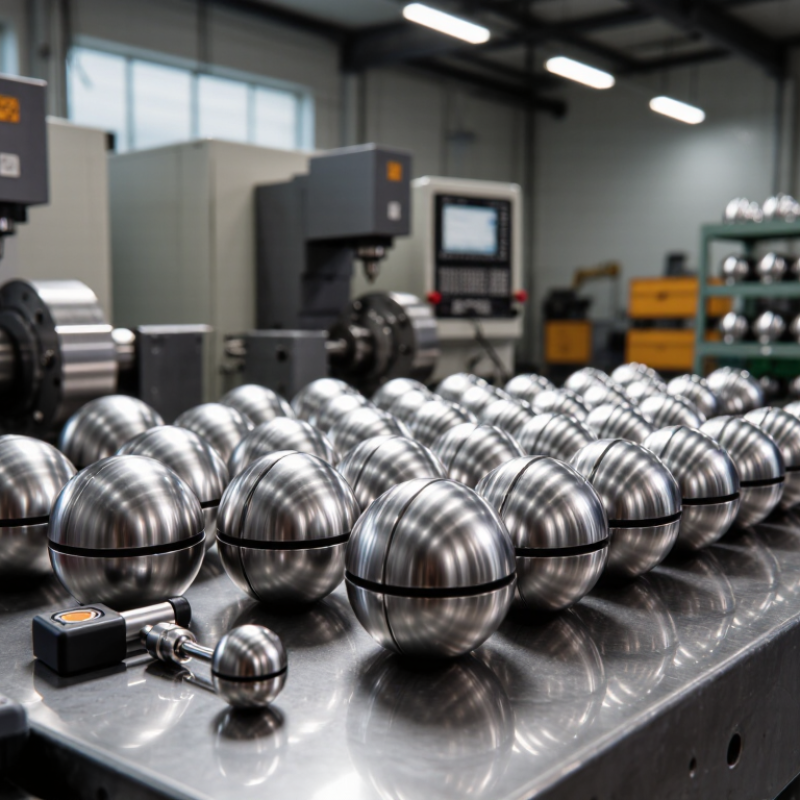
A control valve ball is the precision-machined spherical part that regulates fluid flow inside a valve body. Its central bore aligns with the pipeline when open and blocks passage when rotated. The stem transfers actuator movement to the ball. Tight cooperation among the ball, seats, and seals controls leakage.
Control valve balls serve in water treatment, chemical processing, power generation, oil and gas systems, and food production. Their performance depends on pressure, temperature, fluid chemistry, and flow speed.
Stainless steel suits many general services. Hardened alloys can resist erosion from abrasive particles. Ceramic options may handle severe wear, although they can be less forgiving during installation.
In practical inspections, technicians check roundness, bore alignment, surface finish, and seat contact. Even a tiny machining mark may increase torque or create leakage. Cavitation can also damage the ball with small pits, especially under high pressure drops. Proper sizing reduces this risk. A ball that is too small may cause unstable control, while an oversized design can respond poorly.
Leading manufacturers should provide material certificates, dimensional records, pressure-test data, and traceable inspection procedures. However, documentation alone does not guarantee field reliability. Installation quality matters. Clean pipelines, correct actuator settings, and suitable seat materials often determine actual service life. One detail is easy to overlook: a highly polished ball is not automatically the best choice for slurry service. Its surface, coating, and geometry must match the process.
Selecting a control valve ball manufacturer requires more than comparing online rankings. Examine machining capability, material control, and process consistency. A reliable supplier should provide drawings, tolerances, heat-treatment records, and inspection reports for each batch.
Ask how the factory controls spherical accuracy, port geometry, surface roughness, and coating thickness. Request sample measurements from a coordinate measuring machine, not only written promises. For stainless steel or alloy balls, verify mill certificates and traceability from raw material to final packing. Small details matter. A rough sealing surface may cause leakage, vibration, or premature seat damage.
Visit the production site when possible. Observe storage conditions, calibration labels, cleaning procedures, and final inspection areas. Review the manufacturer’s experience with similar pressure classes, temperatures, media, and valve designs. Independent audits and customer references can reveal problems hidden by attractive brochures. Do not accept certificates without checking their issuing bodies and scope.
A useful evaluation also includes communication. Can engineers explain tolerance choices clearly? Do they respond with drawings, test data, and corrective actions? Trial orders should test dimensional stability across several batches, not just one impressive sample. A polished website proves little. Even experienced buyers can overlook packaging damage or inconsistent marking. That deserves reflection before signing a long-term agreement. Keep agreed specifications, acceptance criteria, and change-control procedures in writing.
China’s top ten control valve ball manufacturers differ in process depth, inspection discipline, and application focus. One specializes in stainless steel balls for chemical service, using CNC turning and fine grinding. Another concentrates on forged high-pressure designs, with ultrasonic checks before machining. A third serves water treatment projects and produces corrosion-resistant balls with polished flow passages.
A fourth manufacturer focuses on cryogenic valve balls, testing dimensional stability at low temperatures. A fifth supplies customized cavity designs for severe-service valves, where surface finish directly affects sealing. The sixth combines investment casting with automated polishing, helping maintain repeatable batches.
A seventh supports oil and gas applications through hard coatings and documented material traceability. The eighth serves power plants, producing large-diameter balls and recording pressure-test results for each lot.
The ninth profile represents a smaller specialist with flexible machining and quicker prototype work. The tenth emphasizes export documentation, inspection reports, and stable packaging for long-distance shipping. These profiles should be checked against real factory evidence, not attractive catalog language. Request material certificates, coating thickness records, roundness data, and sample inspection reports. Ask how rejected parts are isolated.
Some suppliers may show excellent samples but uneven mass production. That matters.
From practical sourcing experience, factory visits can reveal details that certificates miss, such as worn polishing tools or poorly protected finished surfaces. Buyers should compare tolerance control, sealing performance, lead times, and after-sales response.
No manufacturer is perfect. A careful review should also record weaknesses, because overlooked defects can appear only after installation.
China Top 10 Control Valve Ball Manufacturers?
A credible top-ten list should examine manufacturing evidence, not only export volume. Experienced factories usually offer CNC turning, spherical grinding, lapping, and automated inspection. These processes control roundness, surface finish, and sealing accuracy. A finished ball should match its valve seat precisely, like two polished pieces meeting without visible gaps.
Material selection depends on pressure, temperature, and fluid chemistry. Common options include stainless steel, carbon steel, duplex steel, and nickel-based alloys. Coatings such as hard chrome or tungsten carbide can improve wear resistance. Suppliers should provide material certificates, heat numbers, and traceable production records. Relevant standards may include API, ASME, ISO, and ASTM requirements. However, compliance claims need verification. A certificate alone does not prove consistent production.
Tips: Ask for dimensional reports, hardness results, coating thickness, and sample inspection records. Check whether testing uses calibrated instruments. Review ultrasonic or dye-penetrant procedures when surface defects could cause leakage. Factory audits can reveal practical details, including storage conditions and operator training. In my experience, manufacturers often present excellent samples, while batch consistency remains less clear. That weakness deserves attention. Request independent inspection for critical orders, especially when tolerance limits are tight. Also compare lead times honestly; rushed machining may affect lapping quality, even when final documents appear complete.
The chart presents ASME B16.34 nominal pressure-class reference values at 100°F (approximately 38°C) for a representative carbon-steel pressure group. Actual allowable pressure depends on material grade, temperature, valve design, wall thickness, and the applicable edition of the standard.
Common ball and body materials include ASTM A216 WCB carbon steel, ASTM A351 CF8M stainless steel, duplex stainless steel, and nickel alloys for corrosive or high-temperature service.
Typical references include ASME B16.34 for valve pressure-temperature ratings, API 6D for pipeline valves, ISO 15848-1 for fugitive emissions, and MSS SP-61 for pressure testing.
Production inspection commonly covers material certificates, dimensional inspection, shell and seat testing, visual examination, torque verification, and traceability documentation.
When choosing a Chinese control valve ball manufacturer, treat rankings as a starting point. A higher position does not guarantee project suitability. Check whether the factory produces your required ball diameter, port design, pressure class, and material grade. Ask for recent inspection records, dimensional reports, and pressure-test results.
A reliable supplier should explain its machining process clearly. Visit the factory when possible, or request a live video audit. Look for organized material storage, calibrated measuring tools, and traceable heat numbers. Confirm how the manufacturer controls surface roughness, roundness, coating thickness, and sealing performance. Small errors can create leakage, vibration, or early wear in service.
Request samples before signing a large contract. Compare the sample with your drawings, tolerances, and operating conditions. Discuss delivery capacity, packaging, replacement procedures, and technical communication. Some suppliers offer impressive prices but provide vague answers about testing. That is a warning sign.
Your final choice should balance verified quality, communication, production consistency, and total project risk.