
China Top 10 Steel Fabrication Equipment Manufacturers?

China has become a major source of industrial machinery for cutting, bending, welding, and forming metal. This guide examines China’s top 10 Steel Fabrication Equipment manufacturers through practical, buyer-focused criteria. It considers machine quality, production experience, technical expertise, certifications, export history, and after-sales support.

A strong manufacturer should offer more than an attractive catalog. Its equipment must deliver stable accuracy across repeated jobs, such as cutting 12-millimeter steel plate or bending long structural sections. We also examine CNC controls, laser sources, hydraulic systems, safety features, and maintenance access. Real factory capabilities matter. So do installation guidance, spare-parts availability, operator training, and response times after delivery.

No list is flawless. Manufacturer rankings can change with product updates, regional service performance, and verified customer feedback. Some companies excel at heavy-duty plate processing but provide limited automation. Others offer advanced systems but require stronger local technical support. This article recognizes those differences instead of treating every supplier as identical. Readers can compare each company’s strengths, limitations, and suitable applications before requesting quotations. Independent inspections, sample testing, and clear contract terms remain essential. A machine may look impressive during a demonstration yet perform differently in continuous production. Careful evaluation protects investment and supports safer, more reliable fabrication operations.
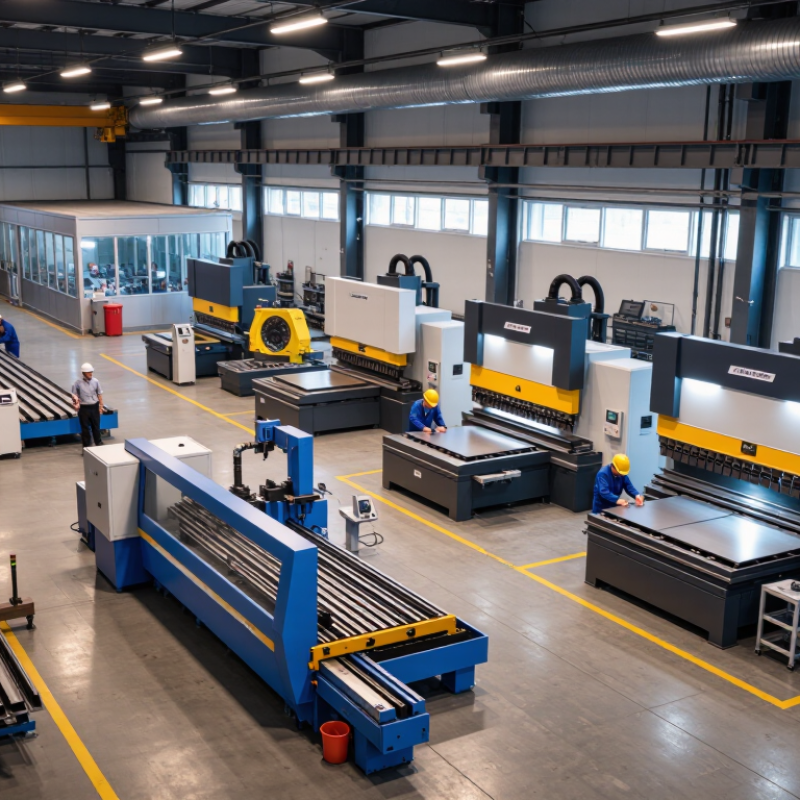
China Top 10 Steel Fabrication Equipment Manufacturers?

What Is Steel Fabrication Equipment?

Steel fabrication equipment is the machinery used to cut, shape, join, and inspect steel components. It turns raw plates, tubes, and sections into frames, beams, tanks, and structural parts. Common equipment includes plasma or laser cutters, plate rolling machines, press brakes, drilling lines, welding systems, shot-blasting units, and lifting devices. Each machine handles a specific stage of production. Some workshops combine several stages in one automated line.

In practical work, accuracy matters more than impressive specifications. A cutting machine should maintain stable dimensions across long production runs. A welding system needs consistent heat control and accessible maintenance points. Measuring tools, such as laser trackers and coordinate systems, help verify holes, angles, and weld positions. Safety guards, emergency stops, operator training, and documented inspections also deserve attention. They are not decorative features.

When comparing China’s top ten steel fabrication equipment manufacturers, buyers should examine machine capacity, material compatibility, software support, spare-part access, and service response. A fast machine may still create delays if setup is complicated. A low purchase price can become expensive after frequent adjustments. This is where evaluations often become imperfect. Factory demonstrations may use ideal materials and experienced operators. Real production includes worn tools, uneven plates, and rushed schedules. Reliable decisions require test pieces, clear acceptance criteria, and honest questions about long-term performance.

How China’s Top Manufacturers Are Evaluated

China’s top steel fabrication equipment manufacturers are evaluated through evidence, not polished catalogues. A serious assessment begins with factory experience, engineering depth, and repeatable production methods. Reviewers inspect cutting accuracy, bending force, welding consistency, and machine stability under continuous workloads. They also examine documented quality systems and relevant safety certifications.

Real production details matter. A factory should explain how it controls raw material traceability, calibration records, and final inspection. Visitors may check laser-cut edges, measure plate thickness, and review test reports beside operating machines. Skilled technicians should describe maintenance intervals without relying on vague claims. Delivery performance, spare-part availability, installation support, and operator training also affect the evaluation.

Numbers can mislead.

A supplier may show impressive output but provide limited evidence from comparable projects. Independent customer references, warranty terms, and transparent corrective-action records offer stronger proof. Financial stability matters because equipment support may continue for many years. No scorecard is perfect; a quiet factory visit can hide seasonal production problems. Evaluators should compare several sites, request consistent data, and record weaknesses as carefully as strengths. Practical performance usually reveals more than promotional language.

China’s Top 10 Steel Fabrication Equipment Manufacturers

China’s Top 10 Steel Fabrication Equipment Manufacturers

China’s top 10 steel fabrication equipment manufacturers are often evaluated through production capability, engineering experience, and after-sales reliability. The strongest companies usually design equipment for cutting, bending, welding, drilling, and automated material handling. Their workshops may include CNC machining centers, laser inspection tools, and full-load testing areas. These details matter on a busy fabrication floor.

A dependable manufacturer should provide clear technical drawings, safety documentation, and traceable quality records. Buyers should inspect weld consistency, hydraulic stability, control accuracy, and spare-part availability. Site visits can reveal more than polished brochures. Ask to observe a machine processing thick plate under normal conditions. This is practical evidence.

The top ten should also show experience with bridges, industrial frames, storage systems, or heavy machinery components. Engineers who understand steel grades and fabrication tolerances can recommend better machine configurations. However, no supplier fits every project. Some companies may offer excellent automation but weaker local service. Others may provide flexible customization but longer delivery times. That trade-off deserves careful review.

Independent inspections, customer references, and trial production can reduce purchasing risks. Test results should include cutting precision, repeatability, energy use, and operating noise. Even careful evaluations have limits. Factory conditions may not fully represent long-term use. Buyers should request realistic samples before approving equipment for continuous production.

Key Equipment, Technologies, and Industry Applications

China’s steel fabrication equipment market serves construction, bridges, energy, shipbuilding, and heavy machinery. The World Steel Association reported global crude steel production at about 1.89 billion tonnes in 2023. That volume keeps demand strong for reliable cutting, forming, welding, and surface-treatment systems.

Key equipment includes CNC plasma and fiber-laser cutters, plate bending machines, drilling lines, robotic welding cells, shot-blasting units, and automated material-handling systems.

CNC cutting improves hole alignment and reduces manual marking. Press brakes control forming angles through programmable back-gauging. Robotic welding supports repeatable seams, but skilled technicians still correct fit-up problems. Small gaps matter.

The International Federation of Robotics reported more than 500,000 industrial robots installed worldwide in 2023. Steel fabricators increasingly connect robots with sensors, digital production tracking, and welding-quality records. Industry 4.0 systems can monitor torch speed, heat input, machine downtime, and plate movement. The International Energy Agency also identifies energy efficiency as a major industrial priority, making efficient drives and optimized cutting paths commercially important.

Real projects expose weaknesses. A machine may meet its catalog accuracy yet struggle with warped plate, dust, or unstable power. Fabricators should verify tolerances through sample production, maintenance records, operator training, and independent acceptance testing.

The ISO 3834 quality framework remains useful for assessing welding-process control. Automation helps, but it does not replace judgment. Sometimes, the most expensive error is trusting a perfect specification.

How to Select the Right Chinese Manufacturer

China Top 10 Steel Fabrication Equipment Manufacturers?

How to Select the Right Chinese Manufacturer

Choosing a Chinese steel fabrication equipment manufacturer requires more than comparing prices. Start with your project requirements, including steel thickness, production speed, tolerance, power supply, and workshop space. Ask for machine drawings, component specifications, and documented testing procedures. A capable manufacturer should explain these details clearly, not hide behind general promises. Request recent customer references and inspect similar equipment through video calls or an approved third-party visit.

Experience matters in practical ways. Ask how the manufacturer handles welding distortion, hydraulic failures, software updates, and spare-part delays. Check whether technicians can provide installation training and remote troubleshooting in your language. Review quality records, material certificates, factory inspection reports, and conformity documents for your destination market. Confirm payment stages, delivery terms, packaging methods, and warranty responsibilities in writing. Small gaps here can become expensive later.

Do not judge a factory by polished photographs alone. I have seen impressive demonstrations that did not reflect continuous production conditions. Request a long-run test using material similar to yours. Measure output consistency, noise, surface finish, and operator safety during the test. A supplier may admit a limitation; that honesty can be valuable. Still, verify every important claim independently. The lowest quotation may exclude tooling, commissioning, training, or replacement parts. Leave room for revision. Your first specification may not be perfect, especially after seeing the equipment operate.