How to Choose the Best Sheet Metal Plate for Your Projects?
Choosing the right Sheet Metal Plate can significantly impact your project’s success. It's essential to consider various factors before making a selection. The right material affects durability, cost, and functionality. A quality sheet metal plate can withstand wear and tear, while a poor choice may lead to failure.
Think about the specific requirements of your project. Factors like thickness, size, and material type play a crucial role in performance. For example, aluminum is lightweight and resistant to corrosion, while steel offers strength and durability. Each material varies in cost and availability, making it vital to choose wisely.
Don't overlook the importance of reputable suppliers. High-quality sheet metal plates often come from reliable sources. Assessing reviews and seeking expert advice can guide you effectively. Remember, a well-chosen sheet metal plate enhances safety and longevity in your designs. Reflecting on your choices ensures better results and helps avoid costly mistakes.
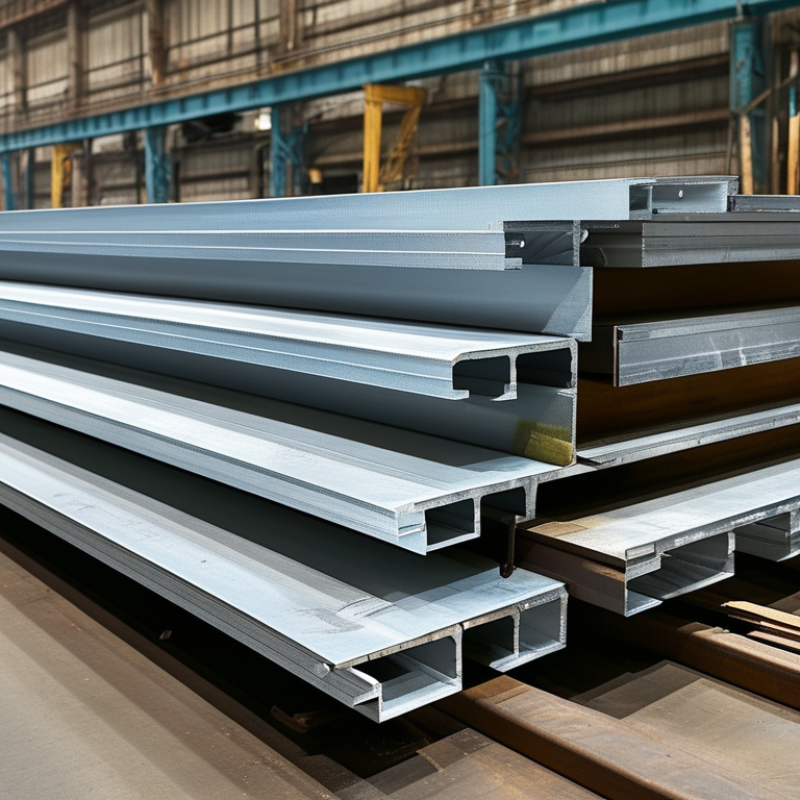
Understanding Different Types of Sheet Metal Plates Available
When selecting sheet metal plates for various projects, it's vital to understand the diverse types available. Common types include aluminum, stainless steel, and mild steel. Aluminum is lightweight and resistant to corrosion. Reports show that it retains about 90% of its strength even at low temperatures. Stainless steel provides excellent strength and durability, making it ideal for harsh conditions. Notably, 70% of industries prefer stainless steel for their structural needs due to its long lifespan.
Additionally, mild steel is often favored for its cost-effectiveness and ease of fabrication. It's commonly used in construction projects. According to industry analysis, approximately 60% of sheet metal fabrication uses mild steel due to its availability and adaptability. However, while these materials offer advantages, the wrong choice can lead to structural failures or increased costs. Selecting a material that aligns with the specific project’s requirements is crucial.
Understanding the properties of each type ensures informed decision-making. Each metal behaves differently under stress and environmental conditions. Consulting material databases and industry reports can mitigate risks. It's also essential to consider factors like weight, fabrication method, and finish. Gathering input from seasoned professionals can provide valuable insights as well. Ignoring these elements may result in costly mistakes.
Factors to Consider When Selecting Sheet Metal for Your Project
Choosing the right sheet metal plate can significantly impact your project's outcome. When selecting sheet metal, consider the purpose first. Different applications demand different properties. For example, higher corrosion resistance may be vital for outdoor projects. On the other hand, if the metal will be painted or coated, more malleable options could work better.
Thickness is another crucial factor. Thicker plates offer more durability but can be harder to work with. If ease of fabrication is a concern, you might lean toward thinner options. However, thinner materials may not hold up in demanding conditions. A careful balance between strength and ease is essential.
Consulting with experts in the field can provide invaluable insights. Their experience can guide you in the right direction. Think about your specific application and the environment too. This may change your material choice. Ultimately, recognizing your project's unique needs leads to better decisions in selecting the ideal sheet metal.
Evaluating the Thickness and Strength Requirements of Sheet Metal
When selecting sheet metal for your projects, thickness and strength are vital factors. The gauge of the metal influences its durability and performance. Thicker sheets offer greater strength but can be more challenging to work with. A balance between these attributes is fundamental.
Consider the specific application of the sheet metal. For structural components, higher strength may be necessary to withstand loads. In contrast, if the metal will be used for decorative purposes, a thinner gauge might suffice. It’s essential to assess the environment as well. Corrosive conditions demand materials with higher resilience.
Reflecting on your project’s demands is key. Overestimating strength needs can lead to increased costs and unnecessary weight. Conversely, underestimating can result in failures and safety hazards. The choice of thickness directly relates to the project’s long-term success. Prioritize careful evaluation of conditions and requirements to ensure optimal results.
Thickness and Strength Requirements of Sheet Metal
Exploring Common Applications and Uses of Sheet Metal Plates
Sheet metal plates find extensive applications across various industries due to their versatile properties. One of the primary uses is in the automotive sector, where components such as body panels and brackets are crucial. According to a recent industry report, the global automotive sheet metal market is expected to grow at a CAGR of 4.5% from 2023 to 2030. This growth highlights the essential role of sheet metal in manufacturing durable and lightweight components.
In the construction industry, sheet metal plates are often used for roofing, cladding, and structural support. A study published by the International Journal of Steel Structures estimates that about 30% of modern buildings incorporate some form of sheet metal. This adaptability is particularly valuable, yet it's worth noting that not all applications prioritize the same material properties. For example, some constructions may focus more on aesthetics than strength, sometimes leading to mismatched expectations.
The electronic sector increasingly relies on sheet metal for enclosures and heat sinks. Effective thermal management is critical in high-performance devices. However, while choosing materials, engineers often face a dilemma between cost and quality. Data indicates that subpar choices can result in overheating issues, prompting a reassessment of design criteria. Balancing these factors remains a challenge in various applications of sheet metal plates.
How to Choose the Best Sheet Metal Plate for Your Projects?
| Material Type | Thickness (mm) | Common Applications | Advantages | Disadvantages |
| Aluminum | 1.5 | Aerospace, automotive, construction | Lightweight, corrosion-resistant | Lower strength compared to steel |
| Steel | 2.0 | Construction, machinery, automotive | High strength, durability | Susceptible to rust without coating |
| Stainless Steel | 1.0 | Food processing, chemical environments, architecture | Corrosion resistance, aesthetic appeal | Higher cost compared to other metals |
| Copper | 0.8 | Electrical applications, plumbing, roofing | Excellent conductivity, antimicrobial properties | Expensive, can tarnish |
Assessing Cost-Effectiveness and Supplier Options for Sheet Metal
Choosing the right sheet metal plate requires careful consideration of cost-effectiveness and the suppliers you engage with. Start by analyzing your budget. Metal prices fluctuate frequently, influenced by market demand and raw material availability. A tight budget may limit your options, but finding affordable suppliers can alleviate some of this pressure.
When assessing suppliers, review their reputation and reliability. Read customer reviews and seek recommendations from industry peers. A supplier with proven experience in your application area can save you time and money. Sometimes, cheaper options may compromise quality, resulting in increased costs over time due to repairs or replacements.
Evaluate shipment timelines and customer service responsiveness. Delayed shipments can hinder your project schedule. A supplier who communicates effectively will provide peace of mind. Remember, refining your choices takes time. Consider ordering samples to test quality before committing to larger orders. This method may seem tedious but ultimately leads to smarter purchasing decisions.