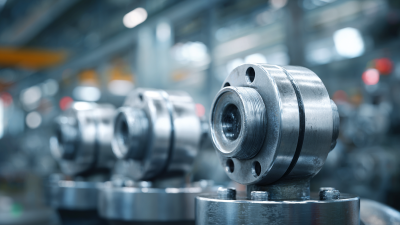
Choosing China’s best Pressure Valves suppliers requires more than comparing online prices. A reliable supplier should understand pressure ratings, media compatibility, temperature changes, flow requirements, and installation conditions. Valve specialist David W. Spitzer has emphasized, “Good selection begins with knowing the process, not the catalog.” This principle matters when a valve controls steam, corrosive chemicals, clean water, or compressed air.
Look for manufacturers with documented experience in your industry. Review their factory capabilities, engineering team, material certificates, and inspection procedures. Useful evidence includes hydrostatic test reports, pressure-test records, ISO certifications, and traceable serial numbers. Ask whether the supplier performs seat leakage testing and dimensional inspection before shipment. Small details matter. A poorly finished sealing surface can create costly leakage after installation.
The strongest suppliers communicate clearly. They confirm drawings, connection standards, actuator requirements, delivery schedules, and spare-parts support. Their engineers should explain why stainless steel, carbon steel, alloy steel, or special lining suits your application. They should also discuss failure risks honestly. No supplier is perfect. That is worth remembering. A polished website cannot replace technical proof.
This guide examines how to compare Chinese Pressure Valves manufacturers through practical experience, engineering competence, quality control, and customer reliability. It also considers factory audits, sample evaluation, communication habits, and after-sales service. A low quotation may look attractive, but an unsuitable valve can increase downtime, maintenance costs, and safety concerns. The better choice is the supplier that can prove performance before the order, not merely promise it afterward.
Start with the medium. Is it water, steam, oil, gas, or a corrosive chemical? The answer affects body material, seal selection, pressure rating, and internal design. A valve for clean water may fail quickly in a high-temperature chemical line. That mistake is more common than expected.
Define the operating pressure, temperature range, flow rate, and pipe size before contacting suppliers. Decide whether you need a safety valve, relief valve, reducing valve, or control valve. Each type solves a different problem. Also specify the connection method, such as threaded, flanged, or welded. Small details matter.
Consider the system’s real working conditions, not only its normal values. Pressure surges, vibration, frequent cycling, and outdoor exposure can change the selection. I have seen projects use the maximum pressure as the only reference. That approach is incomplete. Ask suppliers for pressure-temperature charts, material certificates, test records, and inspection procedures. Confirm whether the valve supports manual, pneumatic, or electric operation. Fail-safe behavior should be clearly defined.
A capable supplier should ask technical questions before offering a price. Their engineers need to understand the pipeline, installation position, maintenance access, and required service life. Request drawings and sample specifications for review. Do not accept vague claims. Verify dimensions, applicable standards, delivery controls, and after-sales response in writing. Sometimes, the cheapest valve fits the quotation but not the process. That difference deserves careful reflection.
Choosing China’s best pressure valve suppliers begins with qualification, not price. A reliable factory should provide a valid quality management certificate and relevant pressure equipment credentials. Check the certificate number, scope, issuing body, and expiration date. Do not accept a scanned logo as evidence. Ask whether the certificate covers the actual valve models and production site. This detail often exposes weak supplier screening.
Technical competence appears in material control, design review, and pressure testing. Request heat numbers, material certificates, inspection plans, and test records for each batch. These records should match the valve body, trim, pressure rating, and serial number. A qualified supplier can explain test pressure, duration, leakage limits, and calibration status. Visit the workshop when possible. Look for marked storage areas, controlled assembly, clean test benches, and trained inspectors. I once trusted polished documents too quickly; the production floor revealed inconsistent labeling. That mistake changed my audit checklist.
Supplier reliability also depends on traceability after shipment. Review sample drawings, change-control procedures, warranty terms, and corrective-action reports. Confirm export packaging, spare-part support, and response times in writing. Independent inspection can verify dimensions, materials, and valve function before delivery. It adds cost, but it may prevent expensive downtime. Ask for references from similar industries and check them independently. A supplier may pass one audit and still need closer monitoring.
Choosing China’s best pressure valve supplier starts with evidence, not catalog size. The 2024 MarketsandMarkets Industrial Valves Market report estimates global demand at USD 78.4 billion in 2024, reaching USD 91.7 billion by 2029. That growth increases supplier competition. It also increases purchasing risk.
Compare products against service conditions, not photographs. Check pressure class, temperature range, flow coefficient, leakage rate, actuator compatibility, and maintenance access. For seawater or chemical service, duplex stainless steel may outperform standard stainless steel. For steam, properly treated alloy steel can be more suitable. Request material certificates, positive material identification, heat-treatment records, and pressure-test reports. ISO 5208, API 6D, and ASME B16.34 provide useful benchmarks. Still, certificates alone are not proof of consistent production.
Manufacturing capability deserves a physical or video audit. Examine forging or casting control, CNC machining, welding procedures, non-destructive testing, calibration systems, and batch traceability. The IEA’s World Energy Investment 2024 report forecasts global energy investment above USD 3 trillion, creating demand for reliable flow-control equipment. A supplier serving complex projects should explain how it handles design changes and failed tests. Ask for sample inspection records. Small details matter. One uncomfortable lesson is that a polished factory tour may hide weak subcontractor control. Verify who actually makes the body, trims, seals, and actuators. Pricing should come after this comparison, not before it.
How to Choose China’s Best Pressure Valve Suppliers?
A capable supplier should show more than polished photographs and low quotations. Ask for material certificates, pressure test records, and traceability from casting to final inspection. Quality control should include hydrostatic testing, seat leakage checks, dimensional inspection, and calibration records. Request a sample report with serial numbers and test dates. Real evidence matters.
Certifications need careful review. Confirm the certificate scope, issuing body, factory address, and expiration date. Standards may cover design, materials, welding, or testing, but not everything at once. Pricing should include valve type, pressure class, end connection, actuator options, packaging, and replacement parts. A cheap quote may exclude inspection or export packaging. Delivery promises also deserve proof. Check production capacity, lead time, port arrangements, and photos of packed goods. I once saw a “ready” order delayed because one small gasket was unavailable. That detail changed the schedule.
Tips: Send a clear specification sheet. Compare equivalent configurations, not only unit prices. Ask for a pre-shipment inspection and live test video. Keep communication records. If answers remain vague, pause before paying. A supplier’s response to a small technical question often reveals its real expertise. Perfect assurance is rare, so leave time for unexpected corrections.
This procurement model assigns the highest weight to quality control because pressure valves must meet performance, safety, and durability requirements. Certifications verify compliance with applicable standards, while pricing and delivery should be evaluated together with technical capability and production reliability. The percentages represent a practical supplier-selection weighting rather than data from any specific company or brand.
Choosing China’s best pressure valve supplier requires more than comparing price and flow ratings. Technical support should be tested before purchase. Ask for pressure-temperature charts, material certificates, valve sizing calculations, and inspection records. A capable engineer should explain cavitation risk, sealing limits, and actuator compatibility in clear language. If answers arrive as copied files, reconsider.
The ISO Survey reports more than one million ISO 9001 certificates in China. Certification is useful evidence, but it does not prove field competence. Request a sample quality plan, serial-number traceability, and a factory acceptance test procedure. Discuss how the supplier handles leakage, vibration, or incorrect installation. Their response matters more than polished brochures. Sometimes, the uncomfortable answer is the honest one.
Communication also predicts long-term reliability. The World Bank’s 2023 Logistics Performance Index gave China an overall score of 3.7 out of 5. Delays can still occur, especially with customized valves. Agree on response times, spare-part availability, drawing revisions, and escalation contacts before signing. A written service-level agreement reduces ambiguity. Check two or three overseas references, and ask about failures, not only successful deliveries. Keep records. Trust, without evidence, is only a feeling.
| Evaluation Dimension | What to Verify | Practical Acceptance Criteria | Recommended Evidence | Weight |
|---|---|---|---|---|
| Pressure and Temperature Suitability | Whether the valve design matches the medium, pressure class, temperature range, and operating cycle. | Supplier confirms pressure rating, temperature limits, body material, seat material, and applicable service conditions before quotation. | Technical datasheet, pressure-temperature chart, material specification, and completed application questionnaire. | 15% |
| Technical Support Capability | Availability of engineers who can assist with sizing, material selection, actuation, and installation requirements. | A technical response is provided within one business day for standard questions and includes calculations or clear selection logic when required. | Sample sizing calculation, engineering organization chart, product drawings, and technical Q&A records. | 15% |
| Applicable Standards and Certification | Compliance with the standards required for the destination market and application. | Certificates are current, traceable to the supplied product, and relevant to the valve type and end-use industry. | Valid certificates, test reports, conformity declarations, and standard references shown on drawings and datasheets. | 12% |
| Quality Control and Testing | Controls covering incoming materials, machining, assembly, pressure testing, and final inspection. | Each valve is inspected and pressure-tested according to the agreed specification before shipment. | Inspection and test plan, hydrostatic or pneumatic test records, calibration certificates, and nonconformance procedure. | 15% |
| Material Traceability | Ability to trace pressure-retaining materials and critical components to production records. | Heat numbers, batch records, and inspection documents can be linked to the valve serial number or purchase order. | Material certificates, serial-number system, marking photographs, and traceability samples with sensitive information removed. | 8% |
| Communication Efficiency | Clarity, speed, language capability, and consistency of commercial and technical communication. | Quotation, drawings, deviations, and delivery updates are documented clearly, with response times agreed in advance. | Response-time log, sample quotation, marked-up drawing, communication protocol, and named project contact. | 10% |
| Lead Time and Delivery Control | Production capacity, material availability, inspection scheduling, and export documentation process. | Supplier provides a realistic schedule with approval milestones and communicates any delay before it affects the project. | Production schedule, capacity statement, delivery performance records, packing list, and shipping-document checklist. | 8% |
| Customization and Engineering Change Control | Ability to handle non-standard dimensions, materials, actuators, coatings, and connection requirements. | All deviations are approved in writing, and revised drawings are issued before production begins. | Engineering change procedure, revision-controlled drawings, approval records, and prototype or sample inspection report. | 6% |
| Warranty and After-Sales Service | Defined warranty coverage, spare-parts support, troubleshooting process, and handling of nonconforming products. | Warranty terms are written, exclusions are clear, and corrective-action responsibilities are defined before purchase. | Warranty statement, spare-parts list, service workflow, complaint-response procedure, and corrective-action example. | 6% |
| Long-Term Reliability | Evidence of stable manufacturing, repeatable quality, replacement-part availability, and continuous product support. | Supplier demonstrates documented quality performance and can support identical or compatible parts throughout the expected service life. | Audited quality records, service-life or cycle-test data, product revision history, spare-parts policy, and customer references under confidentiality. | 5% |
| Total Evaluation Weight | 100% | |||