How to Choose the Right Filter Cartridge for Your Needs?
Choosing the right filter cartridge is crucial for optimal performance in any filtration system. A high-quality filter cartridge enhances the efficiency of your water or air filtration, ensuring you receive clean, safe resources. However, with a wide range of options available, making a decision can be challenging.
Many factors influence the choice of the right filter cartridge. The type of contaminants you want to remove plays a significant role. Additionally, considering the flow rate and the specific application requirements is essential. Some users may feel overwhelmed by the options, leading to decisions that don’t meet their needs. It’s important to research and understand your unique filtration demands.
Don't underestimate the importance of source quality. Consult experts or reliable resources to gain insights. Different brands offer varying levels of expertise and technology. Some filter cartridges might claim high efficiency yet fall short in real-world applications. Taking the time to evaluate your options can lead to better outcomes.
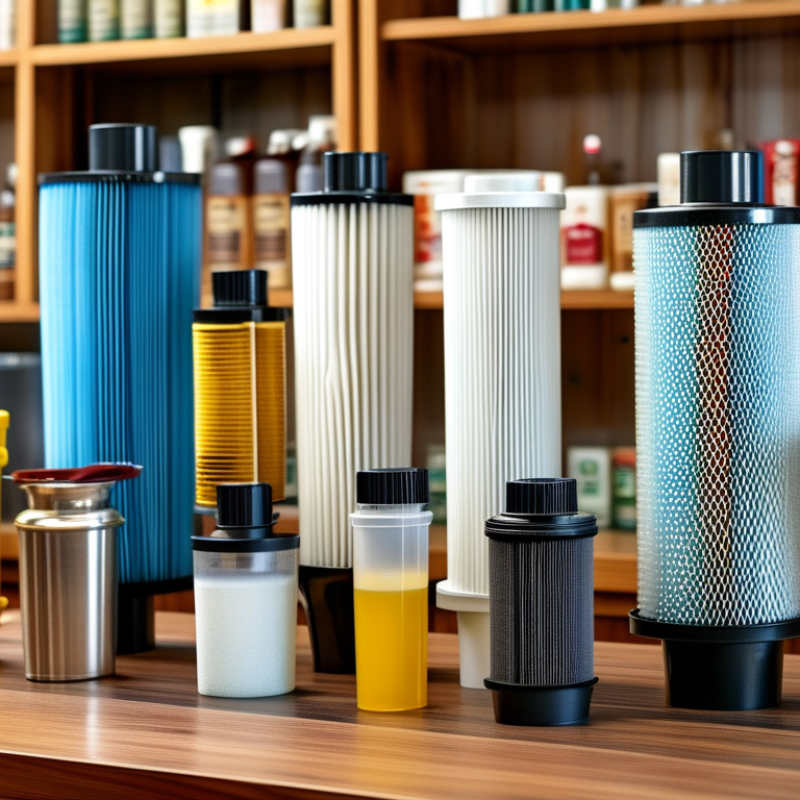
Understanding Different Types of Filter Cartridges Available
When selecting a filter cartridge, understanding the various types available is crucial. Different applications require distinct cartridges. Sediment filters are commonly used to remove dirt and rust from water. These are often the first line of defense in water filtration systems. They can protect other filter types from getting clogged too quickly.
Activated carbon filters excel in removing chlorine and improving taste. They are widely used in home water purification systems. However, they may not effectively eliminate all contaminants. This could lead to unanticipated issues. For more advanced needs, consider reverse osmosis filters. They offer comprehensive filtration, but they can be costly and waste water.
Each type has its strengths and weaknesses. Selecting the right cartridge involves weighing these factors against your specific needs. Ignoring important details can lead to poor decisions. Research extensively and consult experts when choosing. A small oversight can affect water quality significantly.
Assessing Your Water Quality and Contaminants to Address
When choosing a filter cartridge, the first step is to assess your water quality. Testing water for contaminants is crucial. According to the Environmental Protection Agency (EPA), over 10% of Americans drink water that does not meet safety standards. Common contaminants include lead, chlorine, and bacteria. Identifying these elements can guide your choice of filter.
Once you know what’s in your water, it’s important to match that with the right filter type. Specialized filters can target specific contaminants. For example, activated carbon filters excel at removing chlorine and volatile organic compounds (VOCs). However, these might not be effective against heavy metals. In a 2021 report from the Water Quality Association, nearly 70% of surveyed homeowners reported confusion about which filters adequately addressed their water issues.
Finding reliable data is essential. While many water testing kits are available, their effectiveness can vary. Some may lack precision or overlook key contaminants. To ensure quality, choose kits certified by credible organizations. Inconsistent testing could lead to poor filter choices, affecting your water quality and health. Understanding your water better allows for informed decisions, paving the way for healthier living.
Factors to Consider When Choosing a Filter Cartridge Size
Choosing the right filter cartridge involves several key factors. Understanding the size is crucial for effective filtration. The cartridge size will determine how well it fits into your existing filtration system. If the size is not accurate, it may lead to leaks or insufficient filtering.
Consider the flow rate needed for your application. A smaller cartridge might not handle high flow rates efficiently. This could result in reduced performance and longer filtration time. In contrast, a larger filter might be unnecessary for low-demand situations. Evaluating your specific needs helps in selecting the ideal size.
Think about the contaminants you are targeting. Different sizes can trap various particles effectively. A larger surface area often means better filtration but could also mean increased maintenance. Regularly check the condition of your cartridge. Sometimes, what seemed perfect at first might lead to unexpected challenges down the line. Adjust your choices based on experience and performance feedback.
How to Choose the Right Filter Cartridge for Your Needs?
| Filter Type | Application | Material | Micron Rating | Size (inches) |
| Pleated Cartridge | Water Filtration | Polyester | 5 Microns | 10 x 2.5 |
| Carbon Block | Taste and Odor Removal | Activated Carbon | 1 Micron | 10 x 2.5 |
| String Wound | Sediment Filtration | Polypropylene | 10 Microns | 20 x 4.5 |
| UF Membrane | Water Purification | Polymeric | 0.01 Microns | 10 x 2.5 |
Evaluating Material Compatibility for Your Filter Cartridge Needs
When selecting a filter cartridge, material compatibility plays a pivotal role in performance. Research indicates that over 70% of filtration failures are linked to improper material selection. For example, if a filter cartridge is made from materials that react negatively with the fluid being filtered, it can lead to contamination and compromised efficiency.
Choosing the right material is not always straightforward. For instance, polypropylene and polyester are common choices for diverse applications. However, their suitability depends on the specific fluids involved. Polypropylene performs well in acidic environments, while polyester is more versatile but may degrade in strong solvents. Understanding the chemical properties of filter materials is essential.
In industrial settings, trials often reveal gaps in material compatibility knowledge. A significant percentage of operators mistakenly believe that all filters can handle a wide variety of substances. This misconception could lead to equipment downtime and increased operational costs. Industry reports suggest that regular training on material specifications and compatibility can enhance decision-making, fostering a more reliable filtration system.
Maintenance and Replacement Guidelines for Filter Cartridges
Choosing the right filter cartridge is crucial for maintaining clean water. Regular maintenance ensures effectiveness and longevity. According to a report by the Water Quality Association, improper filter cartridge maintenance can reduce filtration efficiency by up to 40%. Thus, understanding replacement guidelines is essential.
Filter cartridges should be replaced based on usage and type. For instance, sediment filters often need replacement every 6-12 months. In contrast, carbon filters may last 12-24 months. Regularly inspecting filters can prevent unexpected contaminants. Minor issues might indicate a more significant problem, calling for a thoughtful assessment.
Ignoring replacement schedules can lead to water quality issues. Research suggests that a delay in replacing cartridges may result in harmful bacteria growth. Industry standards recommend routine checks every three months. This practice helps maintain optimal function and protects your health. Being proactive can save time and resources in the long run.