How to Choose the Best Automatic Valves for Your Needs?
Choosing the right automatic valves is crucial for efficiency and safety. These devices are integral to various industries, impacting fluid control directly. With numerous options available, selecting the best fit can be challenging.
Automatic valves come in different types and sizes. Each type serves specific applications, from water management to industrial processes. Considerations include the medium being controlled, flow rate, and environmental factors. This complexity can create confusion for those without extensive knowledge.
Reflecting on these choices is essential. Sometimes, what seems like the best option may not suit particular needs. Unforeseen challenges might arise if you overlook key specifications or application requirements. Hence, careful evaluation of automatic valves is necessary to ensure reliability and effectiveness in your system.
Understanding Automatic Valves: Types and Functions
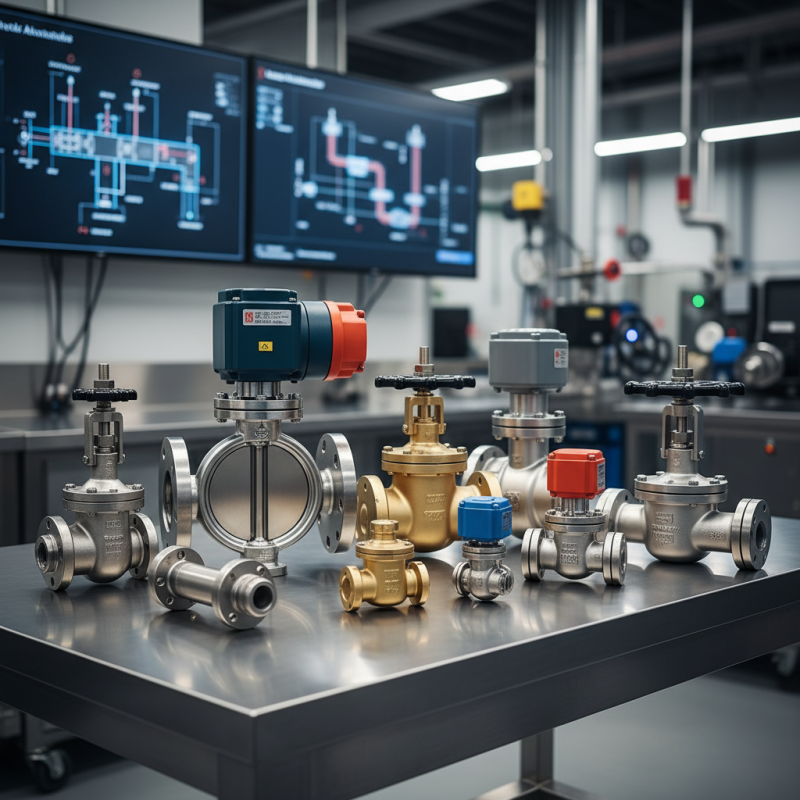
Automatic valves play a critical role in various industries, controlling fluid flow efficiently. Understanding their types and functions is essential when making a choice. The two primary categories are electrically actuated and pneumatically actuated valves. Each serves distinct functions based on the application. For instance, electrically actuated valves are often preferred in tighter spaces due to their compact size. Data from industry reports highlight that electric valves dominate around 60% of the market value due to increased automation.
When selecting an automatic valve, consider the fluid type and pressure. Valve materials must be compatible to prevent leaks or corrosion. For example, stainless steel is commonly used for water and chemical applications. A report by the International Society of Automation states that proper material selection can improve valve lifespan by as much as 30%. This insight suggests that overlooking materials can lead to costly replacements.
Tip: Regular maintenance is crucial. Even the best automatic valves can fail without proper care. Inspect seals and actuators periodically. Lastly, consider environmental factors. Temperature and humidity can affect valve performance. Adapting designs to specific conditions ensures better reliability in operations.
How to Choose the Best Automatic Valves for Your Needs?
| Type of Valve |
Function |
Applications |
Advantages |
| Ball Valve |
On/Off control |
Water supply, heating systems |
Durable, low friction, quick operation |
| Gate Valve |
On/Off control |
Main pipelines, oil and gas |
Minimal pressure drop, good flow regulation |
| Globe Valve |
Flow regulation |
Cooling systems, fuel systems |
Good throttling performance |
| Check Valve |
Prevent backflow |
Pumps, hydro systems |
Automatic operation, prevents damage |
| Solenoid Valve |
Automated on/off control |
Irrigation, washing machines |
Fast response, compact design |
Key Considerations for Selecting Automatic Valves
When selecting automatic valves, several key factors come into play.
Material compatibility is vital. Different environments require specific materials to ensure longevity.
For example, corrosive liquids demand robust materials like stainless steel. Ensure the valve resists the medium it will control.
Next, consider the valve's size and flow characteristics. An improperly sized valve may lead to inefficient flow rates.
Using a valve that’s too small can cause pressure loss, while one that’s too large may result in pulsation and noise.
Flow rate calculations help determine the ideal valve size.
Another essential aspect is the control method. Automatic valves can be operated electronically or pneumatically.
Each type offers distinct advantages and limitations. For instance, electric control is precise but may require more maintenance
compared to pneumatic options. Think about your system's specific needs before deciding. Having a clear understanding of these aspects will guide you toward the best choice for your applications.
Evaluating Materials and Durability of Automatic Valves
When selecting automatic valves, evaluating materials and durability is crucial. Automatic valves are subjected to various pressures and temperatures. Therefore, the materials used must withstand the specific environment in which they operate. According to a recent industry report, 70% of valve failures are due to material deficiencies. Understanding the properties of materials like stainless steel, PVC, and brass can help in making informed decisions.
Stainless steel, known for its strength and corrosion resistance, is often preferred for harsh conditions. On the other hand, PVC is lightweight and cost-effective, suitable for lower-pressure applications. Each material has its advantages and should be matched with the application it serves. A balance between cost, longevity, and performance is vital for overall efficiency.
Tips: Always review manufacturer data sheets. Look for documented service life and stress tests. Seek valves that meet or exceed industry standards. Use this information to inform your decision and ensure reliability. Remember, not all materials suit every application. Experimentation and careful evaluation lead to the best outcomes in valve selection.
Assessing Flow Control Requirements and Specifications
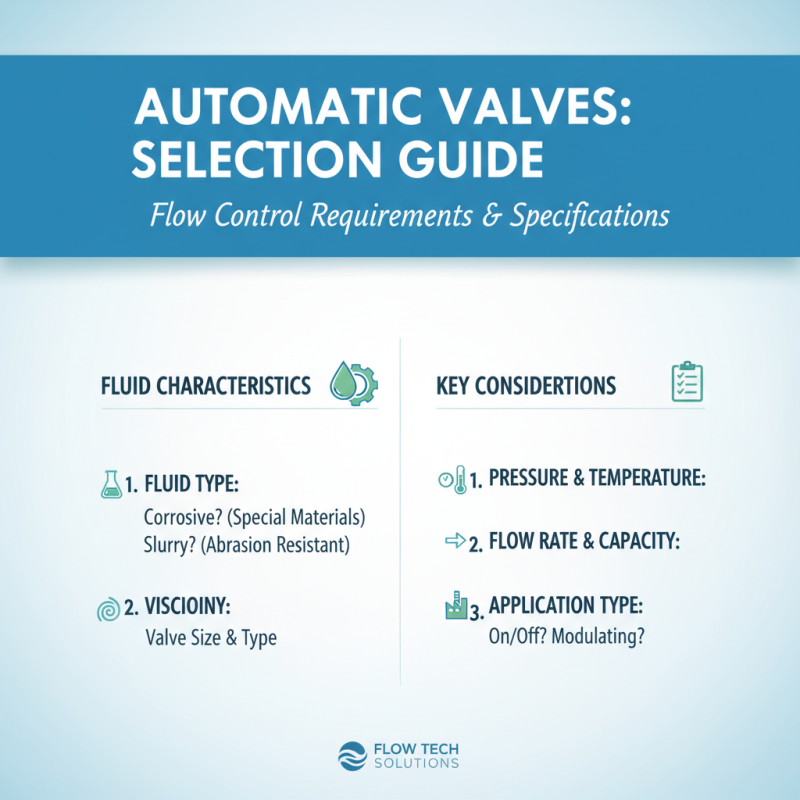
Choosing the right automatic valves requires careful consideration of flow control requirements and specifications. Understanding the type of fluid involved is crucial. Different fluids have varying characteristics. For instance, corrosive liquids need special materials to withstand degradation. Assessing the viscosity helps determine the necessary valve size and type.
Next, consider the pressure and temperature conditions of your application. High-pressure systems demand valves designed for intense environments. Operating temperature also influences material selection and valve performance. Users often overlook these factors, leading to failures or inefficiencies. A comprehensive evaluation of these specifications will enhance reliability.
Lastly, think about the control method you need. Some applications require precise flow regulation, while others may only need on/off functionality. Automatic valves offer diverse options, such as electric, pneumatic, or hydraulic actuation. Researching these technologies thoroughly can prevent expensive mistakes. Remember, it’s essential to match your needs with the right specifications and materials for optimal performance.
Maintenance and Installation Tips for Automatic Valves
When selecting automatic valves, maintenance and installation are critical. Regular inspections can enhance longevity and performance. According to a report from the International Journal of Engineering Research, well-maintained valves can last 20-30% longer than neglected ones. Simple cleaning and lubrication help prevent corrosion and build-up.
Installation is equally important. Choosing the right piping sizes and layouts can reduce stress on the valves. A survey from the American Society of Mechanical Engineers indicates that improper installation can lead to a dramatic increase in failure rates. It's vital to follow manufacturer guidelines meticulously during installation to avoid mistakes.
Consider the environment where the valves will operate. High temperatures or corrosive materials can affect valve performance. Each application is unique, and understanding these details is essential for success. Overlooking these factors can lead to unexpected issues and higher costs.
Pressure Ratings of Automatic Valves
This chart represents the pressure ratings of different sizes of automatic valves, showcasing how the valve size affects its pressure rating. As the size of the valve increases, so does its capacity to handle higher pressure ratings, which is crucial for proper functionality in various applications.