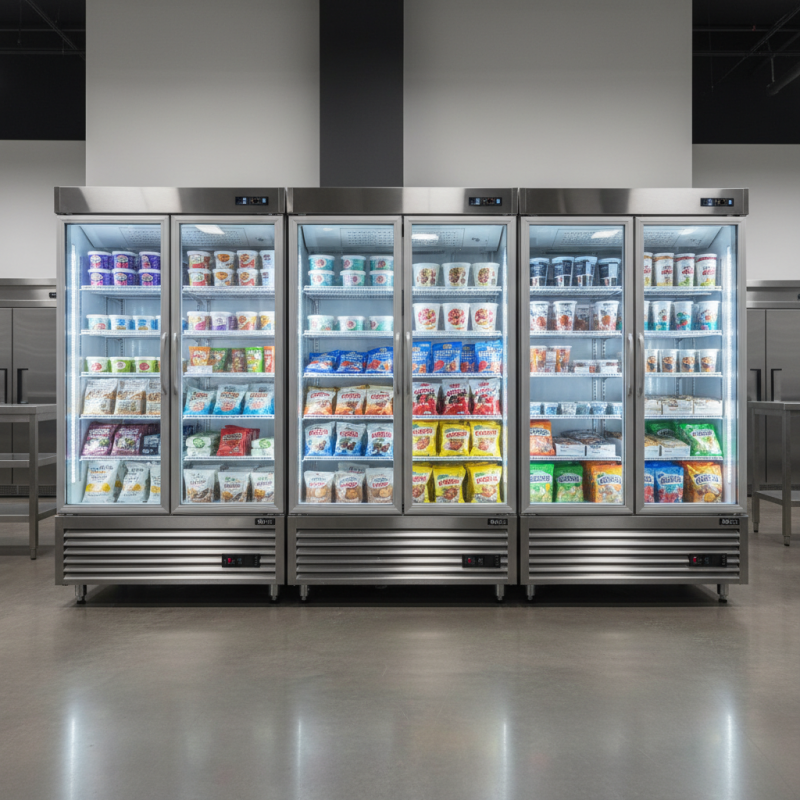
How to Choose the Best Glass Door Freezers for Your Business?
Choosing the best Glass Door Freezers for your business is crucial. These freezers can enhance visibility and improve product sales. They allow customers to view items without opening the door, maintaining optimal temperatures.
When selecting a Glass Door Freezer, consider size and capacity. A larger unit may be needed for high-demand products. Energy efficiency is also important; it affects operational costs. Look for models with LED lighting for better visibility and reduced energy use.
Quality and durability should not be overlooked. Some freezers may wear down quickly under heavy use. Check for warranties and guarantees before making a decision. It’s essential to reflect on the needs of your business and invest wisely. Select the right unit to achieve both functionality and aesthetic appeal.
Factors to Consider When Selecting Glass Door Freezers for Businesses
When selecting glass door freezers for your business, several factors come into play. First, consider the size and capacity. You need to match the freezer to your specific space and inventory. A large unit may look appealing, but it can be impractical if you don’t have enough room. Smaller businesses might overlook this detail, leading to cramped spaces and customer inconvenience.
Energy efficiency is also crucial. Freezers consume a lot of power, and higher energy consumption means increased costs in the long run. Look for models that provide good insulation and efficient cooling systems. This might seem tedious, but it is essential for reducing operational expenses.
Tip: Always check the energy rating. It can save you money over time.
Another important factor is the type of glass used. Tempered glass is more durable and provides better insulation. However, this might raise the cost. Reflect on your priorities. Do you want durability or cost-effectiveness? This balance can often be tricky.
Tip: Evaluate the thickness of the glass. Thicker glass usually lasts longer.
Lastly, think about the layout and design. A well-organized freezer display can attract customers. Avoid cluttered setups, as they can deter customers. Pay attention to the arrangement of products inside. This detail can often be overlooked.
Understanding Energy Efficiency Ratings in Commercial Freezers
When selecting glass door freezers for your business, energy efficiency is crucial. According to the U.S. Department of Energy, commercial freezers account for about 10% of a restaurant's energy consumption. Therefore, understanding energy efficiency ratings can significantly impact operational costs.
Look for models that meet or exceed the Energy Star rating. These units use up to 40% less energy than standard models. This not only helps reduce your bills but often leads to tax incentives and rebates, depending on your location. However, it's essential to remember that upfront costs may be higher. This could lead to hesitation, but consider long-term savings.
Additionally, keep in mind that energy efficiency can vary among different types of freezers. The Natural Resources Defense Council notes that misaligned doors or poor insulation in freezers can result in higher energy usage. Regular maintenance is therefore essential. Reflecting on these factors can help ensure your investment pays off.
Assessing the Storage Capacity Needed for Your Products
When selecting a glass door freezer, assessing storage capacity is crucial. First, evaluate the volume of products you plan to store. According to industry reports, the average commercial freezer should have a capacity of at least 20-25 cubic feet for small businesses. Larger operations may require 40-50 cubic feet or more. Consider your inventory turnover rate as well. A higher turnover means you need efficient storage without overcrowding.
Tips: Always measure your space. A well-measured area can save you from future headaches. Think about product dimensions, too. Shorter items need less vertical space, while bulkier goods require wider shelves.
Storage practices also matter. Specialized reports suggest that ensuring optimal airflow around stored items improves cooling efficiency. Overpacking can lead to hot spots, which compromise product quality. Reflect on your product trends and adjust your freezer choices accordingly. It's easy to underestimate needs when starting, but growth can quickly outpace equipment. Always plan for the future.
How to Choose the Best Glass Door Freezers for Your Business? - Assessing the Storage Capacity Needed for Your Products
| Model | Capacity (Cubic Feet) | Number of Shelves | Temperature Range (°F) | Energy Efficiency Rating |
| Model A | 22 | 4 | -10 to 0 | Energy Star Certified |
| Model B | 30 | 5 | -5 to 5 | Standard Efficiency |
| Model C | 12 | 3 | 0 to 10 | Energy Star Certified |
| Model D | 25 | 4 | -15 to -5 | High Efficiency |
| Model E | 18 | 3 | -10 to 0 | Standard Efficiency |
Evaluating Temperature Control Features for Optimal Freshness
When selecting a glass door freezer, temperature control is paramount. An effective freezer maintains a steady temperature to ensure product freshness. Research shows that inconsistent temperatures can lead to spoilage and waste. A fluctuation of just 2°F (about 1°C) can reduce the lifespan of perishable goods.
Many models now offer digital temperature displays and alarms. These features allow for real-time monitoring, giving businesses immediate feedback if temperatures rise. For instance, a report from the Food and Drug Administration highlights that food kept outside the safe temperature zone for just two hours can become unsafe. This emphasizes the importance of investing in reliable temperature control.
Consider how the freezer's design affects airflow. Efficient airflow reduces temperature hotspots, ensuring uniform cooling. However, not all units succeed in this regard. Some poorly designed models can trap air, resulting in uneven cooling. Regular maintenance is also crucial; dirty coils can strain the compressor and lead to inefficient temperature regulation. These are factors business owners must reflect on when choosing their freezer.
Temperature Control Features in Glass Door Freezers
Analyzing Cost vs. Features: Finding Value in Glass Door Freezers
Choosing the right glass door freezer involves balancing cost and features. It’s easy to get caught up in flashy designs or high prices. However, it’s essential to focus on what truly matters for your business operations.
When analyzing costs, consider durability and energy efficiency. Some models may seem cheaper upfront but can lead to higher electricity bills. Invest in freezers with good insulation and low energy consumption ratings. This can save money long-term. Think about the size too. A larger unit may hold more products but takes up valuable space and might require more power.
On the feature side, glass doors offer visibility but can come with trade-offs. Are you prioritizing aesthetics over functionality? Look for adjustable shelving and LED lighting. These features enhance product presentation. However, features can increase the initial price. Be mindful of which features genuinely add value to your business. Sometimes, simpler models serve better than the more complicated ones.