How to Choose the Right Die Casting Molds for Your Project?
Choosing the right Die Casting Molds is crucial for the success of any manufacturing project. The mold design affects both functionality and aesthetics. A well-chosen mold can enhance efficiency and reduce production costs. However, it's easy to overlook specific details, leading to challenges down the line.
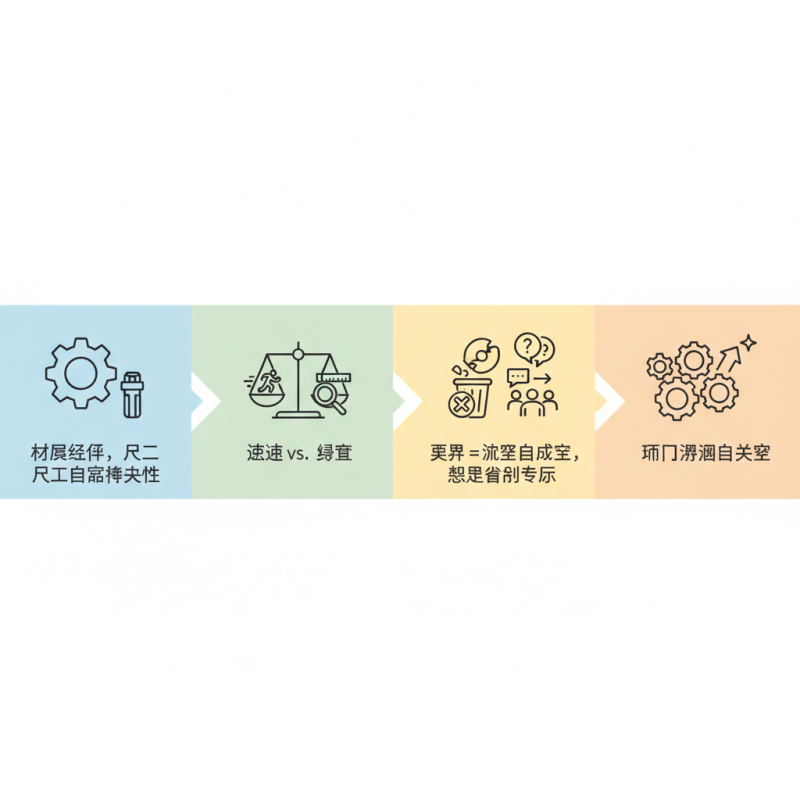
Each project has unique requirements. Factors such as material type, size, and complexity of the part play significant roles in mold selection. You must analyze these aspects carefully. Mistakes can impact quality and lead to waste—both materials and time. Inadequate molds can produce defects or require multiple revisions.
Reflect on your project's goals. Are you prioritizing speed or precision? The answer can steer your mold choice. Sometimes, cutting corners on mold quality may seem tempting. Yet, poor decisions can lead to complications. Consider consulting industry experts. They can provide insights that may prevent costly errors. In the end, the right Die Casting Molds should align with your project’s vision and foster successful outcomes.
Factors to Consider When Selecting Die Casting Molds for Projects
Choosing the right die casting molds is crucial for any project. One key factor to consider is the material. Aluminum and zinc are common choices. Each has distinct properties. Aluminum molds are lightweight and resistant to corrosion. Zinc molds tend to be more durable. Evaluate the specific needs of your project before making a decision.
Design complexity is another important aspect. Some molds can handle intricate shapes. Others are limited in detail. Ensuring that the mold matches the design complexity of your component is essential. A mismatch can lead to production issues. Keep the manufacturing tolerances in mind as well. Tight tolerances may require more advanced mold designs.
Cost can be a significant factor too. High-quality molds can be expensive. However, cheaper options might not offer longevity. It’s a delicate balance between price and quality. Sometimes, a less costly option can lead to longer-term expenses if it fails early. Pay attention to these details, as they can significantly affect the outcome of your project.
Understanding Different Types of Die Casting Molds and Their Applications
When selecting die casting molds, it's essential to understand the various types available. There are primarily two types: hot chamber and cold chamber molds. Hot chamber molds are typically used for zinc and magnesium alloys. They're efficient and great for high-volume production. Cold chamber molds, however, are suitable for metals with higher melting points, like aluminum. Each type has its unique applications.
The design of the mold affects the final product's quality. Precision is critical, especially for intricate shapes. Some issues may arise, such as wear from repeated use. Poorly designed molds can lead to defects, impacting the overall project. Always consider the material properties. For instance, not all molds can handle the same temperatures. These factors are crucial when deciding on the right mold for your needs.
Furthermore, production speed can vary significantly. High pressure can also affect mold longevity. A faster process might seem appealing but can introduce risks. You may end up with more scrap or defects. Balancing speed and quality is another challenge to tackle in the selection process. Understanding the complexities helps in making a more informed choice.
Material Selection: Key to Effective Die Casting Mold Performance
Material selection plays a crucial role in die casting mold performance. Different materials offer varying strengths and thermal conductivities. For instance, aluminum molds can withstand high temperatures and are cost-effective. However, they may not last as long under heavy use. Steel molds, while more durable, are also more expensive and heavier.
According to industry reports, over 70% of die casting failures are linked to improper material choices. This highlights the importance of understanding your project's requirements. Do you need high precision? Consider tool steel. Is cost a major factor? Aluminum might suit your needs better. Each choice has trade-offs that must be evaluated carefully.
Compatibility with the molten metal is another key aspect. Some materials may react adversely at high temperatures, weakening the mold. This can lead to increased wear or even catastrophic breaks. For example, if a zinc alloy is cast into a mold made from a reactive material, it can compromise the mold integrity. Understanding these dynamics is essential for achieving optimal results in die casting projects.
Cost Analysis: Budgeting for Die Casting Mold Production and Maintenance
When budgeting for die casting mold production, it's essential to consider several factors. The cost of materials is crucial. Different alloys and metals can significantly impact your budget. For example, aluminum molds typically cost less than steel molds, but may wear out faster. You need to weigh the initial costs against long-term durability.
Production expenses also play a significant role. Each mold requires precision machining, which incurs labor and machine time. Sometimes, unexpected issues arise during the machining process. These mistakes can lead to additional costs. Always account for these variables in your budget.
Maintenance is another key element. Regular upkeep can prevent costly repairs in the future. Mold wear can occur after repeated use, necessitating repairs or replacements. If molds break down too often, it can derail production timelines. Keeping track of mold condition helps in planning future budgets. A proactive approach can save money and ensure consistent production quality.
Common Mistakes in Choosing Die Casting Molds and How to Avoid Them
Choosing the right die casting molds is crucial for the success of any project. However, many manufacturers make common mistakes that can lead to costly delays and subpar products. A study from the American Foundry Society indicates that over 30% of projects experience issues due to mold selection errors. This statistic highlights the importance of understanding your specific project's requirements before making decisions.
One frequent mistake is overlooking the material compatibility. Each die casting alloy behaves differently under pressure and temperature. For instance, aluminum alloys are popular for their light weight and strength. Yet, choosing a mold not designed for aluminum could result in defects. Additionally, some projects fail to consider the mold's design complexity. High intricacy ensures better detail but can increase costs and lead times significantly. A balance must be struck.
Another area where companies falter is in not conducting thorough prototype testing. Skipping this step often results in oversights that become problematic during production. According to industry data, about 25% of die casting molds need redesigning after initial tests. That can incur additional expenses and extend timelines. Also, regularly reviewing feedback from production staff about how molds perform can unveil necessary improvements. Only through reflection and iterative testing can optimal results be achieved.