

Choosing the best Mechanic Tool Box is not simply a matter of counting drawers. Global buyers must examine working conditions, transport needs, tool weight, materials, and after-sales support. A compact steel box may suit a mobile technician in Singapore, while a larger roller cabinet may serve a busy workshop in Canada. Climate matters too. Humidity can expose weak coatings, poor seals, and vulnerable drawer slides.
Tom Denton, an automotive technology author and training specialist, emphasizes, “Good workshop equipment should support safe, repeatable work, not merely look impressive.” His point deserves attention. A glossy finish cannot repair a failing wheel, and oversized storage may waste valuable floor space. Sometimes, the cheapest option becomes expensive after damaged tools, replacement parts, and delayed jobs.
This guide examines practical factors for international purchasing. It considers load capacity, drawer layout, locking systems, caster quality, corrosion resistance, packaging, and warranty communication. Buyers should also question product descriptions that promise extreme durability without test details. That matters.
Real workshops reveal the truth. A mechanic may pull a heavy torque wrench from the bottom drawer hundreds of times monthly. A loose handle or shallow drawer quickly becomes frustrating. The best Mechanic Tool Box balances protection, mobility, organization, and long-term value. It should fit the technician’s actual routine, not an idealized showroom. Pricing, shipping, and local service can change the final decision. Even experienced buyers can overlook these details.
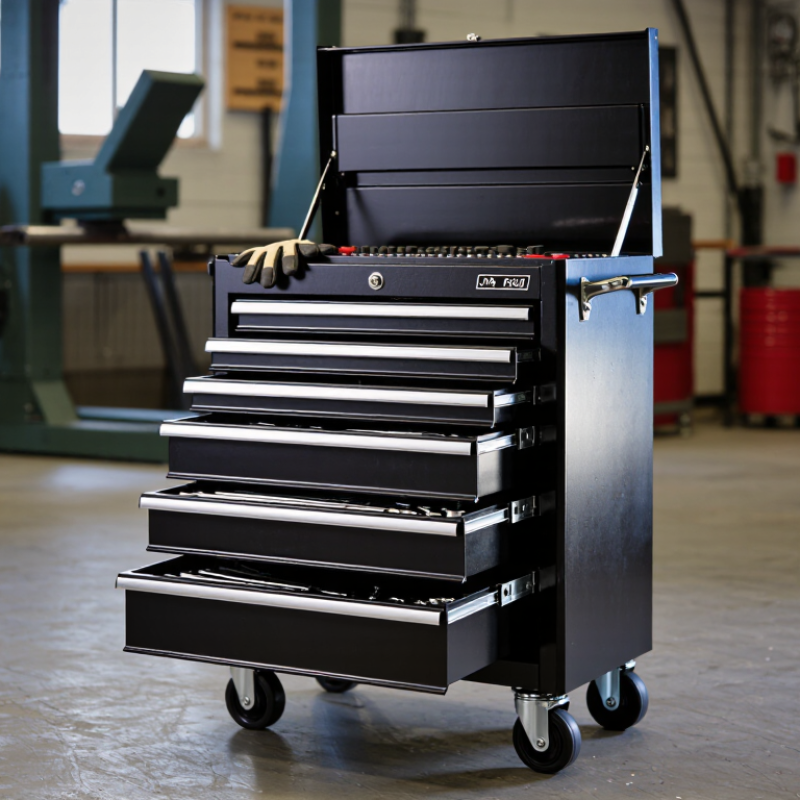
A suitable mechanic tool box begins with your daily workflow, not its appearance. List every tool category, including sockets, torque wrenches, diagnostic devices, and bulky power tools. The U.S. Bureau of Labor Statistics projects about 67,700 annual openings for automotive service technicians and mechanics between 2023 and 2033. That workforce needs fast, organized access during repeated repairs. Measure your work area, aisle width, and available wall clearance before selecting storage. A box that fits today may obstruct tomorrow’s equipment. This estimate can be wrong.
Count frequently used tools separately from seasonal equipment. Shallow drawers suit hand tools, while deeper compartments hold impact tools and cables. Check drawer load ratings, caster capacity, locking performance, and corrosion resistance. In humid workshops, untreated steel may develop rust around drawer edges. OSHA 29 CFR 1910.176(b) requires stored materials to remain stable and avoid creating hazards. Secure storage supports that principle. It also reduces searching, dropped tools, and crowded benches.
Global buyers should verify metric or imperial tool compatibility, delivery dimensions, and replacement-part availability. A fully loaded box can exceed a workshop’s floor rating or shipping limit. The ILO’s 2023 report estimated nearly three million work-related deaths annually worldwide, reinforcing the value of safer workplace organization. However, a lock alone does not create safety. Review local regulations, lifting methods, climate conditions, and technician habits. Real workshops are rarely perfect. Leave room for mistakes, expansion, and one drawer that will always become messy.
Choosing the best mechanic tool box starts with its type. A mobile roller cabinet suits busy workshops and service areas. It provides drawers, a strong top, and easy movement. A portable chest works better for smaller tool collections or field repairs. Wall-mounted cabinets save floor space, but they need secure installation and suitable wall strength.
Size should match both your tools and your working environment. Measure the available width, depth, door clearance, and floor capacity. A deep cabinet may hold large sockets, yet it can waste space in narrow aisles. Check drawer dimensions carefully. Some tools need shallow drawers, while power tools require taller compartments. Steel construction offers durability, but thicker material increases weight and shipping costs. Aluminum options are lighter, though they may resist heavy impacts less effectively.
Tips: List your tools before comparing configurations. Group sockets, wrenches, electrical testers, and spare parts separately. Choose full-extension drawers with reliable locking systems. For international purchasing, confirm packaging protection, assembly requirements, and compatible drawer hardware. Ask for load ratings, internal measurements, and corrosion-resistant finishes. These details matter more than appearance. I once underestimated drawer depth and stored bulky tools elsewhere, which reduced efficiency. A slightly larger box might have prevented that mistake, but larger is not always better. Consider future tool purchases, but leave some empty space for safe organization and easier access.
Compare mechanic tool box types, sizes, and configurations by representative nominal cabinet width.
Portable boxes are generally suitable for mobile technicians and light-duty storage, while compact rolling cabinets offer better organization in limited workshop spaces. Standard and large rolling cabinets provide more drawers and higher storage capacity for professional garages. Modular systems are commonly selected when buyers need to expand storage over time. Nominal widths shown are common market sizes and may vary by configuration and supplier.
Material choice affects durability, weight, corrosion resistance, and shipping costs. Cold-rolled steel offers strong impact protection for busy workshops. Aluminum reduces weight but may dent under heavy pressure. Stainless steel resists moisture, yet it usually increases the purchase price. In humid ports or coastal regions, inspect the coating carefully. Look for even powder coverage, sealed corners, and surfaces without exposed metal. A thick panel can still fail when its seams are poorly welded.
Construction details reveal more than appearance. Test each drawer with realistic loads, not an empty hand. Smooth slides should remain stable when fully extended. Check whether casters roll evenly across rough floors. Reinforced corners help protect the box during warehouse handling and international transport. Packaging also matters. Weak corner protection can damage excellent workmanship before delivery. I once focused too much on steel thickness and overlooked drawer alignment. That mistake changed my inspection process.
Security features should protect tools without making daily access difficult. Choose a hardened lock, concealed hinges, and drawers that close firmly. An anti-tilt mechanism can prevent several drawers from opening together. Check the key system and keep replacement access practical for maintenance teams. If the box stores expensive equipment, consider internal locking bars and a discreet design. No box is perfect. A secure unit still needs sensible placement, regular inspection, and careful user habits.
How to Choose the Best Mechanic Tool Box for Global Buyers?
Check Mobility, Capacity, Ergonomics, and Workspace Compatibility
Global buyers need more than a large metal cabinet. A mechanic tool box should move safely, hold essential equipment, and fit the workspace. Check caster quality, wheel diameter, and brake strength before comparing drawer counts. Small wheels struggle on uneven floors. For export projects, measure doorways, lifts, and shipping routes before ordering. A compact box may arrive more reliably, even if it stores less.
Capacity should match real tasks, not an impressive specification sheet. List hand tools, meters, fasteners, and protective accessories used each week. Then allow room for future equipment. Drawers with full-extension slides improve access, but loaded drawers need balanced weight distribution. Keep heavy tools low. I once chose extra capacity and regretted the wasted floor space. That mistake still influences my recommendations.
Ergonomics affects speed and injury risk during long maintenance sessions. Select a working height that keeps wrists neutral and reduces repeated bending. Rounded handles, smooth drawer travel, and visible labels make routine work easier. Workspace compatibility deserves equal attention. Confirm the box clears benches, vehicles, storage racks, and emergency walking paths. Leave enough room to open drawers without blocking nearby equipment. Check local voltage only if the unit includes electrical features. Specifications can be incomplete. Ask for load tests, dimensional drawings, corrosion protection details, and replacement-part availability. Those questions may feel excessive, but they reveal whether the supplier understands professional use.
| Tool Box Configuration | Typical External Size (W × D × H) | Typical Net Weight | Approximate Total Load Capacity | Mobility Features | Storage Capacity | Ergonomic Considerations | Workspace Compatibility | Best Use Case | Overall Suitability |
|---|---|---|---|---|---|---|---|---|---|
| Portable Tool Box | 450–650 × 250–350 × 250–350 mm | 3–8 kg | 15–30 kg | Carry handle; no wheels; easy to move between vehicles and work areas. | 30–70 L; suitable for hand tools, fasteners, and compact diagnostic equipment. | Should have a balanced handle, rounded edges, and a removable tray to reduce lifting strain. | Works well in small workshops, service vans, construction sites, and locations without level flooring. | Mobile technicians and basic maintenance kits. | High Mobility |
| Rolling Tool Cart | 700–900 × 400–550 × 850–1050 mm | 25–55 kg | 150–300 kg | Four casters, usually two fixed and two swivel; typically includes a side handle and wheel brakes. | 100–220 L; multiple drawers and an open lower shelf provide flexible access. | Top working surface is generally comfortable for standing tasks; drawer height should keep frequently used tools between waist and shoulder level. | Best on smooth, hard floors with turning clearance of approximately 1.2 m or more. | General vehicle repair, assembly work, and shared workshop use. | Balanced Choice |
| Heavy-Duty Roller Cabinet | 900–1400 × 500–750 × 900–1200 mm | 70–180 kg | 500–1000 kg | Large industrial casters; strong maneuverability when unloaded, but difficult to reposition after full loading. | 250–700 L; deep drawers can hold power tools, impact sockets, and larger service equipment. | Full-extension drawers and load-rated slides improve access; heavy drawers should include secure latching and anti-tip protection. | Requires a stable floor, adequate door width, and dedicated parking space; check elevator and delivery access. | Professional workshops, fleet maintenance, and high-volume service operations. | High Capacity |
| Top Chest with Roller Cabinet | 900–1400 × 500–750 × 1400–1900 mm | 110–260 kg | 600–1200 kg | Mobile lower cabinet with a stationary upper chest; moving the complete unit requires a strong, level floor. | 350–900 L; combines shallow-access drawers with deep lower storage. | Upper drawers improve visibility, but the highest compartments may exceed comfortable reach for shorter users. | Suitable for spacious workshops with ceiling clearance of at least 2.1 m and permanent tool-storage zones. | Mechanics who need extensive tool organization and a dedicated workstation. | Maximum Storage |
| Service Van Tool Cabinet | 800–1200 × 350–550 × 800–1200 mm | 45–120 kg | 250–600 kg | Normally mounted or anchored inside a vehicle; mobility depends on the vehicle rather than casters. | 180–450 L; optimized for organized drawers and secure storage during transport. | Drawer pull-out length, anti-slip liners, and positive latches help prevent movement and repetitive bending. | Must match vehicle width, door opening, mounting points, payload limit, and available aisle space. | Field service, roadside repair, utilities, and mobile maintenance teams. | Vehicle Optimized |
| Wall-Mounted Tool Cabinet | 600–1200 × 200–350 × 500–900 mm | 20–70 kg | 80–250 kg | Not designed for movement; fixed installation preserves floor space. | 70–250 L; best for frequently used hand tools and lightweight supplies. | Installation height should keep common tools within the user’s comfortable reach and avoid excessive overhead work. | Appropriate for narrow workshops, garages, and areas where floor space is limited; wall structure must support the combined load. | Small workspaces and supplementary storage above benches. | Space Saving |
| Under-Bench Tool Cabinet | 500–1000 × 450–650 × 600–850 mm | 35–100 kg | 200–500 kg | May use casters, leveling feet, or fixed mounting; movement is limited when positioned under a bench. | 120–350 L; efficient for drawers, socket sets, and medium-sized equipment. | Provides a stable workbench arrangement, but lower drawers require bending or kneeling during access. | Fits below compatible benches; allow enough legroom, drawer clearance, and service access. | Workstations requiring a compact, integrated storage solution. | Efficient Layout |
| Modular Stackable System | 400–700 × 250–500 × 300–1000 mm | 8–35 kg per module | 50–180 kg per assembled stack | Usually includes detachable wheels or a trolley base; modules can be separated for stairs and transport. | 60–250 L; capacity can be expanded by adding compatible modules. | Light individual modules reduce lifting effort, but tall stacks should be secured to prevent tipping. | Suitable for changing work locations, limited storage areas, and mixed indoor/outdoor applications. | Technicians who need flexible organization and transport in stages. | Flexible Mobility |
Planning note: Dimensions, weights, and load capacities are typical industry ranges for comparison. Actual specifications vary by construction material, drawer design, caster size, locking system, and applicable local safety requirements. Always verify the packed dimensions, floor loading, vehicle payload, doorway clearance, and user reach before purchase.
For global buyers, shipping is part of the mechanic tool box, not an afterthought.
The World Bank’s 2023 Logistics Performance Index covers 139 economies and shows major differences in customs, infrastructure, and delivery reliability. Ask for packed dimensions, gross weight, pallet details, and the correct tariff classification. A fully loaded steel box may arrive safely by sea but suffer bent casters during inland delivery. Confirm whether insurance covers dents, missing drawers, and water exposure. I learned that “delivery included” can hide terminal fees, storage charges, and residential surcharges.
Standards require careful reading.
ISO 9001 describes a quality-management system, not drawer strength or wheel durability. Request load-test records, coating specifications, locking tests, and applicable national compliance documents. Electrical accessories need separate safety verification. Do not treat a familiar conformity mark as proof of complete product quality. That assumption is easy, and sometimes wrong. Warranty terms should state coverage period, spare-part availability, labor responsibility, and claim evidence. The NRF and Appriss Retail 2023 Returns Landscape Report estimated that 14.5% of U.S. retail sales were returned; this is not toolbox-specific, but it shows why after-sales planning matters.
Compare total cost, not invoice price.
Add freight, duties, customs brokerage, local delivery, assembly, replacement parts, and expected downtime. A lower-priced box with unavailable slides may cost more after six months. Use a landed-cost spreadsheet for each destination. Include currency movement and minimum-order fees. I would also request one sample before a container purchase. It slows the decision, but a real drawer test can expose weaknesses that polished specifications miss.