How to Create Stunning Building Exterior Renderings for Buyers?
Creating stunning Building Exterior Renderings is an essential skill for any real estate professional. These visualizations help buyers envision the final product. Effective building exterior renderings can attract potential clients and generate interest.
To achieve remarkable results, it’s important to focus on details. This includes lighting, textures, and colors. A well-crafted visualization should tell a story that captures the essence of the design. However, even experienced designers sometimes overlook critical elements. Minor errors can detract from the overall impact.
Understanding the market trends can enhance your renderings. Buyers have varying expectations, and staying current with design preferences is crucial. The journey toward creating impressive building exterior renderings might be challenging, yet the rewards are significant. With practice and attention to detail, you can master this art and effectively engage your audience.
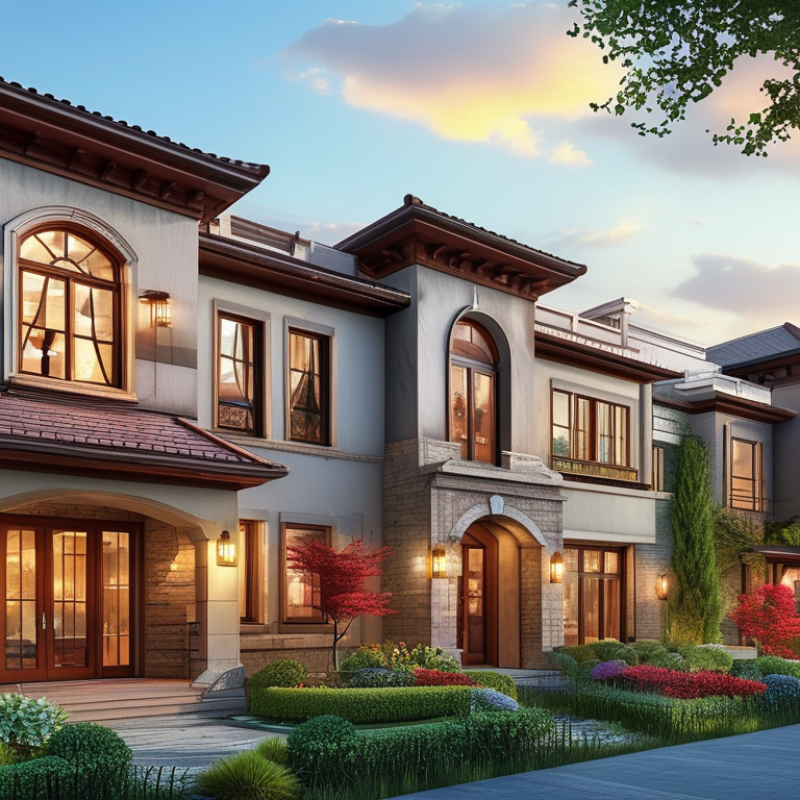
Choosing the Right Software for Building Exterior Renderings
Choosing the right software for building exterior renderings can significantly impact the final product. Various software options provide unique tools that cater to different needs. Select software based on your skill level and project requirements. Beginners might prefer user-friendly interfaces. Advanced users may seek software with extensive features.
Focus on software that offers high-quality output. Realism is key in renderings. Look for tools with advanced lighting techniques and materials libraries. These features help create stunning visuals. However, some tools may have steep learning curves. Take the time to practice and refine your skills.
Evaluate the software's support and community features. A strong user community can provide valuable resources. Tutorials and forums can help when you face challenges. Remember, even the best software requires patience and dedication. Experiment with different tools until you find what works for you. The right choice ultimately enhances your project's appeal.
How to Create Stunning Building Exterior Renderings for Buyers?
| Software Name | Key Features | Ideal For | Cost |
| SketchUp | 3D modeling, intuitive interface, extensive plugins | Architects, Designers | Free version available; Pro version starts at $299/year |
| Lumion | Real-time rendering, realistic environment, effects | Architects, Visualizers | From $1,807 (one-time payment) |
| V-Ray | High-quality rendering, advanced lighting, material editing | Architects, Interior Designers | Starts at $350/year |
| Revit | BIM capabilities, collaborative tools, detailed modeling | Architects, Engineers | Starts at $2,310/year |
| Blender | Open-source, extensive community, powerful rendering tools | Freelancers, Hobbyists | Free |
Understanding Architectural Design Principles for Effective Renderings
When creating stunning building exterior renderings, understanding architectural design principles is essential. Architectural design involves more than aesthetics; it encompasses functionality, space, and user experience. Effective renderings highlight the building's purpose and how it fits within its environment. Incorporating elements like light and shadow adds depth. This creates more lifelike representations that resonate with potential buyers.
Proportions and scale in architecture influence perceptions. A well-balanced facade will attract attention, while uneven features can evoke confusion. Observing different styles helps refine your approach. One rendering might succeed where another fails due to nuanced differences. It’s crucial to gather feedback throughout the process. An exterior may look perfect, but small details can alter the overall impression dramatically. This iterative process fosters improvement and creativity.
Textures and colors also play a vital role. They can evoke emotions or define a brand. A muted palette may suggest elegance, while vibrant hues can draw excitement. However, choices must resonate with the target audience. It's common to misjudge the preferences of potential buyers. Continuous learning about architectural trends can help avoid these pitfalls. Each project is a new opportunity for growth in crafting captivating renderings.
Building Exterior Renderings by Style
Incorporating Natural Elements to Enhance Visual Appeal
Integrating natural elements into building exterior renderings can elevate visual appeal significantly. Imagine a sleek modern structure surrounded by lush greenery. Trees, shrubs, and flowers add color and life. These elements create a connection between the building and its environment. They soften hard lines and harsh materials. Buyers often appreciate this harmony.
Water features, such as ponds or fountains, enhance serenity. The sound of flowing water can attract attention and create a calming atmosphere. Natural light also plays a role. Proper lighting can highlight textures and contrasts. Shadows can add depth, making a rendering feel three-dimensional.
It’s important to consider balance. Too many natural elements can overwhelm the design. Striking the right chord takes practice and reflection. Experiment with various layouts. Analyze what resonates most with potential buyers. Understanding their preferences can lead to more compelling presentations.
Utilizing Lighting and Shadows for Realism in Renderings
Creating stunning building exterior renderings hinges on your ability to master lighting and shadows. These elements breathe life into an image, giving it depth and realism. A well-lit rendering can transform a flat image into an inviting scene that captivates buyers. Consider how sunlight interacts with different surfaces. Shadows should mimic real-life patterns. The subtleties can greatly enhance the appeal of a property.
Tips for effective lighting include choosing the right time of day. Golden hour is ideal for soft, warm light. Experiment with various light angles to see what complements your structure best. For shadows, aim for consistency in direction and length. Avoid overly harsh shadows, as they may detract from the overall look. Ensure the shadows reflect the architectural features accurately.
Moreover, be cautious with your color choices. Overly bright or saturated elements can feel unrealistic. The goal is to create a harmonious balance. Reflective surfaces can enhance realism, but too much gloss can overpower. Strive for an authentic feel while still being creative. Keep refining your technique. Remember, each rendering is an opportunity for growth. Your journey in mastering these skills is just as important as the final product.
Presenting Renderings to Buyers: Best Practices and Tips
Presenting renderings to buyers requires a strategic approach. Start with clear communication. Explain what the rendering represents and how it relates to the buyer's vision. Use simple language and avoid unnecessary jargon. This establishes trust and ensures that buyers feel connected to the project.
Include detailed elements in your presentation. Highlight textures, lighting, and landscaping features. For instance, a well-placed tree can enhance realism. Show how shadows fall naturally or how colors interact in different lighting. However, remember to remain realistic. Overly polished images may become misleading. Buyers appreciate authenticity and transparency, so present both strengths and areas for improvement.
Encourage feedback during the presentation. Ask buyers what resonates with them and what does not. This can lead to valuable insights. Adapt your renderings based on their thoughts. It reflects a willingness to collaborate. Providing space for their input fosters a better relationship. This engagement can make the buyer feel valued and involved in the project.