Top Tips for Sourcing Spunbond Polypropylene Effectively?
In today's competitive market, sourcing materials effectively is crucial. Spunbond Polypropylene has become a popular choice across various industries due to its versatility and durability. This non-woven fabric is lightweight yet strong, making it ideal for numerous applications, from packaging to healthcare products.
However, sourcing Spunbond Polypropylene can be challenging. Quality varies significantly among suppliers. It is vital to assess each supplier's reliability and product standards. Establishing clear communication with manufacturers can yield better results. Verify certifications and request samples to ensure quality meets your needs.
Navigating the complexities of sourcing requires careful consideration and expertise. Understanding your project's specific requirements is essential. Minor oversights can lead to waste and inefficiencies. A strategic approach can result in successful partnerships and high-quality materials that meet industry standards.
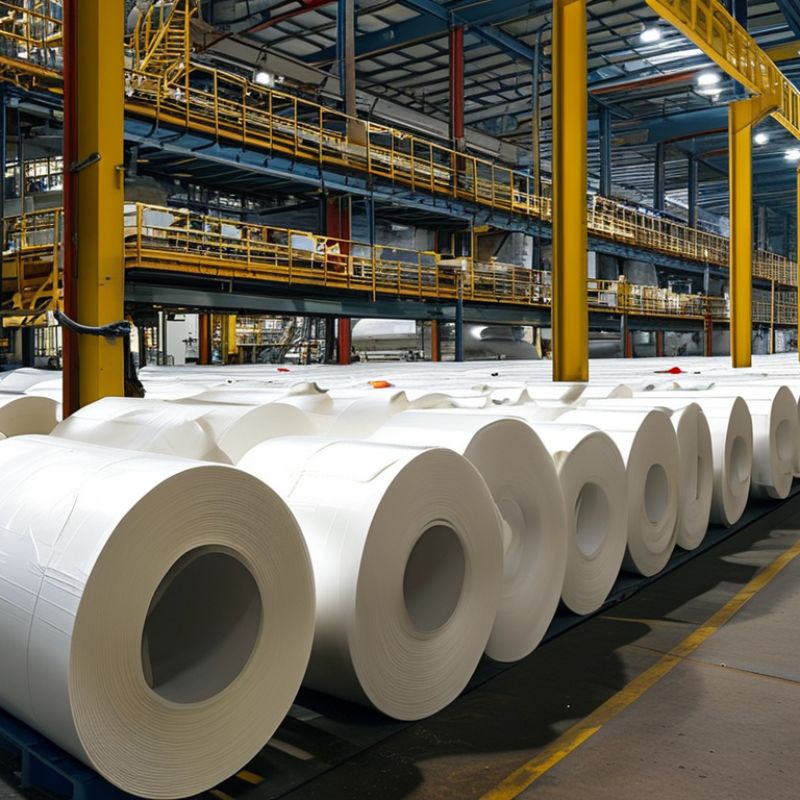
Understanding Spunbond Polypropylene: Properties and Applications
Spunbond polypropylene is a versatile material with a range of beneficial properties. It is lightweight yet durable, making it suitable for numerous applications. The fabric is water-resistant and breathable, which adds to its appeal. Manufacturers often use spunbond polypropylene in packaging, construction, and agriculture. These properties allow it to perform well in challenging environments.
Another significant advantage is its cost-effectiveness. Companies can produce large quantities at a relatively low cost. However, this raises concerns about waste. Many products made from this material are single-use, leading to environmental issues. Sourcing responsibly is essential to mitigate these effects. Choosing suppliers who prioritize sustainability can make a difference.
The production process itself has room for improvement. Current techniques can be wasteful and energy-intensive. Exploring innovative methods can enhance efficiency. It’s crucial to stay updated with technological advancements. Engaging with industry experts can provide insights into better practices. This could lead to more sustainable sourcing solutions.
Top Tips for Sourcing Spunbond Polypropylene Effectively
| Property | Description | Typical Applications |
| Lightweight | Spunbond polypropylene is known for its low weight, making it easy to handle and transport. | Packaging, agricultural film |
| Durable | It has excellent tensile strength and tear resistance. | Construction, automotive interiors |
| Chemical Resistance | Resistant to a wide variety of chemicals, oils, and greases. | Medical, laboratory applications |
| Breathable | Offers airflow while maintaining barrier properties. | Non-woven fabrics, hygiene products |
| Cost-effective | Generally less expensive compared to other materials with similar properties. | Consumer products, disposable items |
Identifying Reliable Suppliers for Spunbond Polypropylene
Finding reliable suppliers for spunbond polypropylene can be challenging. The market is saturated with options, and not all suppliers maintain the same standards. Start by evaluating their experience in the industry. Suppliers with a solid history often understand the nuances of quality and consistency. Ask for case studies or references to gauge their effectiveness.
Another important factor is the production capacity of the supplier. A reliable partner should have a robust supply chain. Look for evidence of efficient operations and scalability. This information can usually be found on their websites or through industry reports. Additionally, consider visiting their facilities if possible. Physical inspections can provide insights into their processes and quality control measures.
Communication is crucial when sourcing materials. A responsive and informative supplier reflects their commitment to customer satisfaction. Pay attention to their willingness to answer questions promptly. Transparency about their materials and sourcing practices is also essential. Seek suppliers who are open and ready to discuss their methods and certifications. They should be willing to share information about their environmental practices, as sustainable sourcing is increasingly important.
Evaluating Quality Standards in Spunbond Polypropylene Products
When sourcing spunbond polypropylene, evaluating quality standards is crucial. The material's durability and versatility make it popular across industries. Quality assessments begin with the look and feel. A thicker, more robust fabric often indicates higher quality. Pay attention to the texture; it should feel smooth yet resilient. These factors contribute to the material's longevity.
Testing is another critical aspect. Lab assessments, like tensile strength and tear resistance, provide insight into product reliability. Verify if the supplier adheres to industry standards. Certifications matter, but they aren't foolproof indicators of quality. Ask for samples to conduct real-world tests. Analyzing how the material behaves under stress can reveal potential weaknesses.
Don't overlook the supplier's reputation. Established vendors may have stricter quality control processes. Engage in discussions, and seek insights into their sourcing practices. Transparency in sourcing will build trust. Yet, even well-regarded suppliers can have occasional inconsistencies. Remain vigilant and ready to reassess your choices. Quality assurance should be an ongoing effort, not a one-time check.
Top Tips for Sourcing Spunbond Polypropylene Effectively
This chart illustrates the evaluation of quality standards in spunbond polypropylene products based on various quality attributes.
Negotiating Pricing and Terms for Spunbond Polypropylene Sourcing
When negotiating pricing and terms for sourcing spunbond polypropylene, it's crucial to establish a clear understanding of market conditions. Keep an eye on industry trends and fluctuations in raw material costs. This knowledge empowers you to approach suppliers with confidence. Building relationships is also key; suppliers are more likely to offer favorable terms when they trust you as a buyer.
Communication plays a vital role in negotiations. Be transparent about your needs and expectations. Discuss volume, delivery schedules, and payment terms upfront to avoid misunderstandings later. Sometimes, pushing for a lower price can backfire. It may result in inferior quality or delayed deliveries. Consider the trade-offs. A slightly higher price might ensure better quality and service.
Don't forget to ask for samples. Testing the material helps you assess quality firsthand. This step can also serve as leverage in negotiations. If a supplier knows you are evaluating alternatives, they may offer better terms. Reflect on your approach after each negotiation. It’s an ongoing learning process. Adjust your strategies based on past experiences to achieve more favorable outcomes in the future.
Sustainable Sourcing Practices for Spunbond Polypropylene Materials
When sourcing spunbond polypropylene, sustainability is vital. This material, known for its durability, can also be sourced responsibly. To ensure eco-friendly practices, focus on the supplier's environmental policies. A reliable supplier should disclose their sourcing processes. Transparent practices build trust.
Tips for sustainable sourcing include prioritizing recycled content. Look for materials made from post-consumer waste. This helps reduce landfill waste and supports a circular economy. Verify certifications that prove sustainability efforts.
Another important factor is energy consumption in manufacturing. Engage with suppliers committed to renewable energy use. This reduces the overall carbon footprint of the material. Be aware, not all suppliers may meet these standards. Regular assessments of sourcing practices can help identify areas for improvement.