What is an Outdoor Waterproof Telephone and How Does It Work?
In today’s world, communication goes beyond traditional means. This is especially true for those who work outdoors. Outdoor Waterproof Telephones are becoming increasingly essential. Experts recognize their importance. Mark Thompson, a leader in outdoor communication technology, states, “You cannot underestimate the need for reliable communication in harsh environments.”
Outdoor Waterproof Telephones are designed specifically for challenging conditions. They resist water, dust, and extreme temperatures. These devices ensure that users remain connected, even in inclement weather. Many workers rely on these telephones daily. Without them, crucial communication would be compromised.
However, the industry faces challenges. Many products claim to be waterproof but fail in real-world conditions. It raises concern about quality control. Customers often feel frustrated with devices that do not meet expectations. There is a need for continuous improvement. As technology evolves, manufacturers must adapt. Outdoor Waterproof Telephones must not only meet industry standards but exceed them. It's essential to keep a critical eye on these developments.
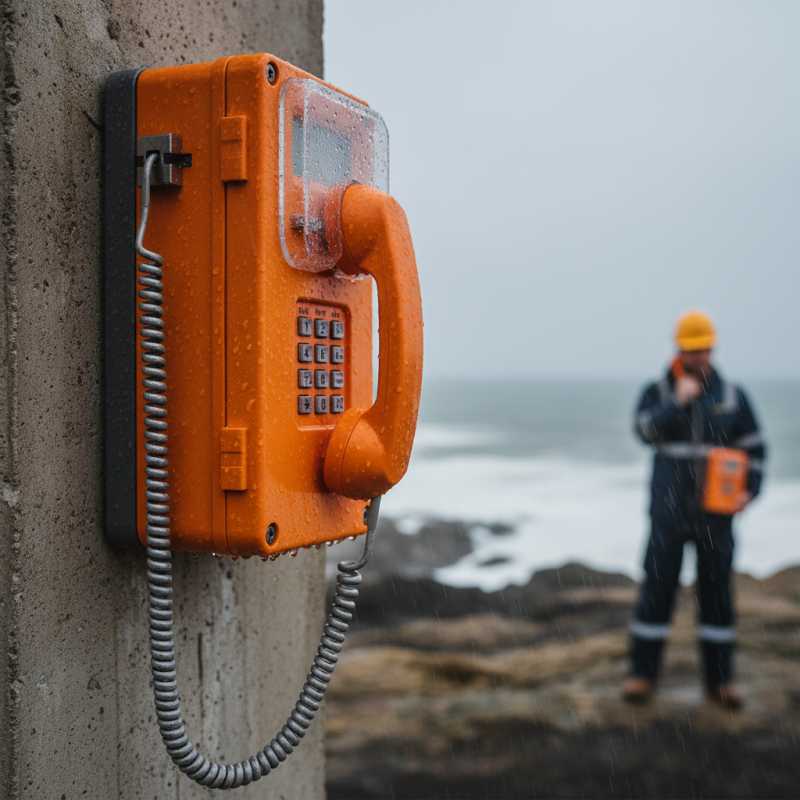
What Defines an Outdoor Waterproof Telephone?
Outdoor waterproof telephones are specifically designed to withstand the elements. These devices offer protection against water, dust, and extreme temperatures. They are often seen in construction sites, parks, and remote locations. This durability is achieved through rugged casing and sealed components.
What truly defines an outdoor waterproof telephone is its IP rating. An IP rating indicates the level of protection against solids and liquids. For instance, an IP67 rating means the phone can be submerged in water up to 1 meter for 30 minutes. This feature is crucial for users in wet environments. The design usually includes larger buttons and enhanced sound quality. These aspects improve usability, especially in noisy settings.
**Tips:** When choosing an outdoor waterproof phone, consider its usability under various weather conditions. Check reviews to see how it performs in real-world settings. Keep an eye on its battery life, as rugged designs may sometimes sacrifice longevity for durability. Always remember, not all waterproof phones are the same. Some may still get damaged in heavy rain or extreme dust storms. Be aware of these factors before making a selection.
Key Features of Outdoor Waterproof Telephones
Outdoor waterproof telephones are designed for extreme conditions. These devices are built to withstand rain, snow, and dust. They are often used in construction sites, outdoor events, and even some residential areas. One standout feature is their IP rating, which indicates water and dust resistance. A higher rating means better protection.
Another key feature is durability. These phones are usually made with tough materials like rubber and reinforced glass. They can handle drops and impacts. Their battery life is often extended to ensure long usage during outdoor activities. Some models even offer features like noise cancellation, which is useful in busy environments.
However, not all outdoor waterproof telephones are created equal. Some might struggle in heavy rain or extreme temperatures. Users often report that touchscreen functionality can diminish when wet. These are aspects to consider before making a purchase. Regular maintenance can enhance durability, but it's often overlooked. Users should think critically about their specific needs when choosing these devices.
How Outdoor Waterproof Telephones Function
Outdoor waterproof telephones are designed for tough environments. They resist water, dust, and extreme temperatures. This makes them an excellent choice for construction sites or outdoor events. These phones are often made with durable materials. Their screens can handle rain and rough handling.
These devices use specialized technology to function under harsh conditions. The components are sealed to prevent water from entering. This is crucial for maintaining performance. The buttons are usually larger and more tactile, making them easy to use with gloves. Signal strength is often enhanced to operate better in rural areas.
Tips: Choose a phone with a high IP rating. This indicates better water and dust resistance. Ensure the battery life meets your needs. Some phones struggle with long usage times, which can be a hassle in outdoor scenarios. Inspect the device regularly for any signs of wear, as damage can go unnoticed.
Applications and Benefits of Waterproof Telephones
Outdoor waterproof telephones are designed for various environments. They withstand rain, mud, and snow. These features make them perfect for construction sites and outdoor activities. Many workers depend on these devices, ensuring continuous communication despite the weather.
In addition, waterproof telephones serve recreational purposes. Hikers and campers use them for navigation and safety. These devices often include GPS features. This adds an extra layer of security. Many people experience unexpected weather changes, so having a waterproof phone is essential.
Tip: Always check the IP rating of a waterproof telephone before purchasing. A higher rating means better protection against water and dust.
Some users might find these devices bulky. They may not fit well in standard pockets. This can be inconvenient while moving or hiking. However, the trade-off for durability is often worth it. You'll need to weigh the importance of size versus functionality.
Tip: Test the phone in water before taking it on an adventure. This ensures it truly meets your expectations.
Maintenance Tips for Outdoor Waterproof Telephones
Outdoor waterproof telephones are designed to withstand harsh environments. They can be exposed to rain, dust, and extreme temperatures. To maintain these devices, regular care is essential. Cleaning them with a soft cloth is a good starting point. Ensure that charging ports and buttons are free from debris. This helps maintain their functionality.
Check for any signs of wear. Over time, seals may degrade. Inspecting the unit periodically can prevent water damage. If you notice any cracks or chips, replace the device. Even small issues can compromise their waterproof capabilities.
Avoid exposing these phones to extreme temperatures for long periods. Both heat and cold can affect performance. While they are built to be resilient, they are not indestructible. Proper usage and care will extend their lifespan. Using a protective case can also offer extra security against impacts.
Outdoor Waterproof Telephone Usage Statistics
This chart illustrates the distribution of outdoor waterproof telephone usage across different environments. Residential areas account for the highest usage at 35%, followed by commercial spaces at 25%. Industrial and public spaces equally share the remaining percentage at 20% each. This data highlights the importance and versatility of outdoor waterproof telephones in a variety of settings.