What are Pleated Air Filters and How Do They Work?
Pleated Air Filters play a crucial role in maintaining indoor air quality. These filters are designed to trap dust, pollen, and other airborne particles. They consist of many folds, creating a larger surface area compared to standard filters. This design allows them to capture more contaminants effectively.
In many homes and businesses, Pleated Air Filters are a common choice. They offer better filtration efficiency, which can lead to healthier living environments. However, improper maintenance can diminish their effectiveness. Some users forget to change their filters regularly. This oversight can lead to clogged filters and reduced airflow.
Knowing how Pleated Air Filters work is essential. Their design maximizes air contact with the filter material. This increases the chances of trapping harmful particles. Understanding this concept helps users appreciate the importance of regular maintenance. Taking care of these filters is not just about efficiency; it’s about health and comfort too.
What Are Pleated Air Filters?
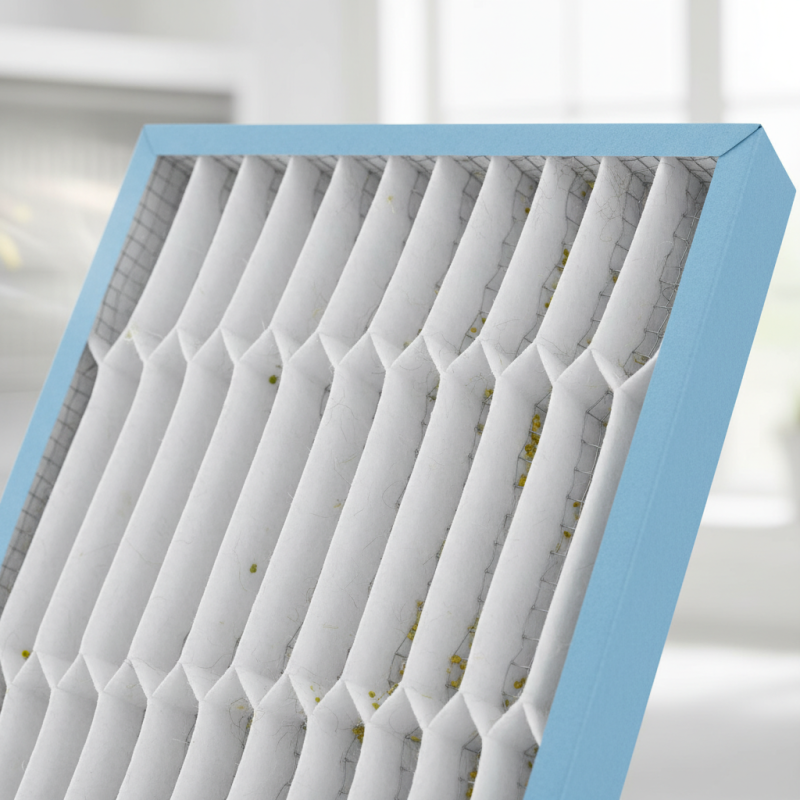
Pleated air filters are a type of air filtration system widely used in homes and commercial buildings. They have a unique design consisting of folds or pleats that increase the surface area of the filter. This allows for higher dust and particle trapping capabilities compared to traditional flat filters. When air passes through the filter, particles get caught in the pleats, keeping your indoor air cleaner.
Tips: Regularly checking your pleated air filters is important. Change them every 1-3 months. Dirty filters can reduce airflow and strain your HVAC system. As a result, you may face higher energy bills and poor air quality.
The effectiveness of pleated air filters depends on their quality and design. Some may perform well for dust, while others target allergens like pollen and pet dander. It's essential to choose a filter suited for your specific needs. However, many people overlook the importance of compatibility with their HVAC system. Always measure your filter size accurately and double-check specifications before purchasing.
The Design and Structure of Pleated Air Filters
Pleated air filters are essential components in many HVAC systems. Their design allows them to trap a large volume of airborne particles. The structure of these filters features multiple folds, which increases the surface area. This unique construction directly impacts their efficiency. The pleats create more contact points for dust, pollen, and other allergens. As air flows through, these particles become captured within the material.
The material used in pleated air filters can vary. Typically, synthetic fibers or cotton are used, but not all materials are equal. Some filters may not be as effective in trapping smaller particles. This inconsistency can lead to varying air quality. The depth of pleats also plays a crucial role. Deeper pleats can hold more dust but may cause airflow restrictions over time. It's essential to monitor airflow and replace filters as needed. Regular maintenance ensures optimal performance and clean air.
Having a well-designed filter is only part of the equation. Installing it correctly matters too. Poor installation can lead to air leaks, reducing effectiveness. Even the best filters can fail if not set up properly. Users should remain aware of the filter's lifespan. The performance may degrade over time, even if it appears clean. Paying attention to these details is vital for maintaining good indoor air quality.
How Pleated Air Filters Work Mechanically
Pleated air filters are designed to improve air quality in homes and workplaces. They consist of multiple folds, creating a larger surface area for capturing dust and pollutants. The increased surface area allows for better airflow and enhanced filtration efficiency.
When air moves through a pleated filter, particles get trapped in the folds. The design helps prevent airflow restriction, making it easier for HVAC systems to operate. Proper installation is crucial. A poorly fitted filter can reduce effectiveness and lead to costly repairs.
Tips: Regularly checking and replacing filters ensures optimal performance. Dirty filters can cause strain on your system. Consider setting reminders for maintenance. Remember, not all filters are created equal. Choosing the right one for your needs is essential.
Benefits of Using Pleated Air Filters
Pleated air filters are becoming popular due to their numerous benefits. These filters efficiently trap dust, pollen, and other particles. Their design increases surface area, allowing for better airflow. This means cleaner air for your home or office.
Using pleated air filters can improve indoor air quality significantly. They can capture smaller particles that flat filters cannot. A cleaner environment reduces allergies and respiratory issues. People often notice a difference in air clarity and freshness.
Tips: Change your filters regularly. Dirty filters can lead to lower efficiency. Monitor your filter monthly, especially during allergy seasons. This simple habit can enhance air quality drastically. Don’t overlook the importance of proper sizing. A mismatched filter can cause airflow issues. Consider seeking professional advice if unsure.
What are Pleated Air Filters and How Do They Work? - Benefits of Using Pleated Air Filters
| Dimension | Value |
| Filter Material | Polyester, Cotton, Glass Fiber |
| Filter Efficiency | MERV 8 to MERV 13 |
| Lifespan | 3 to 12 months |
| Air Flow Rate | 300 to 1500 CFM |
| Benefits | Improved air quality, Dust and allergen capture, Enhanced HVAC performance |
| Common Applications | Residential HVAC systems, Commercial air filtration, Industrial environments |
| Installation Size | Standard sizes: 16x20, 20x25, 12x24 (inches) |
Maintenance and Replacement Tips for Pleated Air Filters
Maintaining pleated air filters is crucial for optimal performance. Regularly checking your filters helps ensure that your HVAC system runs smoothly. It’s recommended to inspect the filters every month, especially during peak usage seasons. Dust and allergens accumulate quickly, affecting air quality. If you notice a significant buildup, it might be time for a change.
When replacing pleated air filters, choose the right size for your system. Incorrect sizing can lead to air leaks and reduced efficiency. Most filters require replacement every 3 to 6 months, but this can vary based on your environment. If you live in a dusty area, you may need to replace filters more often. It's easy to overlook this task, but doing so ensures cleaner air.
Keep track of your replacement schedule with reminders. This small step will help you avoid neglecting your filters. Remember to dispose of old filters properly to reduce waste. It’s also helpful to consider alternative filtration options if allergies or air quality are persistent issues. Being proactive with maintenance can enhance comfort and health in your living space.