Top 10 Benefits of Aerogel Blanket for Insulation?
Aerogel Blanket is a revolutionary choice for insulation. Recent reports from the Environmental Protection Agency highlight the efficiency of aerogels in energy conservation. These materials can reduce energy costs by up to 30% compared to traditional insulation. Aerogel provides superior thermal performance due to its low thermal conductivity.
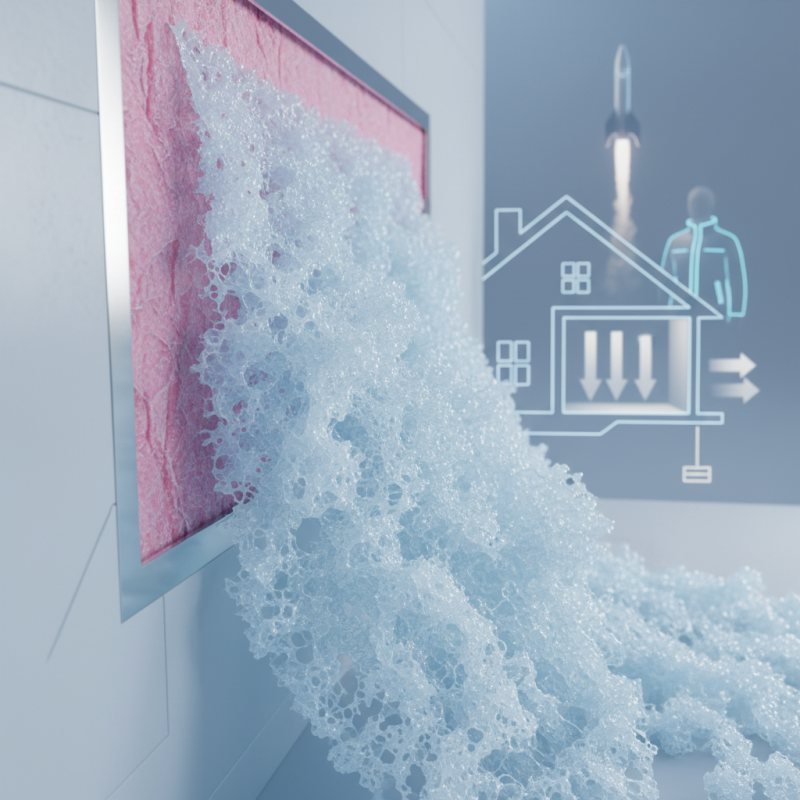
The lightweight nature of Aerogel Blanket also opens new avenues in various industries. Its ability to withstand extreme temperatures makes it a reliable option in aerospace, construction, and even clothing. According to a report by NASA, aerogel’s insulating properties are unmatched, often described as "solid smoke" due to its unique structure. It captures air with a structure that is 99.8% air, leading to a profound reduction in heat loss.
Despite these benefits, the high production cost of Aerogel Blanket may deter some buyers. Industry experts argue that as production methods improve, prices are expected to decrease. This could make aerogel a commonplace material in future insulation products. The potential is high, but the journey towards widespread adoption remains a work in progress.
Definition and Composition of Aerogel Blanket
Aerogel blankets are a marvel of modern material science. They are primarily composed of silica, a compound made from silicon dioxide. In simpler terms, aerogels are ultra-lightweight materials with a unique structure. This structure is mainly composed of over 90% air. This makes aerogels one of the lowest density solids known. According to a report by the Department of Energy, aerogels can be up to 99.8% air.
The insulating properties of aerogel blankets stem from their unique composition. The tiny pores trap air, creating exceptional thermal resistance. Reports show that aerogel blankets can achieve thermal insulation values up to R-10 per inch. This is significantly higher than traditional insulation materials. However, some challenges remain. The production of aerogels can be costly. They also require careful handling as they can be fragile.
Moreover, their unique properties have sparked interest in various industries. Researchers are constantly exploring applications beyond typical insulation uses. Aerogel blankets are finding roles in aerospace, construction, and even clothing. Despite their advantages, improvements are needed. The market is developing new methods to reduce costs and enhance durability.
Superior Thermal Insulation Properties of Aerogel
The unique properties of aerogel blanket make it an excellent choice for thermal insulation. With a thermal conductivity as low as 0.013 W/m·K, aerogel outperforms traditional insulating materials like fiberglass and foam. Studies show that using aerogel can enhance energy efficiency in buildings by up to 40%. This remarkable performance stems from its highly porous structure, which traps air and reduces heat transfer.
Aerogel blankets are incredibly lightweight, offering significant advantages during installation. Each square meter can weigh as little as 200 grams without compromising its insulating ability. In many applications, this can lead to easier handling and reduced labor costs. Additionally, aerogel’s hydrophobic nature repels moisture, preventing mold growth—a crucial aspect for maintaining indoor air quality.
While the benefits are clear, the high manufacturing costs of aerogel can be a point of contention. Some projects may find traditional insulators more cost-effective. However, the energy savings over time might justify the initial investment for many industries. Designers and builders often navigate this balance, weighing immediate expenses against long-term gains in energy efficiency and sustainability.
Lightweight Nature and Its Impact on Construction
Aerogel blankets are revolutionizing insulation in construction. Their lightweight nature significantly reduces the burden on structures. Using these blankets can lower transportation costs as well. The ease of handling makes installation simpler. Builders often find themselves amazed by how much weight they save. This lightness can lead to innovative designs and structures.
However, lighter materials sometimes lead to overconfidence. Some may underestimate their insulating properties due to the minimal weight. It is essential to understand that aerogel blankets provide excellent thermal performance. Their low thermal conductivity means they can outperform traditional insulation. Yet, there is a learning curve in adopting this technology effectively. Builders must pay attention to how they integrate aerogel blankets into existing systems. Knowing where and how to use them is crucial for optimal results.
Moisture Resistance and Durability of Aerogel Blankets
Aerogel blankets offer remarkable moisture resistance, making them an excellent choice for insulation applications. According to a report by the American Society of Heating, Refrigerating and Air-Conditioning Engineers (ASHRAE), aerogel insulates better than many traditional materials. It achieves a moisture vapor transmission rate that is significantly lower than fiberglass and foam, reducing the risk of mold and mildew. This quality ensures longevity and effectiveness in various environments.
Durability is another strong point of aerogel blankets. They can withstand extreme temperatures, ranging from -200°C to over 1000°C. Despite their lightweight nature, aerogels are highly robust. A study from the Journal of Materials Science shows that aerogel blankets maintain structural integrity over time, enduring stresses that would damage less resilient materials. However, the cost of these advanced materials can be daunting for some users. Although they provide excellent long-term savings in energy efficiency, the initial investment is a barrier.
In addition, despite their impressive properties, aerogel blankets can be fragile in physical applications if mishandled. Ensuring proper installation is crucial. Additionally, they require protective layering to avoid scrapes and damage during transportation. This characteristic should not deter use, but it highlights the importance of careful application in real-world scenarios.
Environmental Benefits and Sustainability of Aerogel Insulation
Aerogel insulation is not just remarkable for its thermal performance but also for its environmental benefits. Its unique structure allows for reduced energy consumption in buildings. Studies show that buildings using aerogel insulation can decrease energy costs by 30% or more. This translates to lower greenhouse gas emissions since less energy is needed for heating and cooling.
Moreover, aerogel is made from abundant and non-toxic materials. This shifts its production toward sustainable practices. A report from the National Renewable Energy Laboratory highlights that using aerogel can reduce a building's carbon footprint significantly. Although aerogel production does involve some energy, its long-term benefits outweigh these initial costs.
However, the manufacturing process does require attention. Quality control can sometimes lead to variable product outcomes. Not every aerogel is created equal, and some may have a higher environmental impact than intended. It’s essential for industry players to continuously assess and improve these processes. Each step toward better sustainability contributes to greater eco-friendliness and resilience in modern construction.