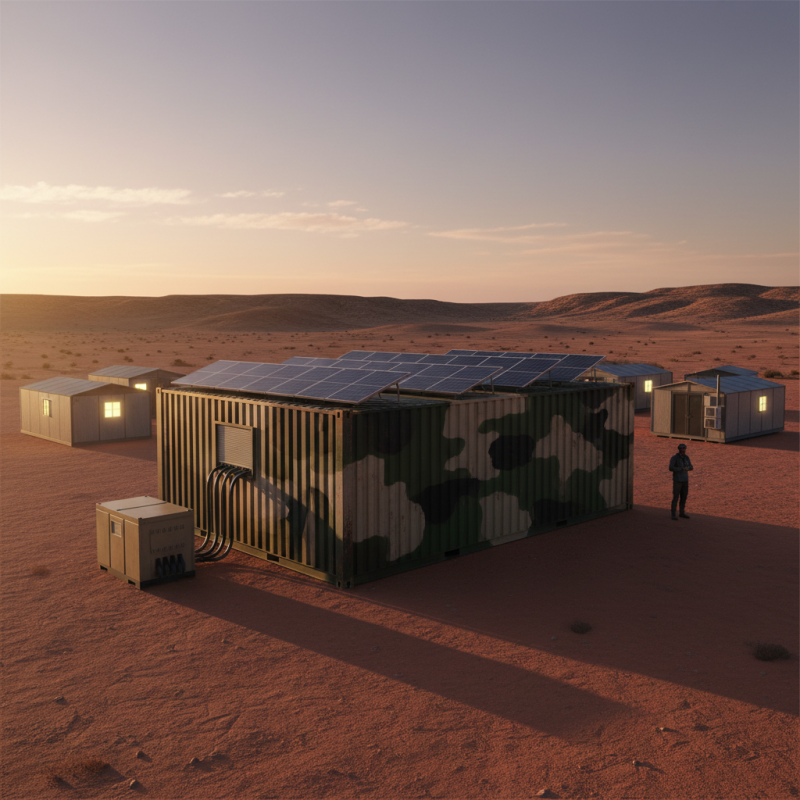
The increasing demand for sustainable energy solutions has led to innovative technologies that can harness renewable resources effectively. One such promising development is the solar container, a compact and versatile system designed to capture and utilize solar energy for various applications. According to the International Renewable Energy Agency (IRENA), solar power is one of the fastest-growing energy sources globally, with installed capacity projected to reach 4,800 GW by 2030. This tremendous growth highlights the urgent need for efficient, portable energy solutions that can meet the requirements of both urban and remote communities.
In 2025, the potential for solar containers will further expand as advancements in photovoltaic technology and energy storage systems emerge. By integrating smart technologies and IoT capabilities, solar containers can provide reliable and sustainable electricity even in areas where traditional grids are unavailable or unreliable. The U.S. Department of Energy reports that the cost of solar energy has decreased by over 70% since 2010, making it a more viable option for diverse energy needs. As more organizations and individuals look to adopt renewable energy solutions, solar containers could play a crucial role in facilitating sustainable growth and enhancing energy resilience worldwide.
Solar containers represent an innovative approach to harnessing renewable energy, combining portability and sustainability. At their core, solar containers are modular units equipped with solar panels, energy storage systems, and often additional functionalities such as energy management systems. These units can operate independently or be connected to larger grids, providing flexible energy solutions suitable for various applications, from remote off-grid locations to disaster relief efforts.
The concept of solar containers emphasizes mobility and versatility, allowing them to be deployed in diverse environments. Their compact design makes them easy to transport and set up, enabling immediate access to renewable energy sources.
Furthermore, solar containers can serve as emergency power supplies during outages or as temporary energy solutions in construction sites, festivals, or events. By integrating storage capabilities, these containers ensure a stable energy supply even when sunlight availability fluctuates, making them a practical solution for sustainable energy needs in various contexts.
As technology advances and more individuals and organizations recognize the benefits of solar containers, their role in promoting green energy initiatives is likely to expand significantly in the coming years.
Solar containers are emerging as a transformative solution for sustainable energy, driven by several key technologies. Central to their functionality is modular photovoltaic (PV) technology, which allows these containers to harness solar energy efficiently. These PV systems can be integrated into the design of shipping containers, making them portable and easy to deploy in various locations. The flexibility of solar panels not only enables the capture of solar energy in diverse environments but also facilitates scalability, allowing for rapid expansion based on energy needs.
Another crucial technology is energy storage systems, particularly advanced lithium-ion batteries. These batteries store excess energy generated during peak sunlight hours, ensuring a reliable power supply during periods of low sunlight or high demand. Innovations in battery management systems optimize performance and longevity, making solar containers a viable option for both remote and urban settings. Additionally, smart grid technology enables real-time monitoring and management of energy flow, enhancing the efficiency of solar containers and integrating them into broader energy networks. As these technologies converge, solar containers stand poised to play a significant role in sustainable energy strategies for 2025 and beyond.
The market for solar containers is poised for significant growth by 2025, driven by the increasing demand for sustainable energy solutions. According to a recent report by the International Energy Agency (IEA), the global solar energy capacity is expected to triple over the next five years, reaching over 1,600 gigawatts. This surge in solar energy adoption is spurring innovations in modular energy solutions, including solar containers, which offer a flexible and efficient approach to harnessing solar power.
Market projections indicate that the solar container sector will grow at a compound annual growth rate (CAGR) of approximately 20% from 2023 to 2025. Factors contributing to this trend include advancements in solar technology, a decline in costs associated with solar panels, and increasing environmental regulations promoting renewable energy adoption. Additionally, a report from Allied Market Research predicts that the market size for solar containers could exceed $1 billion by 2025, highlighting the growing interest from businesses and governments alike in investing in portable and sustainable energy solutions.
As communities seek to minimize their carbon footprints and enhance energy security, solar containers serve as a vital tool. They can be deployed quickly in remote locations, providing a reliable source of energy for emergency response, construction sites, and off-grid residential developments. This versatility not only meets immediate energy needs but also aligns with global sustainability goals, making solar containers an essential element in the transition toward a greener energy landscape by 2025.
This chart showcases the projected market growth of solar containers from 2022 to 2025, indicating the increasing adoption of sustainable energy solutions.
Integrating solar containers into existing energy systems requires a strategic approach that focuses on compatibility, scalability, and user engagement. First, it's crucial to conduct an assessment of current energy demands and identify gaps that solar containers can fill. By evaluating the energy needs of communities or businesses, stakeholders can strategically position solar containers to optimize energy supply, ensuring that these systems are not only functional but also responsive to the specific requirements of users. This assessment will inform the design and placement of solar containers, ensuring they are accessible and effectively utilized.
Next, collaboration among various sectors is vital for successful implementation. Partnerships between local governments, energy providers, and community organizations can facilitate the integration of solar containers into broader energy networks. Additionally, establishing training programs for users on the operation and maintenance of solar container systems can empower communities, promoting self-sufficiency and resilience. By fostering a sense of ownership and understanding within the community, the sustainability of solar solutions is enhanced, leading to more effective energy systems that contribute to long-term environmental goals.
In 2025, solar containers presented innovative solutions across various sectors, showcasing their versatility and efficiency in harnessing renewable energy. One notable application involved a disaster relief initiative where solar containers were deployed in remote regions affected by natural calamities. These containers provided essential power for medical facilities, enabling them to operate vital equipment, charge medical devices, and maintain communication channels. The convenience of portable solar containers not only facilitated immediate relief efforts but also ensured a sustainable energy source for affected communities as they began to rebuild.