Who Are the Top Ball Valve Manufacturers in China?

China’s ball valve market includes large industrial groups, specialist manufacturers, and export-focused suppliers. Their catalogs can look similar, yet details matter. A polished product photo cannot confirm body material, seat design, pressure rating, or test quality. Buyers need to examine those details against the actual service conditions.

Valve specialist Philip L. Skousen’s Valve Handbook offers a useful selection principle. In paraphrase: “Choose the valve for the service, not the sales pitch.” That is not a verified verbatim quotation; it summarizes a practical engineering approach. This article compares leading Chinese manufacturers by product range, manufacturing capability, quality documentation, certifications, and export experience. It also considers application fit, from water systems to demanding process lines. Not every supplier suits every project. A low quote may conceal gaps in traceability or testing, while a prominent name does not guarantee the right configuration. Manufacturer information can change, too. Readers should confirm current specifications, factory records, and project references directly before making a purchase. The aim is a grounded shortlist, not a universal winner. Admittedly, public information rarely reveals every production weakness. That uncertainty deserves attention.
Who Are the Top Ball Valve Manufacturers in China?

How Ball Valves Work and Where They Are Used

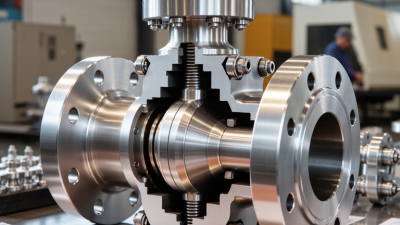
A ball valve controls flow with a drilled sphere inside its body. Turn the handle 90 degrees, and the bore either lines up with the pipe or blocks it. The movement is quick and easy to see. Many designs seal with polymer seats, though seat materials and body metals vary. Match them to the fluid, temperature, and pressure. Simple, but not foolproof. Ball valves usually work best for on-off service; leaving one partly open can wear its seats or cause unwanted flow effects.

You may find them on water lines, compressed-air systems, heating equipment, and industrial process pipes. A compact valve beneath a sink and a large valve in a plant use the same basic motion, but their ratings differ greatly. Check the pressure and temperature limits, connection type, and media compatibility before installation. A valve that fits the pipe may still be the wrong choice. That detail is easy to miss.

Tips: Before maintenance, isolate the line and release trapped pressure. Check for leaks around the stem and connections, and confirm the handle reaches its full open and closed positions. Some valves have design-specific flow requirements, so consult the product documentation rather than assuming every model behaves alike.

How China’s Ball Valve Manufacturing Industry Is Organized

How China’s Ball Valve Manufacturing Industry Is Organized

China’s ball valve industry is a network, not a single production line. It includes foundries and forging shops, component suppliers, machine workshops, assembly plants, and testing laboratories. Some manufacturers handle casting through final inspection; others buy bodies and focus on machining or assembly. UNIDO’s International Yearbook of Industrial Statistics 2024 puts China’s share of global manufacturing value added at roughly 31% in 2022. That scale helps explain the depth of its supplier base, but it does not guarantee equal quality between factories. Details matter: seat material, stem finish, pressure testing, and traceable inspection records.

Regional clusters bring suppliers and skilled labor closer together, which can shorten lead times for common designs. Yet a low quotation may leave unclear who controls casting quality or verifies each finished valve. Buyers should ask for drawings, material certificates, pressure-test procedures, and batch-level records. A paper certificate alone is not proof of consistent production. I would also check how the factory handles rejected parts; this step is easy to overlook.

Tips: Request a sample test report and confirm that its valve size, materials, and pressure rating match your order. Small mismatch, big headache.

What Criteria Define a Leading Ball Valve Manufacturer?

A leading ball valve manufacturer should prove repeatable quality, not just high production capacity. The World Steel Association reported that China produced 1,005.1 million tonnes of crude steel in 2024. That industrial scale can support material availability, but it does not guarantee reliable valve components. Buyers should check material certificates, heat-number traceability, machining records, and documented inspection results. Small details matter: a clearly marked body, a smooth ball surface, and consistent seat contact.

Testing is essential. Ask for pressure-test records aligned with API 598 or the relevant project specification, plus evidence that the valve design suits its pressure, temperature, and service medium. The NACE International IMPACT study estimated global corrosion costs at US$2.5 trillion annually, or 3.4% of global GDP. That figure makes material selection and corrosion controls more than paperwork. Not enough. Review how the manufacturer handles nonconformities, changing suppliers, and field failures. I would also compare test procedures with actual operating conditions; a tidy certificate may not reveal how a valve performs after repeated cycling. Reliable suppliers can explain those limits plainly, and provide traceable records for each production batch.

Which Chinese Ball Valve Manufacturers Are Widely Recognized?

Chinese ball-valve manufacturers are widely recognized when they combine production scale with documented quality control. Buyers often assess makers serving oil and gas, water treatment, power, and chemical plants. Useful evidence includes material certificates, traceable heat numbers, and pressure-test records for each valve batch. A polished catalogue is not enough.

The market is substantial, but broad figures need careful interpretation. Grand View Research valued the global industrial valves market at USD 78.5 billion in 2023 and forecast 4.4% annual growth from 2024 to 2030. This covers many valve types, not ball valves alone. It signals demand, not a ranking of Chinese suppliers. That distinction matters.

Recognition is best judged through repeatable performance. Check whether a factory can show machining controls, seat and stem specifications, and test procedures aligned with relevant standards, such as ISO 5208. Ask for sample inspection reports and confirm that stated pressure and temperature limits match your service conditions. Look closely at the details. A small seal mismatch can cause leakage after installation. Independent audits and clear warranty terms add confidence, though they do not replace technical checks. No shortlist is perfect; verify the exact factory and product series before ordering.

Who Are the Top Ball Valve Manufacturers in China? - Which Chinese Ball Valve Manufacturers Are Widely Recognized?

Evaluation Dimension What Recognized Manufacturers Commonly Demonstrate Evidence to Check Why It Matters
Product range Products for defined applications, such as floating or trunnion-mounted ball valves, with documented size, pressure, material, and end-connection options. Current product catalogues, technical data sheets, and model-specific drawings. A clearly specified range helps buyers match a valve to its operating conditions rather than relying on a general product description.
Design standards Designs may be developed to applicable standards such as API 6D for pipeline valves, API 608 for metal ball valves, or ISO 17292 for metal ball valves. Confirm the applicable standard and edition for the exact valve model and project specification. Standards define technical requirements, but applicability depends on the valve type and intended service.
Pressure and leakage testing Documented inspection and pressure-testing procedures appropriate to the product and applicable specification. Test procedures, inspection and test plans, and traceable test reports for the supplied valves. Test records provide product-specific evidence; a general company statement is not a substitute for a valve’s inspection documents.
Quality management A documented quality management system, with certification claimed only where it is current and within the certified scope. Certificate issuer, validity dates, certified site, and scope of certification. Checking the scope helps establish whether the certificate covers the relevant manufacturing activity and location.
Materials and traceability Material options supported by identification and traceability procedures where required by the order or application. Material certificates, heat or batch identification, and inspection records specified for the order. Traceability supports verification that supplied pressure-retaining components match the purchase requirements.
Actuator compatibility Actuated configurations with documented mounting and interface details; ISO 5211 specifies attachment dimensions for part-turn actuators in its scope. Mounting dimensions, torque requirements, actuator data, and the applicable interface specification. Compatibility checks reduce installation issues and help ensure the actuator is suitable for the valve’s operating requirements.
Export and project experience Experience relevant to the destination market, industry, and project requirements, supported by verifiable records. References that can be checked, shipment documentation where available, and evidence of compliance with the project specification. Past experience can inform supplier assessment, but it should not replace technical review of the proposed valve.
Supplier comparison Assessment based on verified product documentation, manufacturing scope, quality controls, delivery capability, and after-sales support—not on an unsupported ranking. Request the same datasheet, compliance documents, inspection requirements, and commercial terms from each candidate. A consistent comparison makes it easier to identify suitable suppliers without treating recognition as proof of product fitness.

How to Compare Manufacturers for Different Applications

Comparing Chinese ball valve manufacturers starts with the service conditions, not the catalogue. For water lines, check body material, coating, pressure rating, and seat wear under frequent cycling. For steam or hot oil, confirm the temperature limits of both the body and seals. Gas service needs documented leakage testing and suitable fire-safe design. Ask for pressure-test records, material certificates, and traceability for the exact production batch. Small details matter.

The IEA’s Gas Market Report, Q1 2024, forecast global gas demand growth of about 2.5% in 2024, highlighting the need to match valve design to demanding service conditions.

Fortune Business Insights’ Industrial Valves Market report valued the global market at USD 79.28 billion in 2023 and projected USD 109.84 billion by 2032.

Market growth alone does not prove factory capability. Compare inspection plans, sample test reports, delivery consistency, and spare-part support. Request references from installations with similar media, pressure, and operating cycles. A polished factory audit can still miss production variation.

That shortcut fails. Ask how nonconforming parts are recorded and corrected, then verify the answer against dated quality records.