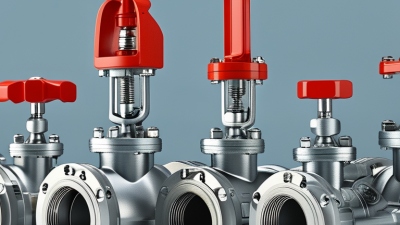
How to Choose a Ball Valve for Flow Control?
Choosing a ball valve for flow control is not as simple as matching pipe size and pressure rating. The wrong trim can cause unstable flow, excessive pressure loss, or poor adjustment at low openings. A quarter-turn valve may look straightforward on a specification sheet. In operation, its response depends on valve characteristics, actuator sizing, fluid properties, and the system curve.
The “Control Valve Ball Valve” decision deserves particular care when the process needs repeatable throttling, not merely reliable shutoff. Grand View Research’s Industrial Valves Market report estimated the global market at USD 78.3 billion in 2023, with projected growth through 2030. That figure covers many valve types, not ball valves alone. It signals a large, evolving sector, but it cannot decide which valve suits a specific line. Check the datasheet against operating flow, differential pressure, temperature, material compatibility, and required rangeability. Standards such as IEC 60534 also provide a framework for evaluating control-valve performance.
Process-control engineer and author Greg McMillan’s published guidance emphasizes the control valve’s role as the final element in a loop. Put plainly: a controller’s signal matters only if the valve produces the required process response. This is a paraphrase, not a verbatim quotation. A practical comparison should include characterized-ball designs, seat materials, actuator behavior, and expected operating position. Look closely at the low-flow case. A valve sized only for peak demand may spend most of its life barely open, where control can become difficult. No catalog shortcut replaces application data. And specifications can still be incomplete. A defensible selection explains its assumptions, identifies uncertainty, and leaves room to review actual operating results.
Define the Flow Control Requirements
Define the duty before comparing ball valve sizes. Record minimum, normal, and maximum flow, plus inlet and outlet pressures at each condition. Include fluid temperature, viscosity, density, and any solids or gas. A clean-water test is not a reliable substitute for hot, viscous process fluid. Small details matter.
Specify how the valve will operate. Is it trimming flow continuously, or switching between open and closed? For throttling, document the required flow range, allowable pressure drop, response time, and control signal.
The U.S. Department of Energy’s Improving Pumping System Performance sourcebook reports that pumping systems use nearly 20% of the world’s electrical energy. That figure is not a valve-sizing rule, but it shows why pressure losses deserve attention. I still find this easy to overlook.
Ask an engineer to check the operating points against the valve’s flow coefficient, or Cv, and the actuator’s available torque. A standard ball valve may provide poor control at low openings; a characterized ball design can offer a more suitable response. Also check for cavitation, flashing, noise, and erosion when pressure drops are high. Give the supplier actual process data, not just pipe diameter. Guessing here is tempting, and sometimes unavoidable, but label estimates clearly and verify them before purchase.
Choose the Ball Valve Type and Port Design
Choose the Ball Valve Type and Port Design
Start with the flow path. A two-way ball valve opens or blocks flow in a straight line. A three-way design can divert or mix flow, but its port arrangement must match the piping layout. Check the flow diagram before ordering; a small mismatch can create awkward dead legs or unwanted flow paths.
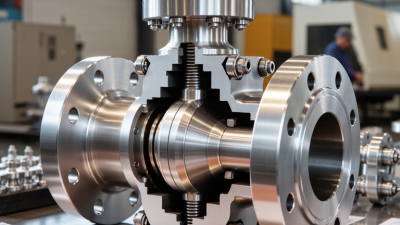
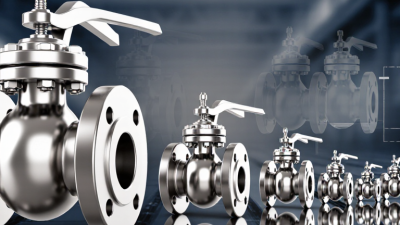
Port size affects capacity and pressure loss. A full-port valve has an opening close to the pipe’s inside diameter, which helps reduce restriction. A reduced-port valve is often smaller and lighter, but it may create a noticeable pressure drop. For frequent adjustment, consider a characterized or V-port ball valve. Its shaped opening can provide steadier control than a standard round port. Standard ball valves can be difficult to regulate at small openings, and high-velocity flow may wear the seats. The right choice still depends on fluid properties, operating pressure, temperature, and required flow range.
Tips:
Compare the valve’s flow coefficient with your expected flow and pressure drop. Confirm whether the valve is intended for throttling or shutoff. A full port is not automatically better; sometimes I would pause and check whether lower restriction is worth the added size and cost. Don’t guess at the actuator, either—allow for pressure and operating torque.
Size the Valve for Flow Rate and Pressure
Sizing a ball valve starts with the flow rate and the pressure drop available across it. For a nonflashing liquid, a useful first estimate is Q = Cv × √(ΔP/SG), where Q is in US gallons per minute, ΔP is in psi, and SG is specific gravity. ANSI/ISA-75.01.01-2012 provides standardized control-valve sizing equations and accounts for factors that this simple estimate omits. Check the units carefully.
For example, 100 gpm of water with a 25 psi pressure drop gives an estimated Cv of 20. That is a starting point, not a final selection. The valve’s published flow coefficient depends on its size and opening; a full-port ball valve may pass far more flow than the process needs. Too large can make low-flow control touchy. It happens.
Use the normal and maximum flow rates, plus upstream and downstream pressures, when checking the selection. ISA’s sizing method also addresses pressure recovery and choked flow, which matter when pressure drops are high or the fluid can flash. For gases, use gas-specific sizing equations rather than the liquid estimate. Confirm the valve’s rated capacity at the intended opening, and leave room for real operating variation. A pressure gauge reading during commissioning can reveal what the calculation missed.
How to Choose a Ball Valve for Flow Control
Size the valve for the required flow rate and pressure drop. The chart shows the calculated flow coefficient (Cv) needed to pass water at a fixed pressure drop of 5 psi.
For water, Cv = Q × √(SG / ΔP), where Q is flow in gallons per minute, SG is specific gravity, and ΔP is pressure drop in psi. These values assume SG = 1. Select a valve with a rated Cv that meets the calculated requirement, then check its operating range and controllability.
Select Materials, Seals, and Actuation
Choosing a ball valve for flow control starts with the fluid, not the handle. Check its chemistry, temperature, pressure, and whether it carries grit. Stainless steel suits many clean or corrosive services, while carbon steel can work with compatible fluids. For abrasive slurries, verify the seat and ball materials. Particles can score soft surfaces and cause leakage. A valve that fits the pipe may still be the wrong choice.
Tips: Match the seal material to the fluid and temperature range. PTFE seats resist many chemicals, but high heat or rapid cycling can affect performance. Elastomers may seal tightly, yet compatibility depends on the exact fluid. Check documented limits and pressure ratings at operating temperature. Small details matter.
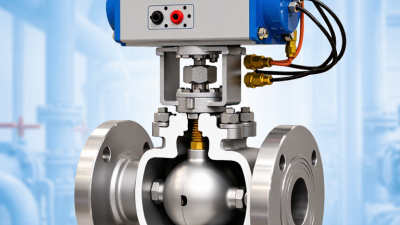
Choose actuation based on access, operating frequency, and control needs. A manual lever is simple for occasional isolation, but it does not provide precise throttling. For frequent operation or remote locations, pneumatic or electric actuators may help. Size them for breakaway torque, pressure, and required fail position. Ball valves generally suit on/off service best. If partial opening is necessary, confirm the valve is designed for it and assess erosion risk. For unusual conditions, testing a sample under real operating conditions can reveal issues a catalog may miss.
Check Compatibility, Installation, and Maintenance
A ball valve can look simple, but its materials must suit the actual fluid and operating conditions. Check the body, ball, and seat materials against the fluid, temperature, and pressure range. A seal that works with water may swell or harden in another service. Small details matter. Also confirm whether the valve is intended for shutoff or frequent flow adjustment; partly open ball valves can wear unevenly, and may not provide precise control.
Before installation, compare the valve’s pressure rating and connection type with the pipe system. Follow the maker’s instructions for flow direction, since some designs are directional even when many standard valves are not. Keep the pipe aligned and supported. Forcing a misaligned joint can stress the body or cause leaks later. Leave enough room to turn the handle and inspect the connection. A tight space can make routine checks surprisingly difficult.
Maintenance should follow the service conditions, not just a calendar. Look for leaks, corrosion, stiff movement, and residue around the stem. Never remove a valve under pressure; isolate and depressurize the line using site procedures. That is not enough. Record inspection dates and any changes in operating conditions, because recurring problems may point to a compatibility issue. I would not assume a valve is trouble-free just because it turns smoothly today.